Природные объекты в Литве
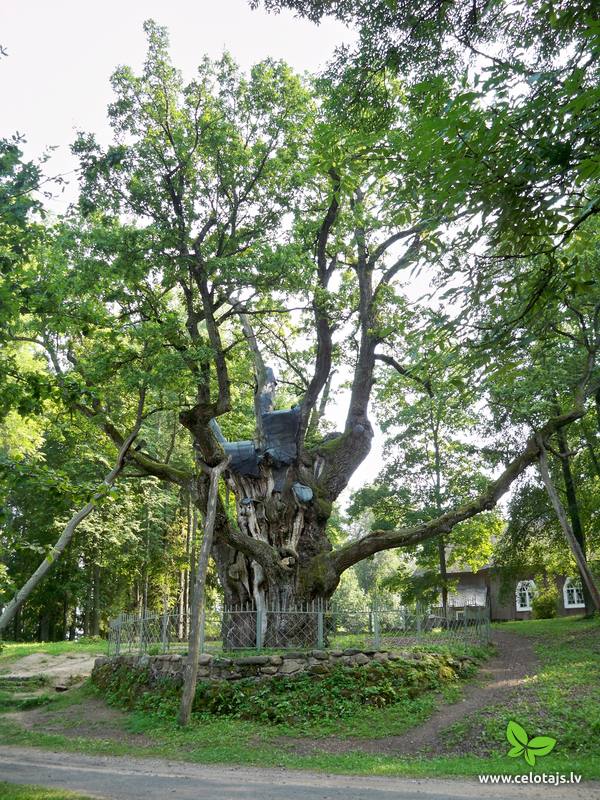
Что особенного в природе в Литве?
Куршская коса - песчаный, пустынный участок земли между Балтийским морем и Куршским заливом, холмистые ландшафты Жемайтийского региона, голубые зеркальные лабиринты озер в Аукштайтийском регионе, сосновые леса в Дзукийском регионе, Изгибы долины реки Немана и многочисленные региональные природные парки, созданные не только для защиты природы, но и для отдыха и интереса людей - это природные ценности, привлекающие гостей Литвы.
Действуй ответственно - следуй Зеленому совету!
| Обзор | Подробности |
|---|---|
 |
Литва
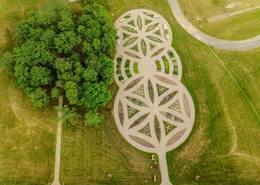
МУЗЕЙ БАЛТИЙСКИХ ТРАВВ 2014 г. при посредничестве Ботанического сада Шяуляйского университета был основан Музей генофонда балтийских растений. Посетителей ждет объект площадью 0,34 га, длиной 85 м и шириной 40 м. 
 5-9 5-9


Услуги
5-9 Месяцы активного сезонаСервисы - другие
Принимаются индивидуальные посетители
Принимаются туристические группы
Место с конкретным временем работы, которое следует уточнить заранее
Посещение по предварительной заявке |
 |
Литва
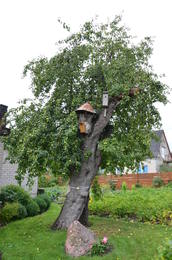
САМАЯ СТАРАЯ ЛИТОВСКАЯ ЯБЛОНЯСамая старая яблоня в Литве, плодовое дерево, представляющее собой ботанический объект природного наследия. Вид дерева: яблоня лесная. Это единственная яблоня в Литве, которая находится под охраной государства.
|
 |
Литва
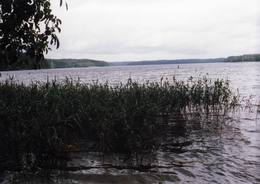
Tauragns (Tauragnas)Ap 9,5 km garais un līdz kilometru platais ezers atrodas subglaciālā – t.i. ledāja veidotā vagā, tādēļ tas ir ne tikai Lietuvas, bet arī otrs Baltijas dziļākais ezers (pēc dažādiem avotiem 60,5 m vai 62,5 m). Tauragna dienvidu krastā paceļas Taurapils pilskalns (Taurapilio piliakalnis). Saglabājušies nostāsti gan par pagānu priesteri, kas te dzīvojis, gan nogrimušu baznīcu, gan laikiem, kad pilskalnu no visām pusēm apņēmis ūdens. No pilskalna plakuma paveras visaptverošs skats uz Tauragnu.  117 117
Услуги
117km - Расстояние от столицы |
.JPG?size=260) |
Литва
The Trakai Historical National ParkThis park was established mostly to protect a wide range of cultural and historical objects such as the Trakai lake castle, the ancient Trakai cloister, the Užutrakai castle, the Bražole castle hill, the heritage of ancient local tribes, etc.
Услуги
28km - Расстояние от столицыСервисы - отдых
Прогулка на кораблике/лодкеTake a one-day boat ride on the Totoriškių, Galvė, Skaistis and Luka lakes. 
ВеломаршрутBike the route Trakai-Totoriškės-Raudonė I-Kariotiškės-Rubežius-Trakai (25 km). 
Природная тропаHike the Varnikai information trail (3.5 km). 
Наблюдение за природойViews from the northern part of Lake Galvė. There’s a visitor centre in Trakai. For more information: www.seniejitrakai.lt (available in English). |
 |
Литва
Regionalpark GrazutėsGegründet für den Schutz der Landschaften und der Seen der Aukštaitija-Anhöhe, Arten und Biotope. 139
Услуги
139km - Расстояние от столицы |
 |
Литва
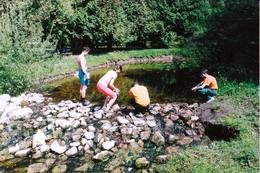
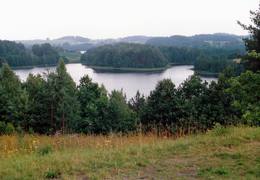
The Birzai Regional ParkThis is one of the most outstanding areas in the entire Baltic States with active underground waterways which still, to this very day, dissolve local gypsum rock. Parts of the area collapse regularly, and there are legends about all of this. Underwater rivers, streams, the so-called Karvės (Cow) cave, etc., can be seen in the area.
УслугиСервисы - отдых
Природная тропаHike along the Smardones šaltiniai stream, with a walking bridge across Lake Širvėnos (500 m). Hike other trails around the little lakes in the area. There’s a visitor centre in Biržai. For more information: www.birzuparkas.lt (available in English). |
 |
Литва
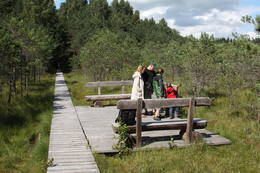
Hügel LadakalnisVermutlich ein heidnischer Hügel. Schöner Blick auf die 6 Seenlandschaften. Ein Symbol vom Nationalpark. 122
Услуги
122km - Расстояние от столицы |
 |
Литва
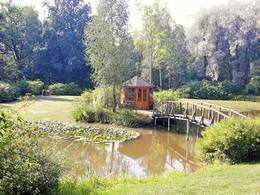
Varniku izzinas taka (Varnikų pazintis takas)Varniku mežā (Varnikų miškas) ir izveidota patiesi interesanta dabas izziņas taka, kas iet cauri dažādiem biotopiem – skujkoku un ozolu mežiem, purvainu mežu un sūnu purvu ar akačiem un nelieliem purva ezeriņiem, kur uzceltas divas skatu platformas. Mitrajās vietās un purvā ir izveidotas koka laipas. Šī ir populāra pastaigu vieta. Taka ir lokveida un marķēta. Tās apskatei būs nepieciešama ~ pusotra stunda. |
 |
Литва
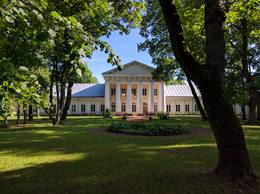
ЖЕМАЙТИЙСКИЙ БОТАНИЧЕСКИЙ ПАРК ИМ. ИЗИДОРЮСА НАВИДАНСКАСАЭто один из первых ботанических парков в Литве. Парк заложил в 1928 г. Изидорас Навиданскас, которому тогда было всего 16 лет. В 1965 г. парк получил название Жемайтийского ботанического парка, а Изидорас вместе со своим сыном Раполасом, который в настоящее время является владельцем парка, продолжали расширять его.
1-12
Услуги
1-12 Месяцы активного сезонаСервисы - другие
Принимаются индивидуальные посетители
Принимаются туристические группы
Место с конкретным временем работы, которое следует уточнить заранее |
 |
Литва
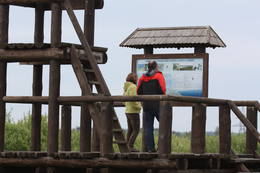
ПАРК УСАДЬБЫ САЛОСУсадьба Салос и ее парк расположены на острове озера Двирагис, чьи контуры с высоты птичьего полета напоминают силуэт Литвы на географической карте. В восточной части усадьбы находится парк смешанной планировки. Это один из старейших парков в Литве. Еще во времена хозяйствования Радзивиллов здесь был лесопарк с запретом на вырубку деревьев. В парке преобладали лиственные деревья местных пород: клены, липы, ясени, тополя сереющие, которым сейчас сравнялось двести лет. По берегу озера проходила тропа, соединявшая аллею с парковой дорожкой. Сегодня здесь сохранились зеленые насаждения, фрагменты аллей. 1-12
Услуги
1-12 Месяцы активного сезонаСервисы - другие
Принимаются туристические группы
Принимаются индивидуальные посетители
Место с конкретным временем работы, которое следует уточнить заранее
Посещение по предварительной заявке |
 |
Литва
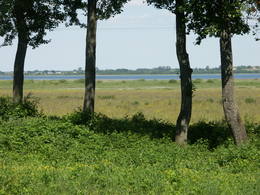
Putnu verosanas tornisReškutenu (Reškutėnai) ciema apkārtnē ir atjaunots neliels mitrājs, kura malā uzcelts putnu vērošanas tornis. Ja paveicas, pavasaros te var dzirdēt vai redzēt tādas retas un aizsargājamas putnu sugas kā ķikutu Gallinago media, ormanīti Porzana porzana, melnkakla dūkuri Podiceps nigricollis, griezi Crex crex u.c. Ciema ainava īpaši pievilcīga ir pieneņu un ābeļu ziedēšanas laikā. No putnu vērošanas torņa var redzēt vietas, kur akmens laikmetā dzīvojuši cilvēki. Blakus esošajā purvainajā pļavā bijis ezera līcis, kur tika būvēti ciemati līdzīgi kā Āraišu ezerpils gadījumā. 108
Услуги
108km - Расстояние от столицы |
 |
Литва
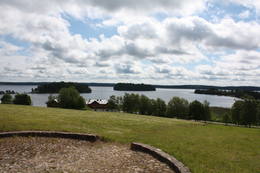
The Meteliai Regional ParkThere are three large lakes at the centre of this park – Lake Dusia, Lake Metelys, and Lake Obelija. Lake Dusia has very clear and transparent water, and its southern and south-eastern beaches are popular among swimmers. The lakes and their nearby wetlands are important during the migration season of birds.
УслугиСервисы - отдых
ВеломаршрутBike around Lake Dusia (25 km) or Lake Metelys (27 km).
Природная тропаHike the information trail in the Bijotų and Širvinto forests (4 km).
Наблюдение за природойWatch birds along the shores of the lake during migrating season. Views from the Prelomčiškė castle hill and from the side of the Seirijai-Meteliai road. For more information: www.meteliuparkas.lt (available in English). |
 |
Литва
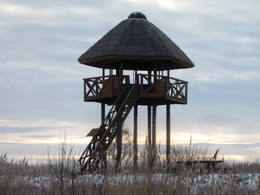
The Zemaitija National ParkThis park is located in the northern part of the Žemaitija Highlands, and much of it is taken up by Lake Plateliai. The park was established to protect lakes, rivers, wetlands and forest ecosystems, as well as the local cultural environment.
УслугиСервисы - отдых
Прогулка на кораблике/лодкеTake a boat to the Pilies island in Lake Plateliai.
ВеломаршрутBike around the lake (~25 km).
Природная тропаHike the Šierė nature trail (4.1 km), the Plokštinė information trail (3.1 km), which runs past a former Soviet military base, or the Mikytai information trail (1 km).
Наблюдение за природойLook for birds from a tower near Lake Maudutis in the village of Virkšai. A viewing location from the village of Plateliai offering a look at the lake. There’s a visitor centre in Plateliai, as well. For more information: www.zemaitijosnp.lt (available in English). |
 |
Литва
Rusnė IslandA island in the delta of Nemuna. Etnographical museum, Uostadvaris lighthouse, bird watching tower. 304
Услуги
304km - Расстояние от столицы |