
| No | Name | Description |
|---|---|---|
 |
The bistro is in the centre of Jelgava and offers fresh canapés, cakes, pierogi, cookies and other baked goods. It works with local producers of ingredients. Latvian cuisine: Bacon pierogi, potato pancakes, wheat-potato porridge with bacon sauce, whipped fool with milk. Grey peas with bacon during the season of the Winter Solstice. Special foods: The “Duke’s Sail” – oven-roasted pork with caramelised sauerkraut, roast vegetables, lingonberry sauce and horseradish. |
|
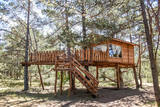 |
Camping, sauna by the sea, picnic places, rest in a romantic wooden house and accommodation in tents, canopy rental, rental of places for outdoor events. |
|
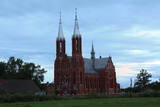 |
Церковь строилась с 1909 по 1913 год. Качество красного кирпича, используемого в строительстве храма, было плохим, поэтому с 1939 года заменено около 60 000 кирпичей! Храм считается одним из самых внушительных сакральных строений Латвии. В строительстве церкви применены декоративные элементы неоготического стиля, а в интерьере - алтарь, кафедра, хоры органа, молитвенные скамейкии изготовленные в наши дни исповедальни созданы в готических формах. Орган строился в 1931 году. Храм пострадал во время Первой мировой войны и был восстановлен в 1921 году. Осмотр церкви рекомендуется проводить в сопровождении гида. |
|
 |
Drinks are made from fruits and berries grown in Kurzeme region and hand-picked. 100% handmade. Our Story Apples Ciders Visitors Where to Buy |
|
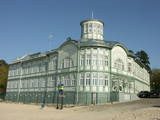 |
Jurmala town (the second largest in Latvia) was founded in 1959, by combining Kemeri and Sloka towns in the Riga city Jurmala district. It stretches 32 km along the coastal line of Gulf of Riga. Jurmala resort once was one of the most important objects of this type in the Northern Europe. This was facilitated by the development of local and interstate transport and traffic (coaches, steamers, train). The first guests was accommodated in Dubulti, where in 1834 the first hotel was built, but in 1847 - The first wellness centre. In the 19th the first medical institution launched. Starting from 1834 the rapid construction of summer cottages began. Development of the resort was ended by the World War I. After the war the number of resort vacationers boomed from 12 thousand (in 1920) to 32 thousand (in 1935). Kemeri resort developed along with Jurmala, which received a massive of vacationers' amount during the Soviet period. |
|
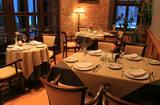 |
Four-star hotel and restaurant of Vecgulbenes manor is located in a beautiful historic place, in a renovated horse arena building that was the largest closed arena in the Baltics. |
|
 |
This is a traditional crafts centre that maintains ceramicist traditions, organises annual creative camps for children, offers exhibitions of ceramics and organises educational programmes about traditional festivals. |
|
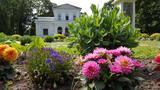 |
The Švekšnos Estate and its park are among the most beautiful venues of this type in Žemaitija. Alongside the estate is an impressive park, with two segments that are linked by a wide parade staircase that is decorated with vases and offers a lovely view of the lower terrace. On an island I the central pond of the park is a statue of the goddess Diana. A colourful sundial, a vase on a pedestal, a sculpture of St Mary, and a sculpture called "Angel of Freedom" are all found in the park. Other elements, including viewing areas, pathways and gates have also been restored. |
|
 |
How did people live 1,000 years ago? What clothes did they wear? What tools and appliances were used? Answers to these and many other questions will be found at Kiruvere Viking Festival, held annually in July with re-enactors from Estonia, Latvia, Lithuania and Finland. |
|
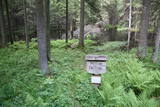 |
Ja apskatīta kodolraķešu bāze, tad var iziet 3,2 km garo Ploštines izziņas taku, kas sākas turpat netālu. Taka ved cauri dažādiem mežu tipiem, iepazīstinot ar sikspārņu būrīšiem (cilvēka radītas sikspārņu dzīves vietas), apkaimes augiem un putniem, kā arī aizsargājamu dabas pieminekli – Pileļu avotu (Pilelio šaltinis). |
|
 |
This company uses natural juices and other raw materials to produce blackberry, black currant, sea buckthorn and spinach glazes that are used to decorate handmade gingerbread. You can listen to stories, take part in thematic activities, bake your own gingerbread, and buy dough and finished cookies. |
|
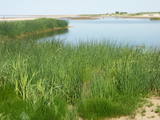 |
This area is full of coastline meadows, lagoons, muddy little lakes and sandy shallows, all full of reeds. This area of the eastern shore of the Bay of Rīga is found between Ainaži and Kuiviži. The Randa meadows are an enormously important location for water birds and rare plants – some 500 in all. A new bird-watching tower and a nature trail have been established for those who wish to study the meadows.
|
|
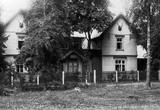 |
The former name of the house was “Forstei” (Forester’s House). It was built using logs of the old Bīriņi Castle. The first owner of the building was Alexander Alexei von Pistohlkors, the baron of Bīriņi Manor. It used to be a house of the manor’s chief forester Pauls Moltrehts. The building served as the chief forester’s work place and residence, as well as the Manor’s hunting base. The building was rebuilt several times. It obtained its current appearance and also the symbolic deer antlers in 1891. During the times of the Independent State of Latvia the house obtained a Latvian name – “Meža māja” or “Forest House”. Ownership of the house has repeatedly changed. In the 1930s, the house became a recreation place for cultural professionals and artists. In 1937, the composer Alfrēds Kalniņš spent the summer in the house working on an interpretation of the score for the second staging of the first Latvian opera “Baņuta”. During the post-war period – from 1945 to 1956 – the building housed Saulkrasti Village Council, and during the times of Saulkrasti District it was the location of the People’s Education Department. Later the children’s sanatorium “Ugunskurs” was transferred from Jūrmala to this building and was renamed “Saulkrasti Children’s sanatorium”. Now the building is privately owned. |
|
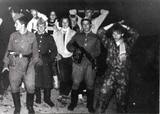 |
The Soviet Border Guard arrived at Lapmežciems (its border with Ragaciems) in the mid-1960s and left in 1991. Some 50 military personnel were stationed here. The military personnel and local residents organised various events and celebrations. The only thing that worried locals was a radar which was said to cause various problems. The zenith missiles were dismantled and taken away in 1991. An apartment building is still on what was then the military base. |
|
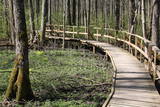 |
Uz pāļiem veidotā koku laipu taka līkumo cauri Vēršupītes dumbrājiem (pārmitri platlapju meži), tādēļ visiespaidīgākie skati šeit ir vērojami tieši pavasara palos vai citos gadalaikos pēc lielām lietavām, kad mazā upīte iziet no krastiem un appludina dumbrājus lielākā platībā. Par teritorijas sezonālu applūšanu liecina arī daudzo alkšņu resnie sakņu kakli, kas nevilšus atgādina mangrovju audzes. Mitrie meži ir viens no sugu skaita ziņā daudzveidīgākajiem Latvijas biotopiem.
|
|
 |
This park surrounds the mansion of the Biržuvenai Estate, and it is based on the terrain of the Virvite River and an old river that provides water for the park. The central part of the park is regularly designed, while the rest has elements of landscape. Opposite the estate is a glass sculpture, and on its western side is a wooden pergola. Local trees dominate in the park, but there are also trees from other countries. Of importance is a group of oak trees on the banks of the river, as is an alley of linden trees that leads to the pond in the direction of the estate. |
|
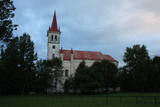 |
Meklējama Nīcgalē, starp Rīgas – Daugavpils šoseju (A 6) un Daugavas krastu. Baznīcu cēla (neogotikas stils) pēc muižnieka Henriha Plātera - Zīberga iniciatīvas 1862. - 1863. g., veltot to Jaunavas Marijas dzimšanai. Kā jau daudzas citas baznīcas, arī šī ēka un tās interjera priekšmeti cieta 1. pasaules kara laika notikumos. To atjaunoja 1922. gadā. Baznīcas iekārta ir saglabājusies no 19. gs. 60. gadiem, bet, centrālā altāra augšdaļu pārbūvēja 1957. gadā. Dažus gadus vēlāk - 1961. g. uzstādīja ērģeles. |
|
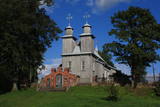 |
Одна из самых красивых деревянных церквей Южной Латгалии. Построенный из бревен и обшитый досками храм строился в период с 1750 по 1751 гг. Сохранился алтарь работы XVIII века (резьба по дереву, барокко) и проспект органа, а также более 30 предметов, имеющих художественную ценность. Во дворе церкви в XIX веке построена колокольня. В направлении озера Рушонс построен деревянный пасторат. |
|
 |
Lauku sēta atrodas Džūkijas nacionālajā parkā. Saimniecībā iespējams pašiem ar saimnieces nelielu palīdzību pagatavot tradicionālos dzūku ēdienus veco laiku maizes krāsnī. Kulinārais mantojums un izglītības programmas. Piedāvā arī nakšņošanu. |
|
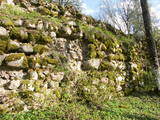 |
The Volkenberga Castle was built in the 13th century by the Livonian Order, and it was practically impregnable, as it was on top of Mākoņkalns hill. These were among the first fortifications in Latgale, and only fragments of the castle remain today. Architect Pēteris Blūms has said that this was a special type of fortification. Legends say that after the lord and lady of the castle died, the property was divided up among their three daughters – Roze, Lūcija and Marija. Each sister built a new castle on the land which she inherited – Roze built Rēzekne, Lūcija built Ludza, and Marija built Viļaka. A memorial plaque at the foot of Mākoņkalns hill recalls the visit which pre-war Latvian President Kārlis Ulmanis paid to Latgale in 1938. |
|


