
| Nr | Name | Beschreibung |
|---|---|---|
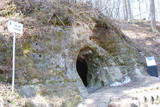 |
Die Ruinen der Ordenburg Helme befinden sich an der Landstrasse Pärnu-Valga auf steilen Hügeln. Die Burg gehörte früher den Deutschen, den Russen, den Litauen und den Schweden, die es 1658 zerstört haben. Unten im Tal gibt es die Artztquelle, deren Wasser 7 Krankheiten heilen soll. Nördlich von der Burg befinden sich die Höhlen Helme, die auch zur Hölle genannt werden. Sehenswert sind zwei Säle. |
|
 |
Saimniecības drava atrodas netālu no Isnaudas pagasta Bobišiem, dabiskā vietā, kur dabiskā vidē nav lauksaimniecībā izmantojamo zemju un citu objektu. Bišu iegūtā produkcija tiek pārstrādāta Zilupē, Sila ielā 4, kur saimnieki uzņem ekskursijas un var iegādāties saražotos labumus. Saimniecība ir bioloģiski sertificēta. Iegūst liepu un dažādziedu medu. |
|
 |
15.janvāra naktī Kalpaka bataljons izcīnīja pirmo kauju pie Lielauces, atvairot sarkano uzbrukumu. Tā bija pirmā nozīmīgā Kalpaka bataljona kauja, kad uzvara karavīriem deva īpaši spēcīgu morālu stimulu. 1934. gada 19. augustā pie Lielauces luterāņu baznīcas atklāja pelēkā granītā veidoto pieminekli Oskara Kalpaka bataljona pirmās kaujas vietā. Piemiņas zīme veidota pēc arhitekta P. Dreimaņa meta. Lielauces kauja notika 1919. gada naktī no 15. uz 16. janvāri starp kalpakiešu Cēsu un Virsnieku rotu no vienas puses un 2. strēlnieku pulka karavīriem. 50. gadu sākumā piemineklis tika iznīcināts, bet atjaunots 1991. gadā |
|
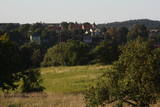 |
The hill is the highest point on the shores of the little Slocene River valley, and it is located in Tukums, at the side of Jelgavas Street. It opens up a broad view of the Slocene River valley and the town of Tukums with its historical centre on the opposite side of the valley. The view is particularly interesting in the evening, when the town is lit up. There is a monument to the liberators of Tukums.
|
|
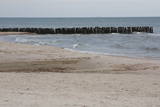 |
Die Meeresenge von Irbe ist sehr wichtig während der Vogelmigration. Von den geschützten Vogelarten begegnet man hier am meisten der Samtente, der Trauerente, der Eisente, der Zwergmöwe, dem Sterntaucher und dem Prachttaucher, sowie auch der Teiste. Das Gebiet befindet sich gegenüber der Regionen Dundaga und Ventspils. Die Fläche beträgt 172 412 ha.
|
|
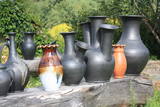 |
Der originelle Töpfer lädt zum Besuch ein, er bietet eine Führung an, zeigt seinen Arbeitsprozess, lässt die Besucher am Entstehungsprozess teilhaben und lädt auch Interessenten ein, beim Öffnen des Brennofens dabei zu sein. Man kann hier auch Töpferarbeiten erwerben. |
|
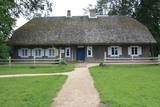 |
“Kalna Kaibēni” is on Kaibēni Hill (226 m above sea level) and 7 km to the West of Ineši. Nominated as Latvia’s oldest memorial museum (1929), this is a place with buildings from the 18th and 19th century. Inside you will see exhibits which speak to the lives and contributions of the schoolteachers and authors Reinis (1839-1920) and Matīss (1848-1926) Kaudzīte. The authentic farm includes a garden which the two brothers planted themselves, and the wooden sculptures which were produced by Krišjānis Kugra present characters from the brothers’ famous novel “Age of the Surveyors”. |
|
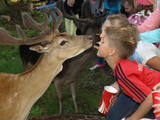 |
Some 200 fallow deer live in large paddocks at the park, and the largest deer sorting facility in the Baltic States is right next door. You can look at the animals from up close. The owner organises educational camps for children and offers consultations on the breeding of animals. |
|
 |
Liepājas novada zaļā produkta, kultūrvēsturiskā mantojuma, seno lauku tradīciju saglabāšana un popularizēšana pilsētvidē. |
|
 2 days
|
This section of the seacoast of Vidzeme is of outstanding scenic beauty with a lot of rocky capes and boulders in the sea alternating with small, sandy coves where the small streams and rivulets, which dry out in summer, flow into. Occasionally, the beach is completely covered with the gray backs of stones. In Zvejniekciems you need to make a detour around the estuary of the Aģe River and the Skulte port. In some places, small patches of reeds appear, while near Tūja you will see the first sandstone outcrops. Some part of the route can be covered via the beach or via a trail meandering through the dune forest with old pines. At the end of the route, you can see the unique lamprey fishing method - Svētupes nēģu tacis. |
|
 |
The farm offers a look at angora rabbits, which are very uncommon in Latvia. The owner offers tours, stories, rabbit wool, wool products such as mittens and socks, breeding rabbits and consultations. Children will love the animals and can feed them in the presence of the owner. |
|
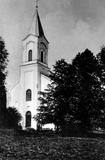 |
The first building of the church was built in 1641. The fourth building of the church was only built in 1856 – during the times of Pastor Johann Wilhelm Knierim. Its altar painting – The Crucified Christ (Golgotha) was painted in 1856 by Jozeps Millers, who was influenced by the altar piece in Munich Louis Church created by his teacher Peter Cornelius. An epitaph of Baroness Auguste Amalija von Pistohlkros, the sister of the owner of Bīriņi Manor and the patroness of the church, was immured in the memorial wall. Construction of the tower was completed on 11 June 1856, as evidenced by a memorial plaque on the wall of the church with an inscription “Erbaut von August Pistolkors 1856”. The church was consecrated in 1864. And a year later an organ by Martin Company with 8 registers, which was extended to 14 registers in 1903, was installed in the church. Unfortunately, the organ was destroyed in WW2. Saulkrasti (Pēterupe) Evangelical Lutheran Church survived both World War 2 and the Soviet period. The Soviet era was one of the most difficult times for the church, because many churches in the area were destroyed, pastors were discharged and the congregation fell apart. The Pēterupe congregation remained. As an architectural monument the church was lucky enough to undergo roof repairs of the tower even during Soviet times. Funds were granted by the Chairlady of the Executive Committee Ņina Manzūrova. |
|
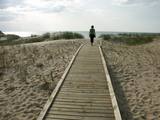 |
The trail tells about the protected nature area which is found in Riga city and has been established to protect the seashore habitats (forests, meadows, reeds, dunes) and the birds, populating the daugavgrīva meadows. There is a bird watching tower with facilities for people with special needs.
|
|
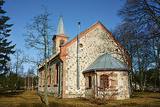 |
Kolka Evangelical Lutheran Church. A story has survived of one Danish trader saved in a shipwreck at Kolkasrags who in gratitude built a church in Kolka. The church had changed its location for three times in Kolka. The foundation of the church visible nowadays and built of boulders was laid by Karl Ludwig Ferdinand von der Osten-Zaken, the former owner of the Dundaga estate. It was built instead of the wooden church (or close to it) which was heavily damaged during the Crimean War. The first construction works were started in 1885 by the construction foreman Otto Sievert (Architect: T. Zeiler). In the Soviet time, the church was vandalized and it was used as a warehouse. It is worth to see the modern- style altarpiece |
|
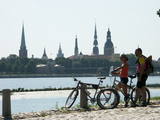 |
The Capital of Latvia. The Old Town of Riga (included in UNESCO Cultural Heritage list) - an excellent medieval building monument. The pearl of Art Noveau in Europe. The former city of Hanza. |
|
 |
Die dritlängste (in seiner Zeit auch eine der modernsten Brücken) Backsteinbrücke Europas (164 m), gebaut 1873 – 1874. |
|
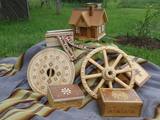 |
The workshop and “Dream Hut” exhibition hall at this venue offer a look at turned wood products such as candelabras, dishware, beer steins, vases, glasses, mortars and pestles, small boxes, wooden paintings, etc. You can commission and purchase products and watch the master at work. |
|
 |
The Ķemeri water tower was built in 1929
and used to be a reservoir for drinking and
mineral water. Until World War II, there was a
viewing platform at a height of 42 metres from
which one could see the surroundings of
Ķemeri.
|
|
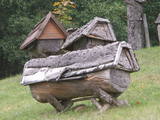 |
Das bekannteste Museum der Geschichte der Bienenzucht Litauens mit den Bienenhäusern verschidener Arte, der Arbeitsmittel der Bienenzüchter, Holzskulpturen und Hönigankauf. |
|
 1 day
|
Tūrisma gide Ineta Jansone piedāvā ekskursijas grupām gar Kaņiera ezeru, iepazīstinot ar putniem, kuri mīt tā tuvumā. Kaņiera ezers ir vieta, kur migrācijas laikā apmetas daudzi tūkstoši ūdensputnu. Ezerā un tā apkārtnē sastopamas vairāk nekā 200 putnu sugu. Putnu vērotāju ērtībām vienā no Kaņiera ezera pussalām uzcelts putnu vērošanas tornis. Netālu no putnu vērošanas torņa izveidota koka laipa uz pontoniem, kura stiepjas cauri niedrāju audzei. Kaņiera ezers izceļas ar lielu daudzums zivju – tajā konstatētas gandrīz 20 zivju sugu. Izsens zvejnieku ciems - Lapmežciems atrodas skaistā vietā uz šauras zemes strēles starp Kaņiera ezeru un Rīgas jūras līci. Lapmežciemā izveidots zvejnieku muzejs, kuru var apmeklēt ekskursijas laikā, kā arī nobaudīt svaigi kūpinātas zivis. |
|


