
| Nr | Name | Beschreibung |
|---|---|---|
 |
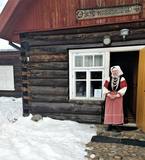
Krustceļi Old-Believers Prayer House was built in 1939.
|
|
 | ||
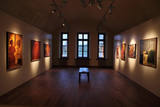 |
The Daugavpils Mark Rothko Art Centre is a multi-functional institution of culture, arts and education, located inside of the fortress' Arsenal building. It is a unique place in the Eastern Europe, where are located the original paintings of Mark Rothko – a great artist of the XX cent., a founder of the abstract expressionism movement, best known for his enigmatic color field paintings. |
|
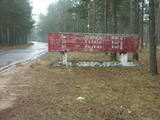 |
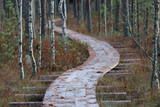
Militärversuchsfeld in Ādaži (ehemaliger Militärversuchsfeld der UdSSR Armee) wird auch heute für Gefechtsschießen und taktische Ausbildung genutzt. Ebenso ist es möglich (nach vorherigen Abstimmung) im Territorium das Auto- und Motorradrennen, als auch Testfährte oder Ausbildung der militärischen ( Bewachungs-) Organisationen zu organisieren. Die Besucher haben die Möglichkeit Pflanzen und Tiere im Territorium des Naturschutzgebietes zu beobachten. Für die Zivilpersonen ist das Territorium nur gemäß der bestimmten Ordnung zugänglich.
|
|
|
|
Eine der drei Anhöhen im Südestland mit malerischen Hügeln und schönen Aussichtsplätzen. Im „Zentrum” der Anhöne legt sich der mit Buchten reiche Pühajärv See (Heiliger See). |
|
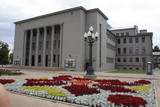 |
Found at Rīgas Street 22A, this impressive building was suggested by Latvian President Kārlis Ulmanis and built in 1936 and 1937 after a design by the architect Verners Vitands. It is seen as one of the most outstanding architectural monuments from the first period of Latvian independence, and it is said that it was once the most modern multifunctional building in all of Europe. The building now houses the Daugavpils Theatre, the Latgale Central Library, the Latvian Cultural Centre, the Latvian House, the US Information Centre, the Daugavpils Tourism Information Centre and other institutions. Unity Square is alongside the building, and beautiful compositions of flowers are nearby during the growing season. |
|
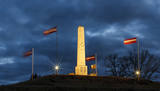 |
Befindet sich auf einer Anhöhe, an einem schönen Ort, am Ufer des Alūksne Sees bei der Pleskavas Straße (P 40). Das Denkmal wurde am 20. Juni 1923 vom Staatspräsident Jānis Čakste eröffnet. Das Denkmal wurde nach einem Entwurf des Bildhauers J. Miesnieks errichtet. Im Zentrum des Denkmals ist ein Schild mit einem gekreuzten Schwert dargestellt. Auf dem Sockel ist die Inschrift angebracht: “Den für Lettland gefallenen Kriegern des 7. Infanterieregiments von Sigulda. 1919 – 1920”. Auf einer anderen Seite ist folgende Inschrift angebracht: “Besser sein Leben geben, als unser Vaterland verlieren”. In der Sowjetzeit (1953) wurde das Denkmal abgerissen. Das Denkmal wurde 2009 erneuert. |
|
|
|
Die älteste (16 Jh.) der drei Burge am Fluss Nemunas. Renoviert nach dem 2. Weltkrieg. Heutzutage – eine Schule. Ein Park. Blick vom Burgturm. |
|
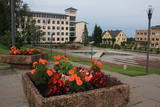 |
Madonas centrālais laukums, kas vēl 20. gs. sākumā bija tirgus laukums. Pēc apjomīgās restaurācijas tas ir kļuvis par ievērības cienīgu pilsētvides objektu. Laukuma ziemeļu pusē atrodas pilsētas un novada pašvaldība un Madonas novada TIC. |
|
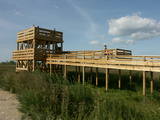 |
This is the only viewing platform in Latvia which is wheelchair-accessible. From the second level, you can see much of the restricted territory – areas of reeds, some wetlands, dunes and the estuary of the Daugava River. This is a good location for bird-watching.
|
|
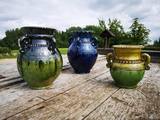 |
The craftsman produces pottery typical of Vidzeme, but with the range of colours that is typical of Latgale. These products fit in very nicely with the lovely landscape of Racupkalns. You can take a tour, watch the master at work, and work with clay yourself. You can also watch as he opens a Lettigalian ditch kiln. You can commission and purchase the products, as well. |
|
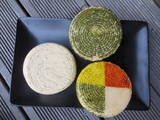 |
Die Molkerei von Talsi wurde 1922 bei dem Zusammenschluss einiger anderen Molkereien gegründet. Später entstand auf dieser Basis die “Talsu piensaimnieks” AG. Eins der bekanntesten Produkte des Betriebs ist der Käse "Talsu ritulis" (der Käselaib von Talsi). Die Produktion von der “Talsu piensaimnieks” AG – Milch, Kefir, Quark, Butter, Käse u.a. kann man in einem zum Betrieb nahegelegenen Geschäft „Piena sēta” kaufen. |
|
 |
Ein Ort, an dem Sie die Architektur von Cēsis und eine vom Norden inspirierte Mahlzeit genießen können. In nördlichen Ländern beliebte Produkte in kreativer Ausführung des Küchenchefs: Forelle, Elch und Hirsch, Pfifferlinge, Waldbeeren, kalt und heiß geräucherte Gerichte sowie internationale Küche. |
|
|
|
Eine einzigartige Kirche mit einem im 17. Jh. beiseite gebauten Glockenturm. |
|
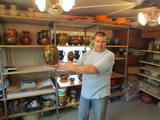 |
This potter upholds pottery traditions from the village of Silajāņi. He produces glazed and unglazed products such as dishware, candelabras, etc. You will hear attractive stories about pottery, be allowed to knead some clay and work on the potter’s wheel, and be able to tour an exhibition hall with samples of the master’s work, as produced over the course of the years. You can also commission and purchase products. |
|
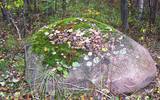 |
The Stone of Āžmugura is a fawn- coloured triangular prism boulder
which recalls the goat's back.
|
|
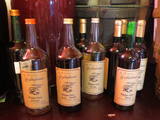 |
The farm grows fruit trees and raspberries, and it makes homemade wines from various fruits and berries, including raspberries, black currants and apples. You can purchase products, and groups of up to 25 people can attend wine tastings in a very fine hall. |
|
 1 Tag
|
Dodieties ekskursijā, lai gūtu ieskatu lauku profesijā un dzīvesveidā, kā arī iegūtu jaunus iespaidus un labu atpūtu visai klasei. Ekskursijas laikā apmeklējiet maizes ceptuvi, kurā pielieto no seniem laikiem izkoptās meistaru zināšanas un prasmes. Te var doties ekskursijā, veidot un cept maizes kukulīti. Pēc tam apmeklējiet atpūtas kompleksu, kur iespējams gan ieturēt maltīti, gan izstaigāt baskāju taku. Ekskursijas noslēgumā dodieties uz kazu saimniecību, lai noklausītos saimnieka atraktīvo stāstījumu par kazu audzēšanu un piena produktu (piens, siers, kefīrs) ražošanu. |
|
 |
The craftsman produces wooden dishware and other products, making use of many local species of trees. The technique is unusual and reveals the specific texture of timber. The artist has masterfully integrated amber, bone and animal horn in his dishware. He also engraves spoons with ethnographic signs. You can commission or purchase products from the master craftsman, who also restores wooden furniture. |
|
 1 Tag
|
Setomaa has been inhabited for about 8,400 years, which makes it one of the oldest human settlements in Estonia. It is located on the border of Eastern and Western civilisations, bordering Russia, Latvia and Estonia. Setomaa is famous for its well-preserved traditions and culture. For centuries the local handicraft skills have been passed down within families. Seto polyphonic singing (Seto leelo) is inscribed on the UNESCO List of the Intangible Cultural Heritage of Humanity. Setos have distinctive national costumes, rich in detail and unique to each family. Perhaps most impressive is the distinctive array of Seto jewellery. These visually striking pieces not only reflect the social standing of the wearer but are also worn as a safeguard from misfortune. To this day, the Seto lifestyle remains closely tied to nature. It is common practice for the Seto not only to enjoy the natural beauty of the forest but to also use its gifts. Berries and mushrooms are picked freely in their seasons. It is best to start the tour from Võru and finish in Tartu. |
|


