
| No | Name | Description |
|---|---|---|
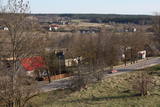 |
We recommend that you walk through the town of Kandava not only to enjoy the charm of a small town, but also to find fantastic viewing locations where you can see the town and the shores of the ancient Abava River valley from the Kurši (Ancestor) castle hill, Lielā Street, the Bruņinieki castle hill and Zīļu Street (School Hill), as well as from the area of the Ozolāji open-air stage.
|
|
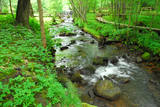 |
A pathway of wooden trails and little bridges, featuring the most beautiful part of the Ieriķupīte river, with several waterfalls, an old windmill, a unique millwheel, and various areas of obstacles for active people in the company of a guide.
|
|
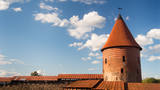 |
Kaunas Castle is the oldest stone castle in Lithuania and interestingly enough, the museum that is inside is also the oldest one in Lithuania. It's possible to take a tour to get know more about Kaunas Castle and also visit the museum where there's not only information about the castle but also about the city of Kaunas itself and much more. |
|
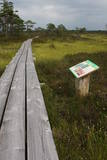 |
The trail informs visitors about one of the loveliest natural habitats in
|
|
 |
You can take a smoky sauna, watch the milking of cows, learn how to milk a cow, buy fresh bread and pastries along with unique apple tea, rent a family tent, take part in farm work, go fishing and swimming in the pond and shoot arrows with old and modern bows. |
|
 |
Legendary restaurant Halinga is located on the roadside of Via Baltica half an hour’s drive from Pärnu in the direction of Tallinn. The restaurant is suitable for both busy travellers and organising events, including for large groups. We use as many local ingredients as possible and cook according to local recipes. |
|
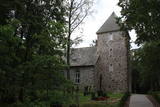 |
1.2 km to the south of the centre of Ģipka and on the side of the Jūrmala-Kolka road (P131), this church makes it hard to believe that the rock church was built very recently – after 1992, because it was burned down during the Soviet occupation in 1979. Ironically, the Dundaga forestry fire safety post was housed in the steeple of the church after World War II. The ornate altar and organ were destroyed in the fire, but the altar painting, “Christ on the Cross,” was saved. The church is now once again open for business. |
|
 4 days
|
This professional tour will look at fruit farms that selection, breed and grow breeds that are appropriate for Latvia’s weather conditions. During the introductory day, participants will tour Rīga, which is part of the UNESCO List of World Heritage, and also visit a health food store. On the second day, it is off to Kurzeme, where we will visit a farm that has developed a special technology for the processing of sea buckthorn in a way that preserves all of the vitamins and minerals that are in the berries. We will visit Wine Hill in Sabile, where grapes have been grown since the 16th or 17th century. Some 15 types of grapes that have been adapted to Latvia’s climate are grown here now. Next we will visit the Kukši Estate, which offers a look at the cultural environment of baronial estates in the 18th and 19th century. We will return to Rīga via the Jūrmala spa and have dinner at a Latvian saloon. The next morning we will travel to Vidzeme to look at a former peat swamp where large cranberries are grown now. The farm has its own processing technologies to manufacture candies, syrups, juices and teas. Next we will visit Latvia’s first blueberry farm for a tour and tastings. At the end of the day, we will visit a farm that grows cranberries and blackberries, emphasising successful and healthy food products and their marketing. On the morning of the fourth day, we will visit the Medieval Cēsis castle, which was the residence of the masters of the Livonian Order and one of the most fortified fortresses in the territory of the Baltic States. We will visit an agricultural technical school in Priekuļi to meet with faculty members. At the conclusion of the day, we will go to Ungurmuiža Estate, which is one of the most outstanding examples of 18th century Baroque wood construction in Latvia. The mansion (1732) is the only early 18th century wooden building of this type that has been preserved to this very day. |
|
 |
The beautiful wooden building, located right at the entrance of Gulbene, provides a place for guests to have a meal, enjoying the perfect atmosphere for relaxation and well-being. Home cooking and Latvian dishes. |
|
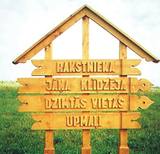 |
„Upmaļi” is the family house of writer Janis Klīdzējs who has written 8 novels, 11 storybooks, 2 essay books
and reflections about Latgalian catholic-Latvian mentality. Janis Streičs (famous Latvian film director) shot a film
based on the novel of Janis Klīdzējs called „The Child of a Man”.
|
|
 |
You are offered horse-riding along the picturesque forests and individual horse-riding lessons. |
|
 10 days
|
The tour takes through all three Baltic States – Lithuania, Latvia and Estonia. The route visits the capital cities and some of the most attractive cities and towns in Mid - Baltics. The tour starts in Vilnius, the capital city of Lithuania. Kaunas is the second largest Lithuanian city, standing at the confluence of the Nemunas and Neris Rivers. Riga, the capital city of Latvia, offers a variety of cultural experiences and entertainment. Sigulda is famous for its landscapes and medieval castles. Cēsis is one of the most charming towns in Latvia with many attractions ranging from medieval heritage to nice restaurants, exhibitions and festivals. Valmiera offers art galleries, museums, nature trails and Valmiermuža beer from the famous local brewery. Tartu in Estonia is a university town, with some very popular tourist attractions such as the interactive AHHAA science centre, the largest in Baltic countries. Finish the tour in Tallinn – the capital city of Estonia. Tourist information centres in cities and towns will help you with maps, information on sights, attractions and guided tours, food, shopping and public transport. |
|
 |
In Pärnu Farmers’ market you can buy produce of Pärnumaa and other small manufacturers of the region, as well as freshly baked bread and confectionary. |
|
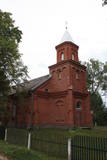 |
Atrodas iepretim bākai. Saukta arī par Pizes (Miķeļtorņa lībiskais nosaukums) baznīcu. To uzcēla 1893. g. Padomju laikā ēkā bija izvietots pionieru nometnes klubs. Tagad tā atkal kalpo savam pamatmērķim. |
|
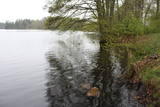 |
It is rare type of lake in Latvia and there are only of few this type of lakes in Kurzeme region. The lake is characterized by high water limpidness (very attractive for tourists) and very rare plant species for Latvia. Nature park includes the lake, costal area and forest on the East from the lake, few smaller lakes and Sarlote Pond. There are several tourist accommodations located around the lake.
|
|
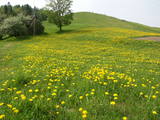 |
This is a view worth a journey from a distance. This is an impressive terrain for Latvia, and here you will see as far as the Hanja highlands of Estonia, where the Great Munameģis Hill – the highest surface in the Baltic States – can be found.
|
|
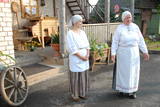 |
At this museum, you will learn all about the baking of bread from grain to loaf, and you can make your own loaves, too. You can taste bread and herbal teas. There are theatrical performances related to christenings, weddings, birthdays, etc. Local foods such as dumplings and soups made of dried mushrooms or lake fish are served. The museum sells freshly baked bread, as well as the work of local craftspeople. The hostess is a master baker and a member of the Chamber of Crafts. Latvian cuisine: Lake fish soup, cottage cheese dumplings and other traditional Lettigalian dishes. Special food: Soup of dried mushrooms. |
|
 1 day
|
Dodieties ekskursijā, lai gūtu ieskatu lauku profesijā un dzīvesveidā, kā arī iegūtu jaunus iespaidus un labu atpūtu visai klasei. Ekskursijas laikā apskatiet līdz 16 m augsto stāvkrastu ar gana iespaidīgiem skatiem. Pēc tam apmeklējiet lauku maizes ceptuvi, kur iespējams izveidot un izcept pašiem savu kukulīti. Ekskursijas noslēgumā dodieties uz pili, kas pazīstama ar stāstiem par spokiem, par rūķīšu kāzām un citiem nostāstiem. Pils parkā apskatāma Mīlestības aleja un Rūķīšu ozola vieta. |
|
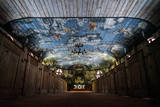 |
This is one of the oldest open-air museums in Europe, featuring 118 old buildings from all cultural and historical regions of Latvia. You’ll be able to our farms, craftsmen’s and fishermen’s farms (including Liv ones), and a farm once owned by Russian Old Believers in Latgale. Annual celebrations are held, and educational programmes are available. Craftspeople do their work at the museum, and you can quench your thirst at the Priede saloon. |
|
 8 days
|
The Daugava River is known as our river of destiny, the Daugava of our hearts, or our beloved mommy. It is a large and full-blooded artery of water that has flowed through our land and our history. The Vikings were aware of the river during the 5th century AD. Krāslava is the site of an ancient castle hill, and the fearless sailors were well aware of it in that downriver from it, the ships could sail with raised sails. It is known in Viking sagas as Dynasaiforgarðr. Goods from the East sail down the river to Rīga, where it is reloaded into seafaring ships for delivery to Europe. That has been the case for many centuries. Many powers wanted to control and govern the process, as is seen in the large number of castle hills, castles and populated areas around the river’s banks. The majestic ruins of the Koknese Castle, Krustpils, the grassy and mighty castle hill at Aizkraukle, another one at Daugmale. The unique fortresses at Daugavgrīva and Daugavpils are like large keys that lock or unlock this mighty and ancient trade route. Under the water in the Daugava are the ruins of the ancient Ikšķile Castle that was built by St Maynard himself. It is seen as the first brick building in the Baltic States. Nearby is Death Island, where Latvian riflemen fought for the future of their country and their land, defending each square metre of land. The Daugava proved insurmountable for Bermont’s troops, and the riflemen defended Rīga successfully. The curves of Daugava are unique. The village of Slutišķi is particularly known because the Daugava there is just like it has been in the past. The high dolomite shorelines and canyons that once made the Daugava unique in all of Northern Europe have now been lost in the reservoirs of hydroelectric power plants, as has the eternally weeping cliff of Staburags, the Liepavotu stream and the Pērse waterfall. The age of national renaissance in Latvia importantly began with a battle against the construction of another power plant on the Daugava, which would have fully destroyed the beauty of the noble river. We managed to protect it, if only a small part of it, but we succeeded. We must not stop! |
|


