
| Nr | Name | Beschreibung |
|---|---|---|
 |
Sudrabkalni (Silberberge) – die ehemalige Apotheke, die bis Ende der achtziger
Jahre vom letzten Jahrhundert eine Ambulanz war, später aber in eine Grundschule
umgewandelt wurde. Heutzutage ist es ein Privathaus.
|
|
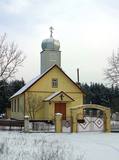 |
Malta (Borovaja, Borovska) Old-Believers Prayer House. The construction
of the church was started in 1931 by A. Gruncevičs. The Church is an architectural
monument of local importance.
|
|
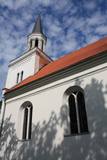 |
Atrodas Iecavas upes ielokā starp Rīgas un Sporta ielu. Baznīcas celtniecību uzsāka 1641. g. un pabeidza ap 1657. g. Ēka ievērojami cieta 2. Pasaules kara laikā. Pie baznīcas atrodas kapi, kuros apglabāti grāfu Pālenu dzimtas pārstāvji. To ziemeļaustrumu stūrī redzama Pālenu dzimtas kapliča. Baznīca ir it kā „sadalīta” divās daļās – vienā daļā notiek restaurācijas darbi, otrā izvietota bibliotēka. To ir vērts redzēt arī no iekšpuses. |
|
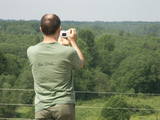 |
Die Wälder von Zvārde befinden sich auf einem ehemaligen sowjetischen Luftstützpunkt. Das Gebiet war nicht bewohnt und für Zivilisten nicht zugänglich. Auf dem riesigen Gelände gibt es verschiede Waldarten – Nadelwald, Schwarzerlensümpfe usw. Die Tatsache, daß das Militär dieses Gebiet kontrolliert hat, ist der Grund dafür, daß in den Wäldern von Zvārde viele seltene und geschützte Vögel leben, brüten und Futter finden. Einige Teile des alten Luftstützpunktes sind noch vorhanden, wie z.B. eine Überwachungsstation. Es wird empfohlen, daß sich Besucher nur auf den allgemein benutzten Straße bewegen.
|
|
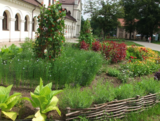 |
Der Grundstein für den einzigen botanischen Garten einer Schule in Litauen wurde 1989 an der Schule in Traupis gelegt. Alle Pflanzen in der Kollektion (insgesamt wachsen im Botanischen Garten Traupis über 8000 Arten, Sorten und Formen von Pflanzen) wurden von nur einer Person gesammelt, von Sigutis Obelevičius. |
|
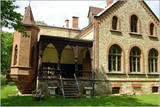 |
Zvārtavas pils aicina ceļotājus un dabas draugus, kultūras un mākslas cienītājus iepazīties ar Zvārtavas pili un citiem muižas kultūrvēsturiskiem objektiem, izbaudīt parku un ezeru, izzināt novada vēsturi un apskatīt mākslas darbus, kuri radīti šeit plenēros un rezidencēs, gan LMS muzeja kolekcijas ekspozīcijas un aktuālās izstādes. Skaistā Zvārtavas pils celta 1881.gadā un ir viena no spilgtākajiem neogotikas stila arhitektūras pieminekļiem Latvijā, kas ir valsts nozīmes kultūras piemineklis. Pašlaik pils pieder Latvijas Mākslinieku savienībai, un tieši šis fakts ir pamats pils unikalitātei. Pilī ir saglabājušies neogotikas interjeri, koka kolonas vestibilā, oriģinālās parketa grīdas, mēbeles un stikla kupols ar vitrāžām, caur kurām gaisma dažādos toņos, veido zīmējumus uz sienām un grīdas. |
|
 1 Tag
|
Dodieties ekskursijā, lai gūtu ieskatu lauku profesijā un dzīvesveidā, kā arī iegūtu jaunus iespaidus un labu atpūtu visai klasei. Ekskursijas laikā apmeklējiet cigoriņu kafijas ražotni, kur kafija tiek ražota pēc senām receptēm. Pēc tam dodieties uz piemājas saimniecību, kur saimnieks parādīs govis un piedāvās saldos ķiršus un ābolus no sava dārza. Saukas dabas parka teritorijā, pie Saukas ezera, apmeklējiet lauku māju - kultūrvēsturisko pieminekli, kur, iepriekš piesakot, ir iespējams nobaudīt uz ugunskura vārītu zupu. Visbeidzot - saimniecība, kur plašās teritorijās audzē ābolus, bumbierus, plūmes, ķiršus, zemenes un upenes. Iespēja iegādāties produkciju un piedalīties ražas novākšanā. |
|
 |
Die Bauernwirtschaft Pīlādži befindet sich in der Gemeinde Durbe der Region Durbe. Der Hauptbereich der Wirtschaft ist Getreidezucht. Zusätzlich beschäftigt sich die Wirtschaft mit Viehzucht, Züchtung von Blumensetzlingen und Gemüse. |
|
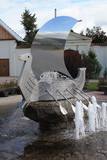 |
Arī 18. novembra laukums. Tas sācis veidoties 18. gadsimtā kā tirgus laukums. Tā dominantes bija 1752. g. celtais rātsnams (nav saglabājies) un aptieka, kas šajā ēkā darbojas no 1810. g. līdz pat mūsdienām. 2010. gadā laukumā izveidota strūklaka, kam ir pilsētas ģerboņa forma. |
|
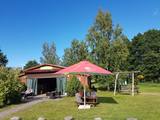 |
Kafejnīca "Stieres" atrodas Jūrmalas – Kolkas ceļa (P 131) malā – kempinga „Stieres” teritorijā. Piedāvā mājas virtuvi visām ēdienreizēm. Maltīti gatavo no Latvijas zemnieku audzētiem dārzeņiem, salātiem, zaļumiem. Zivju ēdieni ir no vietējo zvejniecības uzņēmumu ķertā vai pārstrādātā loma. Piedāvā dažādu svinību galdu klāšanu. Latviešu virtuve: Aukstā zupa, siļķe ar kartupeļiem un biezpienu, kartupeļu un plānās pankūkas, rosols, vietējo zemeņu zupa.
|
|
 |
You can go fishing on Lake Usma and then the lady of the house will cook tasty fish soup and smoked fish from what you catch. You can rent a boat, take part in fishing and casting of nets (in the winter, too), or take a cutter trip on the lake. You can also taste canned smoked bream and go horseback riding. |
|
 1 Tag
|
This outing combines fine dining at one of the most beautiful estates in Latvia with an outdoor experience at a cranberry plantation tasting cranberry-based products. The Bīriņi Castle complex is part of Latvia’s national architectural heritage. The Neo-Gothic main castle building is surrounded by a picturesque park and buildings including the stables and the water tower, which showcase the country’s industrial heritage. The castle hotel is a very popular venue for wedding celebrations. The cranberry plantation in Laugas swamp at Gundegas Farm was started in 1989 as a research farm. Cranberries are well known for their refreshing taste and medicinal qualities. They are used both for culinary purposes and in traditional medicine. Today six types of cranberries are grown in Latvia. The cranberry plantation offers the opportunity for guests to ‘pick-your-own’ during the harvest in September. |
|
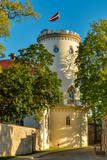 |
Cēsis is in the centre of the Gauja National Park, but it is not part of the park as such. There are many interesting places in Cēsis to visit and examine. The oldest part of the town is of key interest. The origins of Cēsis can be found at Riekstu hill, which is 18 metres high. Between the 11th and 13th century, there was a wooden castle here built by the Vendians. The hill is in the central part of the castle park, and it offers a good view of the park, pond and the ruins of the Cēsis castle, which can be accessed via a long cascade of stairs. The Cēsis castle (see below) was built in the early 13th century as a residence for masters of the Livonian Order, and it was one of the strongest fortresses in the Baltic territories. Alongside it is the New Cēsis castle, which was built in 1777 where the gate fortifications once stood. The Cēsis Museum of History and Art is in the building, alongside which is a visitors centre and the Cēsis Tourism Information Centre. From the tower of the castle, there is a fine view of the castle ruins, St John's Lutheran church and the northern part of the town. Opposite the New Cēsis castle are stables and a wheelhouse (both from the first half of the 19th century). The Cēsis Exhibition Hall is there today. You can look at the exteriors of the granary, the hut for coachmen, and the old brewery. On the other side of the street is the romantic Maija park, which was installed in the 1830s. The park is popular among parents with children, because there is a playground there. From this area, you can walk down some of the old streets of the town – Lielās Katrīnas, Mazās Katrīnas, Mazā Kalēju, Kalēju and Lielā Līvu streets, plus Līvu Square. The wooden buildings along the streets date back to the late 18th and early 19th century. Torņa Street, which weaves its way along the defensive walls of the Medieval castle, offers a look outside the church of a sculpture by Matiass Jansons, "As the Centuries Pass". Legend says that if you rub the lantern carred by the Old Man of Time, you can see the future. One of the most impressive buildings in Cēsis is St John's Lutheran Church, which was built in the late 13th century for the Livonian Order. It is a basilica built in the Roman style and with Gothic elements. The tower, which is 65 m high, was built in 1853. The building was reconstructed several times during the 20th century. Inside the building are grave epitaphs for masters of the Livonian Order and for bishops. The pulpit was installed in 1748, the oak altar followed in 1858, and the altar painting "The Crucified One" dates back to 1862. The stained glass windows around the altar are of great artistic value. The organ was built in 1907 by the E.F. Walker Company, and the instrument is one of the best concert organs in Latvia. A sun clock featuring the year 1744 is at the south-western corner of the church. It is worth climbing the church's tower. At the foot of the building is Rose Square, which began as a market square in the mid-19th century, remained in place until 1927, and was restored in 2008. This is the central square in the town today. During the Medieval Era, there were stockades here, along with the city's well. Rīgas Street has been the main street of the old town from the very beginning, and it is here that you will find the most architecturally outstanding buildings in town from the 18th and 19th centuries. They include the former Cēsis City Hall, the Fābers building, and the Princess building. At one end of the street is Līvu Square, where, during the 13th century, there was a church, a cemetery and a gate in the town walls. Today the square features a lighted fountain which is on the site of a 13th century well known as Lejas Šķimbēgs. At the other end of the street is a reconstruction of the foundations and surface elements of the Rauna gate that was a part of the town walls in the 14th and 15th centuries. The site offers a good idea about Medieval fortifications and the size and mightiness of gates therein. |
|
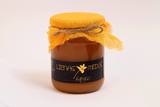 |
Ein Familienunternehmen, das sich um saubere Umwelt, Bio-Produkte und Design kümmert. Es wird eine Führung durch die Imkerei mit Verkostung angeboten. |
|
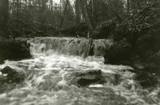 |
Hier gibt es einige “canyon-ähnliche” Schluchten zwischen den Dolomitablagerungen. Man findet interessante Aufschlüsse und kleine Wasserfälle im kleinen Flussbett.
|
|
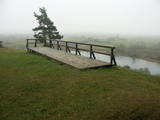 |
In Dagda, on the side of Daugavpils Street, there is a forested hillock that is the Lubāne castle hill. On the upper part of its southern side, there’s a viewing area which offers a view of the small Lake Lubenenis, the eastern part of Dagda, and the white tower of the local Catholic church. Legend has it that treasure is buried here.
|
|
 |
Die Kombüse befindet sich an der Touristeninformation von Salacgriva, in dem historischen Eiskeller für Fische. Dem Thema Seefahrt gewidmete Innenausstattung. Lettische Küche: Kalte Rote-Beete-Suppe, Seefischsuppe, geschmorte Fische und Gemüse, Schokoladewurst, Pfannkuchen mit Erdbeermarmelade, Kwass. Das besondere Gericht: Gebratene und gegrillte Fische: Barsche, Flundern, Zander. |
|
 |
Das Café befindet sich in der Nähe der evangelisch lutherischen Kirche von Talsi. Lettische Küche: Bohnensuppe, Ampfersuppe, kalte Suppe, Graupengrütze, Erbsenbrei, Gerstengrütze, geschmortes Gemüse, geschmortes Fleisch, hausgemachte Frikadellen, graue Erbsen mit Speck, Schweinerippen, Kartoffelpfannkuchen, Himmelsbrei, Kompott mit Milch. |
|
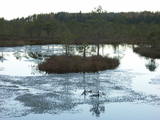 |
Das Naturreservat ist eine der größten Moorflächen des Baltikums. Es wurde in das Verzeichnis bedeutender Feuchtgebiete gemäß der Ramsar Konvention aufgenommen. Im Moor von Teiči wurde der etwa 3 km langer Lehrpfad Sildi angelegt, der nur in Begleitung von Reservatsführern nach Anmeldung besucht werden darf. Es können verschiedene Moortypen (über Stege), Moorseen (Sildi und Isliena), Wasserlöcher und Kleingewässer und moortypische Arten sowie die Moorinsel besichtigt werden. Vom Aussichtsturm in Siksala kann man den größten Teil des Moores überblicken. The trail can be visited only with the Nature Conservation Agency employee's escort from June 1 until October 31. |
|
 |
Unterkunft in einem Landhaus für bis zu 40 Personen (mit Zustellbetten). Sauna- und Badehausservice, Partyraum, Erholung im Freien - Schwimmen in Teichen, Angeln, Sport- und Erholungsgebiete. Die Gastgeber bieten an, getrockneten Fisch oder Fischsuppe zu probieren, auch von Ihrem eigenen Fang. Es gibt 17 Fischteiche zum Angeln. In "Paradises" ist es auch möglich, Feiern unter freiem Himmel zu organisieren und die Nacht in Zelten zu verbringen. |
|


