
| No | Name | Description |
|---|---|---|
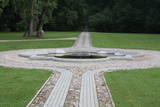 |
A small settlement on the banks of the River Daugava, between Aizkraukle and Jaunjelgava. Skriveru region is associated with the life and work of popular Latvian author A. Upitis. Near Skriveri lies the oldest arboretum in Latvia. Its establishment in 1891 was started by the owner of Skriveru manor Maximilian von Siverss. In the park there are about 400 plant species, varieties and forms. One of the finest views of the Daugava will open from the so-called Krauklu Mountains – steep upper part of the right riverbank, which is an ancient hill fort. |
|
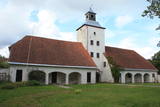 |
The complex dates back to the 17th and 18th century, when a fortress was replaced by a mansion and other buildings. The rectangular yard that is in the centre of the state is surrounded by the mansion, two granaries with columns that were built opposite one another, a stable and a wheelhouse. The stable and wheelhouse, the bell tower and the gate create the most impressive part of the buildings. Bells were rung because of religious rituals, but also to inform people at the estate about everyday issues. The silhouette of the building is reminiscent of cloisters, city halls and churches that were common in Europe in the 18th century. In 1780, the estate was taken over by the family of Karl Otto von Löwenstern, and the mansion can only be viewed from the outside. There is a hiking trail near the estate. |
|
 3 days
|
Ventspils ir viena no attīstītākajām Latvijas pilsētām ar izcilu infrastruktūru, restaurētu vecpilsētu un Livonijas Ordeņa pili, tīru un labi ierīkotu balto smilšu pludmali, promenādi un dažādām izklaides un atpūtas vietām. Pilsēta ir piemērota ģimenēm, un bērni visvairāk izbauda Zilā karoga pludmali ar dažādām šūpolēm, slidkalniņiem, kā arī Bērnu pilsētiņu ar aktivitāšu zonām dažādu vecumu bērniem. Īss izbrauciens ar Mazbānīti, kas ir interesanta atrakcija gan bērniem, gan pieaugušajiem. Ūdens priekus var baudīt gan iekštelpu, gan āra akvaparkos. Dodieties izbraucienos pa tuvējo apkārtni, lai izbaudītu ainavisko jūras piekrasti, redzētu tradicionālos zvejnieku ciematus, kur iespējams iegādāties kūpinātas zivis tieši no zvejniekiem. Slīteres nacionālais parks ar skaistu skatu, kas paveres no Slīteres bākas, apburošā Kuldīga ar tās koka arhitektūru. |
|
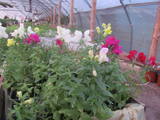 |
The farm grows and offers vegetables, annual and perennial flowers for gardens, as well as decorative bushes and trees. The owners will design gardens and other green areas, sell saplings and accept commissions for the growth of saplings. You can learn all about the secrets of growing decorative plants and receive advice from the owners. |
|
 |
Taka ap Ozolu Mazezeru. Purvaino krastu posmā, ap ezera rietumu galu, ierīkotas gājēju laipas. Novērojami purva, meža un ezera augi, dzīvnieki un biotopi. Jūlija beigās īpaši krāšņi zied ūdensrozes. Blakus atrodas Ozolmuiža ar parku.
|
|
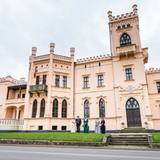 |
The castle was commissioned by Baron Alexander von Fittinghof and built between 1859 and 1863 in the late Tudor Neo-Gothic style. It is one of the most important monuments to this style in Latvia and has an ornate limestone façade. The 7th Sigulda Infantry Brigade was housed in the castle from 1921 until 1940. Today it is home to the Alūksne Museum with a permanent exhibition and an “environmental labyrinth.” One of the most unusual exhibits is a set of fluorescent minerals that can be viewed under lights with various spectrums. |
|
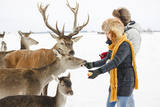 |
"Barono Vila" is a corner of paradise with a large and deep fishing pond, deer in enclosed meadows, sheep, forests rich with mushrooms and berries, clear lakes and the curves of the Sventāja River, which are popular among tourists. The restaurant offers fresh, tasty and high-qualified food made of venison and mutton, as well as oven-baked Lithuanian rye bread and the house speciality -- "Barona plov" cooked on a campfire. |
|
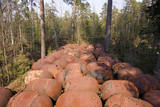 |
Naissaar is a small island near Tallinn which was exclusively used by the Soviet military from 1945 to 1993. Attractions on the island include walking trails, varied habitats, a narrow-gauge railway, fortifications from the early 20th C, and a Soviet naval mines factory. |
|
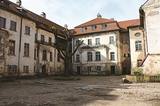 |
Dundaga baron once was one of the largest landowners of Courland, therefore during the second half of 19th century around the estate formed centre of economic and social life. Dundaga Central Square is dominated by its water tower, behind which starts Dakterleja, where from 1844 to 1854 worked one of the first ethnic Latvian doctors and linguist, J. Bars. Until the sixties of the 20th century from the Dundaga through Mazirbe and fishermen villages to Ventspils ran a Narrow gauge train. Today Dundaga attracts tourists with its spectacular castle, the Lutheran church, crocodile sculpture, Eizenberga pottery workshops and other objects. |
|
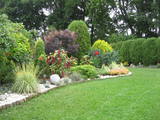 |
You will feel the beauty, power and energy of nature here, ensuring harmony with nature and a good sense of the energy of rocks, plants, Latvian plants and underground streams. Rocks here decorate the garden, which offers a good view of the sea and a cascade of waterfalls that are delightful in the spring and the fall. During the summer, it is a rock river. The site is one km to the north of the bus stop in Tūja and has 28 types of coniferous trees, 14 decorative shrubs, 13 kinds of rhododendrons, and winter plants. The interesting collection of stones may mean that there is an energy field, and the garden is quite esoteric. The rocky seashore of Vidzeme is nearby, and the garden has received many prizes from the Salacgrīva Administrative District and Latvia as such. |
|
 |
The bakery is on the main pedestrian thoroughfare in town. It uses old recipes to bake wedding cakes and other baked goods. The bakery works with local producers of ingredients. Latvian cuisine: Cold soup, dumpling soup, hazelnut-loganberry and strawberry-rhubarb wedding cakes, pierogi, sheet cakes and other treats. |
|
 |
The Forest House (Meža māja) was built
in 1933, and this is one of the most
outstanding buildings in Latvia from the style
of National Romanticism. It used to house an
enormously popular restaurant, “Merry
Mosquito" (Jautrais ods). The restaurant was
popular among the spa’s guests, but also
among prominent people of the day. A
children’s sanatorium was installed here after
World War II for kids from all over the Soviet
Union. When the Ķemeri National Park was
established in 1997, the building became its
headquarters and today it is a modern visitors’
centre.
|
|
|
|
Im Garten von Vilius Orvidas (1952 – 1992) ist eine Ausstellung der in der Sowjetzeit von der Melioration „geretteten” Steine, Grabkreuze, Holzgegenstände u.a. unter freiem Himmel eingerichtet. |
|
 3 days
|
The tour starts and ends in Kaunas, Lithuania's 2nd largest city that was the capital of the country from 1920 until 1939. At Tadas Ivanauskas Homestead at Obelynė Park you will see a collection of 300 species and forms of plants, including some of the oldest trees on the planet – the ginkgo biloba and the dawn redwood. In Kaunas you will see the Oldest Apple Tree in Lithuania – almost 360years old, 8 metres tall, with a girth of 285 centimetres at a height of 1.3 metres. The Vytautas Magnus University Kaunas Botanical Garden exposes the Lithuanian Heritage flower garden plants according to their botanical classification. The Lithuanian Institute of Horticulture carries out both scientific and experimental/production activities. You can also buy seedlings, and seasonal fruit and vegetables. Home produced “Happy Foods” can be bought from Garsi Tyla homestead, and you can have a walk in their 100-year-old orchard and see the culinary herb garden. Burbiškis Manor and its beautiful landscape and sculpture park is a home to the annual tulip festival. Authentic homesteads representing Aukštaitija region can be seen at Kleboniškiai Rural Household Museum. Šiauliai University Botanical Garden demonstrates heritage rural plant gardens arranged according to the traditions of pre-war, inter-war and post-war periods. There are about 30 different species and varieties of plants growing on the grounds of the Baltic Plant Museum. The Liudvika and Stanislovas Didžiulis Homestead Museum garden features traditional Lithuanian apple tree cultivars, flowers and herbs. The A. Baranauskas and A. Vienuolis-Žukauskas Memorial Museum presents culture, literature, history, agrarian culture, and technical history in the Anykščiai region. Traditional Lithuanian flower garden can also be seen at the Bronė Buivydaitė Memorial Museum. In Anykščiai you can enjoy the Treetop Walkway and Labyrinth Park, and take a train ride on Aukštaitija’s narrow-gauge railway. In Traupis Botanical Garden you will find everything from perennial flower collections and rock garden to a flower clock and decorative pool with aquatic plants. The interior of the Taujėnai Manor house was decorated extensively with the Radziwiłł family’s portraits, sculptures, hunting trophies, and antique weapons. In Ukmergė District, visit President Antanas Smetona’s Užugiris Manor, which now houses a memorial museum in his honour. At the end of tour, you will visit the Open-Air Museum of Lithuania, one of the largest (194 ha) and most abundant (91,420 exhibits) open-air ethnographic museums in Europe. |
|
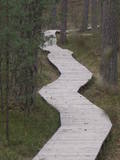 |
One of the most attractive and informative nature trails in the environs of Rīga. It leads the visitor around the 17-metre Ragakāpa dune, which is most interesting. People can learn about the habitats of the dune areas and the plants and animals of the area. Some of the pine trees are as much as 100 years old and more. The trail is 2km long in each direction and will take some two hours to traverse. This is part of the Ragakāpa nature park.
|
|
 |
The saloon is alongside the Ieriķupīte River in the centre of town. There is a nature trail to look at local waterfalls and a windmill. The saloon offers homemade baked goods. Latvian cuisine: Valmiera salad, cold soup, bean soup, sliced pork, baked cod, sausages, stacked rye bread. Special foods: “Ieriķi salad” – tomatoes, cured meat, mushrooms. |
|
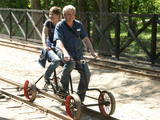 |
The museum was established in 1954 and features the traditions of Latvian and Livonian fishermen, sailors and farmers and their lives and residences. There are fishermen’s homesteads with net huts, smokehouses, granaries, etc. There is a collection of fishing boats and the largest assemblage of anchors in the Baltic States (more than 100 anchors, the heaviest one weighing 22 tonnes). The windmill was transported from the Užava Parish. The 19th century Smiltnieki home features authentic household objects. The newest thing at the museum is the Lielirbe Baptist Prayer House, which is nearly 100 years old. A narrow-gauge railroad runs down the 1.3 km Mountain line from May 1 to October 31 every year, and at its end is its turntable. The building of the museum was designed on the basis of the Mazirbe train station. The museum is in the Jūrmala park, with playgrounds for children and the Anchor trail. |
|
 |
The company is in a building that was built in 1911 and produces milk, kefir, buttermilk, cream, cottage cheese, sweet cottage cheese crèmes, butter, yogurt and cheese. A store alongside the co-operative offers Straupe Dairy Co-operative products, as well as cheeses manufactured by its partners – Smiltenes Dairy and SIA Latvijas Piens. This is one of five companies in Latvia that is allowed to manufacture one of the EU’s guaranteed traditional characteristics product, “Summer Solstice” cheese. The products have been awarded the “Green Teaspoon” and “Latvian Goodies” status. Group tours are offered a chance to taste the products and learn about the co-operative’s operations. |
|
 |
The farm produces tomatoes, cucumbers, red peppers, strawberries, apples, plums and cherries. The fruits and vegetables are available for purchase. |
|
 |
The Ķemeri water tower was built in 1929
and used to be a reservoir for drinking and
mineral water. Until World War II, there was a
viewing platform at a height of 42 metres from
which one could see the surroundings of
Ķemeri.
|
|


