
| No | Name | Description |
|---|---|---|
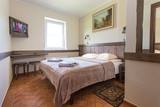 |
Viesu nams "Igne" ir vieta, kur palikt uz vienu nakti vai apmesties uz ilgāku laiku. Tā atrodas netālu Druskininkai Jaskoniai ciematā, tikai 4 km attālumā no pilsētas centra, taču tā ir klusa vieta prom no pilsētas burzma. Iespēja uzņemt līdz 50 cilvēkiem istabās ar labierīcībām. Apmeklētāju ērtībai augstas klases restorāns "Romnesa", omulīga sauna, bezmaksas autostāvvieta un bezvadu internets. Piemērota vieta konferencēm, semināriem, privātiem un korporatīviem pasākumiem. Tiek piedāvātas izglītojošas meistarklases šakotis gatavošanā, Šakotis muzeja apskate. |
|
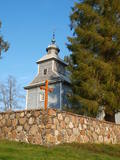 |
A wooden church was built by local craftsmen here between 1655 and 1658. Financed by the Plater aristocratic family, it was a miniature basilica, and this is seen as one of the oldest wooden churches in Latgale. That makes it a unique cultural and historical monument. The central altar has baroque wood carvings that were produced by masters from a local sculptural school. The side altar includes a painting of Mary Magdalene from the mid-18th century. The church was moved to its present location on the right bank of the Daugava in 1698. It has been restored several times – in 1890 and 1918. The stone wall that stretches around the church dates back to the late 17th century, and the freestanding bell tower was built in the mid-19th century. It was restored in 2002. According to various sources of information, the Indrica congregation is the oldest one in Latgale. |
|
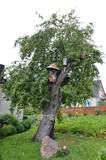 |
The oldest apple tree in Lithuania is a forest apple tree and is part of the country's botanical heritage and the only protected apple tree in Lithuania. |
|
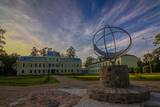 |
Pirmie dokumenti par Kokmuižu atrodami 1601. gada zemes revīzijas pierakstos. Tur sniegtā informācija vēsta, ka Kokmuiža pastāvējusi jau 1560. gadā. Taču 1880. gadā vācu muižnieks sākas celt kungu māju neobaroka stilā. 20. gs. sākumā tā tika izpostīta, bet 1937. gadā to pārveidoja par skolu. Kokmuižā kādreiz atradusies alus darītava. Tas bija laika periodā no 17.- 20. gs. Tā bija viena no slavenākajām alusdarītavām visā Vidzemes guberņā. Mūsdienās var izstaigāt muižu pats vai gida pavadībā. Var aplūkot kungu māju, staļļu ēkas, muižas pārvaldnieka namu, bibliotēku, ekspozīciju, abas klētis un alus darītavas pagrabu, kā arī sfērisko saules pulksteni.
|
|
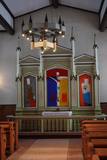 |
It is said that after a shipwreck near Cape Kolka, a rescued Danish tradesman financed the building of a church in Kolka in thanks for his rescue. There are several churches in Kolka which have changed their location. The stone worship house that can be seen today has foundations that were laid by the former owner of the Dundaga Estate, Karl Ludwig Ferdinant von der Osten-Zaken. The church was built at or near the site of an old wooden church which suffered much damage during the Crimean War. The work on the church was begun by builder Oto Zīverts in 1885 on the basis of a design by the architect T. Zeiler. During the Soviet era, the church was vandalised, and a warehouse was installed there. It is worth looking at the modernist altar painting by Helēna Heinrihsone. It is said that there is no similar painting in any other church. Before the painting was hung, a cross hung at its location. |
|
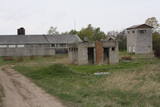 |
The former communications facilities at Pļavmalas are used as a farm warehouse at this time. They belong to a local farm.
|
|
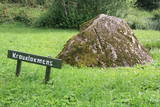 |
Rīgas – Daugavpils šosejas (A 6) malā (vietā, kur no Zemkopības institūta nogriežas ceļš uz Skrīveriem) redzama zema ieplaka ar Kraukļu akmeni, kas ir sena kulta vieta. Pie akmens veikti arheoloģiskie izrakumi, kuru laikā atrastas senlietas. Vecākā ir no 12. gadsimta. Akmens aprakstīts slavenajā Andreja Upīša (1877. – 1970.) darbā „Sūnu ciema zēni”. |
|
 |
In einem in der zweiten Hälfte des 19. Jh. errichteten Gebäude befindet sich eine Sammlung vom Limbažu-Museum und das Touristeninformationszentrum. Blick auf die Altstadt vom Turm (der glässerne Boden). |
|
 12 days
|
The route includes some of the most authentic local expediencies travelling through blue lake districts along the Eastern part of Latvia and Lithuania. This is a region where mass tourism has not yet arrived, and you find very sincere and hospitable people, traditional villages, many churches and cult locations which bring together paganism, Roman Catholicism, Lutheranism, Russian Orthodoxy and Old believers, |
|
 |
A gift shop in the old town of Cēsis near Rose Square, in the building of the former hotel "Baltischer Hof". The shop is named after the hotel's former owner, Karlīne. It is possible to buy gifts, handicraft items, souvenirs, as well as delicious homemade products, homemade wines and spirits here. |
|
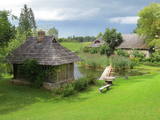 |
Organic farming principles which maintain the biological diversity of the surrounding region will be explained to visitors during a tour which also offers consultations on environmentally friendly farming. Organic produce is available for purchase, and visitors can relax on the waterside - fishing, enjoying a sauna and making use of local accommodations. A herd of wild cattle can also be observed.
|
|
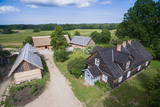 |
The museum is dedicated to the writer Ernests Birznieks-Upītis (1871–1960), whose nickname as a child used to be Pastariņš. The historic buildings have been restored according to the situation in the mid-20th century. Rye bread, Sun bread, and Shepherd's bread are baked in the museum’s farm. Each spring visitors can take part in building wattle and other types of fences, to bake bread and rolls and to taste the results. In December – baking sklandrauši (a carrot-based pastry). There are weaving demonstrations, butter churning demonstrations and opportunities to try one’s hand at other old-time farm work. |
|
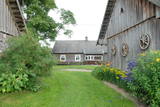 |
The “Gulbji” Selonian homestead is one of the very few places in Latvia where you can see a farm typical of the historical region of Selonia with its typical buildings. “Gulbji” is comparatively far from major roads and populated areas. It is on the so-called Dronku Island, not far from the beginning of the ancient Dviete River valley. The owners of “Gulbji” have collected a wealth of ancient household objects. Visitors can study the farm, examine a collection of medicinal plants, enjoy Selonian foods, or take a “black sauna.” It could be said that people at “Gulbji” have a natural farm which nurtures and maintains the traditions of the historical region. Latvian cuisine: Crepes, grit soup, cream of potato soup, beans sautéed in a special sauce, fruit dessert, bread soup with whipped cream, tortes, herbal teas. Special foods: Zeppelins. |
|
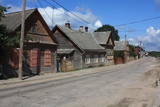 |
The wooden buildings with few floors emerged in the 19th century. Tourists can look at typical closed yards, verandas, wooden elements and decorations. The city suffered from fires in 1866 and 1938. The Market Square is the historical centre of Ludza, while the Ludza castle hill dominates the region. The streets of the city were established around the hill, which had an ancient Lettigalian wooden castle late in the 14th century. The Livonian Order replaced with the mightiest brick castle in Latgale. It was sacked in 1654 by the forces of Tsar Alexei Mikhailovich. The castle hill offers a lovely view of Latgale and the oldest city in Latvia and its historical centre. |
|
 |
Kafejnīca "Kalnakrogs" atrodas Skrundas novada Rudbāržu pagastā pie Rīgas - Liepājas šosejas. Kafejnīcas ēdienkartē iekļauti latviskie ēdieni, iespējams pasūtīt banketu un izīrēt telpas semināriem. Piedāvā nakšņošanu. |
|
 |
Astoņus kilometrus no Kroņauces, saimnieks izveidojis lielāko orhideju kolekciju Latvijā. Interesanti apskatīt arī eksotiskos dzīvniekus - iguānas, sarkanausainie bruņurupuči, pitons un šņācējtarakāni, kuri šeit atraduši mājvietu. Saimniecībā ir arī Šetlandes poniji, ar kuriem var jāt bērni.Piedāvā makšķerēšanu zivju dīķos un teltsvietas.
|
|
 |
Līga Reitere is a ventiņi story teller and a specialist in herbs, and in an old school classroom, she teaches penmanship and the ventiņi dialect. An informational tour is available, and visitors can purchase products and souvenirs from Kurzeme. |
|
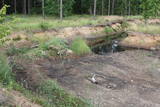 |
Nature restricted area has been established in old and overgrowing gravel pit and where rare species in Latvia - Natterjack toad (Bufo calamita) can be found. Natterjack toad needs open sand – gravel area therefore the population of it is decreasing once gravel pit is overgrowing by bushes. The population of this amphibian is depending on the activity of people in the area. There is very little chance to find Natterjack toad just by entering the restricted area, therefore please respect this area as especially sensitive.
|
|
 17 days
|
The tour introduces modern day life in rural Latvia, Estonia and Lithuania and includes visits to small farms raising livestock and producing delicious foods, and to ethnographic villages preserving the traditional lifestyle in a contemporary environment. The tour also involves sites of historical and cultural interest. The tour gives a look beyond the usual tourism sites to get to know the three Baltic states more deeply. It starts in the historic Latvian capital, Riga, followed by the Gauja National Park with its castles, manors and walking trails. Climb the tower of medieval Turaida Castle for amazing views over the valley and visit the ancient jewellery master in the castle of the charming town of Cesis. Across the border in Estonia, walk streets with elegant villas at Parnu sea resort before catching a ferry to Saaremma island. Ethnographic Koguva village, ancient churches and windmills are typical of the island, as is an embroidering tradition. Then it's off to Tallinn with its medieval Old Town and to the rocky landscapes of Lahemaa National Park with fishing villages and manors. Try Estonian national dishes at the pub in Altja. Driving back, stop at the university town of Tartu. In Latvia again, visit goat farms and a traditional black bread bakery. Then the tour heads towards the west coast with the cities of Liepaja and, across the border in Lithunaia, Klaipeda. Next is the incredible Curonian Spit. Before Vilnius, take a detour to Grutas Park with its bizarre Soviet statuary. Finish the journey at picturesque Trakai Castle in Lithuania and Rundale Palace in Latvia. |
|
 |
The farm is located in a beautiful place, the food is delicious and the owners – very nice people. Guests are also provided with accommodation and a sauna. The farm grows and processes agricultural products. |
|


