
| No | Name | Description |
|---|---|---|
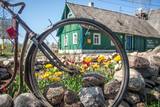 |
The guest house is located in Varnja Old Believers village and on the Onion Route - a destination on the shores of Lake Peipsi, the largest lake in Estonia and the trans-border lake of the European Union. It is about 45 km from Tartu. It offers the oppurtunity to experience authentic accommodation in a real home of an Old Believer family. Everything from the furnishing up to spoons and forks is as authentic as possible. The house has three rooms that can accommodate up to 10 people. Additional services: smoke sauna, Finnish sauna, plastic sauna, sauna in a tent, outdoor hot tub, boat rental, bicycle rental, camping, lake safari on a Karakat (wintertime only), boat house accomodation. |
|
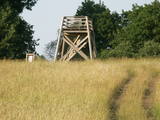 |
Here the visitor will find an ecological tourism trail in the ancient Embūte valley. The hills around Embūte date back to the Ice Age. There are valleys and forests of many fallen trees which are protected habitats. The visitor will learn about important natural and cultural monuments – the Embūte castle hill, as well as the ruins of a baronial estate, a castle and a church. The Courlandian chieftain Indulis died in the region. The visitor can view the Devil’s Dam, along with meadows, a viewing tower, etc. There are bicycler routes in the region. The site is located in the Embūte nature park. |
|
 |
This farm keeps Thuringian breed goats and makes goat's milk cheese, as well as a various snacks. In addition, herbs and medicinal plants used for teas and natural cosmetics are also grown here. |
|
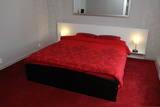 |
Guest house AMRAI is located in Ventspils, in a quiet, tidy area, 6 km from the central beach and 2 km from the wild beach. For accommodation we offer a well-equipped two-storey holiday house with two separate rooms, as well as well-equipped 1-room and 3-room apartments in a private house with separate entrances from the yard. The one-room apartment has a shower, toilet, kitchen, TV - local, internet. The three-room apartment has a jacuzzi bath, toilet, kitchen, TV-spot, internet. Both apartments have a washing machine. In the garden there is a place for games, trampolines, grills. Offers board games and outdoor games - free of charge. Possibility to order meals, talk to a babysitter, rent bicycles. |
|
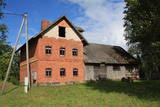 |
Braucot cauri Kaives ciemam, var pievērst uzmanību Kaives muižas „atliekām”. Vietas vēsture ir sena, jo jau 1440. gadā Livonijas ordeņa mestrs piešķīra šeit īpašumu Johanam Kaivenam. Kungu māja gāja bojā 1905. gadā, bet pārvaldnieka ēku nopostīja 2. pasaules kara laikā. 1956. g. nodega kalte, bet pirms trijām desmitgadēm - muižas krogs. Līdz mūsdienām palikusi tikai 1861. gadā celtā magazīna (sarkana ķieģeļu ēka) pakalnā un tai blakus esošais parks, kurā izveidots neliels skulptūru dārzs, estrāde un atpūtas vieta. |
|
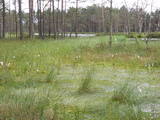 |
This is one of the largest areas of swampland in Latvia, lying between Lake Babīte and Olaine. Most of the area is still made up of peat. Relatively untouched is the northern part of the swamp, where there is a lovely set of swamp lakes, featuring landscapes of moss swamps. The heath is one of the few swamps in Latvia where the western-type and eastern-type swamp coexist. This is an important location for protected birds. A nature trail and viewing tower are to be installed at the heath in the near future.
|
|
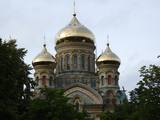 |
This church was built between 1900 and 1903 in the Byzantine style, and was meant for the local military garrison. The church, which was built to honour St Nicholas, patron saint of all seamen, and it was consecrated in the presence of Tsar Nicholas II. The ornate building was sacked by the Germans during World War I. During Latvia’s period of independence, the cathedral was used by the local military garrison. The Soviet military, in turn, turned into a sports hall, a cinema for sailors, and a warehouse. There are stories to say that Soviet soldiers broke off bits of the golden mosaic of the icons in the church. The building has now been returned to an Orthodox congregation. The builders of the cathedral used a unique way of pouring cement, which is why there are no supporting columns in the church. Instead, its weight is bolstered by its walls, with four arched vaults supporting them. It is the tallest Orthodox cathedral in Latvia at this time.
|
|
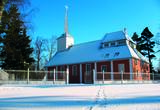 |
Roman Catholic Church of Divine Grace – On 19 April 1998, the so-called “White Sunday” or the Day of Divine Grace, Saulkrasti Roman Catholic Church of Divine Grace was consecrated. The building is 24 m long and its tower is 16 m high. The 300-seat church was designed by the architect Jānis Šrēders. The image of Christ on the altarpiece was derived from the vision of the saint, Sister Faustina, of 22 February 1931 in a monastery in Poland. The altarpiece was created by the artist Ēriks Pudzēns. 14 paintings on the walls of the church depict Christ’s path of suffering from conviction to resurrection. The altar is built of ash. On 2 August 1998, a 7.38 m tall cross was consecrated by Saulkrasti Roman Catholic Church of Divine Grace. At night this cross is illuminated. The cross is similar to the cross of Golgotha in Jerusalem where Jesus Christ was crucified. |
|
 |
Saimniecība ir neliela un atrodas laukos, klusā vietā. Līdz ar to pilnīgi dabiski tiek nodrošināta mierīga un relaksējoša saskarsme un darbs ar zirgiem. Piedāvā izjādes ar diviem zirgiem, organizējam sacensības pajūgu braukšanā. Vasaras periodā nodrošina zirgiem pansiju. Atrodas tikai 4,5 km no valsts nozīmes A9 ceļa Rīga- Liepāja un 16 km attālumā no Rīgas Zoodārza filiāles „Cīruļi”. Vasarā ir ugunskura vieta, nakšņošanas iespējas teltīs. |
|
 |
Apmeklētāju centrā var iegūt noderīgu informāciju un iepazīt ekspozīciju par Karulas augstienes veidošanās vēsturi, ezeru iemītniekiem un šejienes novada kultūrvēsturiskajām tradīcijām. Apmeklētāju grupas semināru zālē var noskatīties izzinošu prezentāciju. |
|
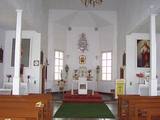 |
Holy Trinity Parish Catholic Church of Strūžāni was renovated
and sanctified in 1958. The church has no towers because they were not allowed in the time of the Soviet
Union.
|
|
 1 day
|
Guided wilderness experience day-trip combines bog shoeing and canoeing. First is walking through the forest and reaching the largest peat-bog in Estonia – Kuresoo. Wear bogshoes and walk on the wild landscape, followed by wilderness lunch. The trip ends with a relaxing canoe trip along Soomaa meandering rivers. |
|
 |
Одна из самых красивых набережных Латвии. Расположена в северной части Старого города Вентспилса. Началом набережной на улице Остас в восточной ее части служит «Тиргоню дарзс» (здесь же Вентспилсский ТИЦ) и Юракменс. Набережная украшена скульптурами коров, памятниками, фонтанами и цветочными композициями. До середины прошлого столетия на улице Остас находились склады - амбары, часть из которых сохранилась. Напротив замка Ливонского ордена установлен памятник Кришьянису Валдемару. У пристани стоит кораблик «Герцог Екаб». |
|
 |
Rīgas HES komplekss ir savienots ar Doles salas austrumdaļu. Rīgas HES ir pēdējā no elektrostacijām Daugavas HES kaskādē. Tās celtniecību uzsāka 1966. g., bet pirmo hidroagregātu iedarbināja 1974. gadā, tā projektēto jaudu sasniedzot divus gadus vēlāk. Rīgas HES uzstādīti seši hidroagregāti, kuru kopējā jauda ir 402 000 kW. No Rīgas – Daugavpils šosejas (A 6) labi redzamas Rīgas HES dambis. Rīgas HES dzelmē palika daudzi kultūras un vēstures pieminekļi, t.sk. Laukskolas apmetne, kas ir vecākā zināmā cilvēku apmešanās vieta tagadējā Latvijas teritorijā. |
|
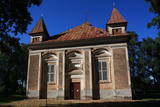 |
The St George Lutheran Church of Subate is on the north-eastern shore of Lesser Lake Subate. The church was built in the Byzantium style in 1685 and 1868 and was commissioned by the owner of the Prode Estate, H.F. Osten-Sacken. This is the only church in Latvia which is reminiscent of the typical appearance of Protestant churches in the late 17th century. The small towers at the corners of the building are of interest. Inside you will find a richly ornamented ensemble of sculptures and wood carvings, including a 17th-century altar, pulpit and pews, as well as artworks from the 17th and 18th century and a bell that was cast in 1682. Some of the interior design was the work of students at the Stelmuže wood carving school. |
|
 1 day
|
The distance from Riga to Tallinn is more than 300 km and it takes approx. 5 hours by bus. Therefore we suggest stopping on the way for a brief excursion to a herb farm and lunch in a country pub. This stopover is approx. 1.5 hours’ drive from Riga, just at that point when one needs to stretch one’s legs and enjoy a change of scene. The visit will give an insight in rural life and it may surprise visitors to learn how well Latvians understand nature, knowing and using herbs for food, health and beauty. After the excursion, the group will have lunch in a country pub serving meals made from locally grown ingredients. |
|
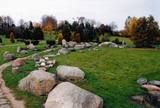 |
The terrain in this territory was created during the Ice Age. There are the ancient river valleys of the Minija, Salantas and Erla rivers, along with groups of rocks.
|
|
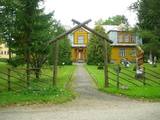 |
Kalevipoeg is a hero from the Estonian national epic, most of his stories come from Jõgeva County, where you can find his sword in the Kääpa River, there are his places of rest, stones he’s thrown, springs and bogs, ploughing furrows, etc. The museum has 12 themed rooms presenting Kalevipoeg´s legends as well as Estonian heritage. 17 wooden statues of the epic’s characters stand in the museum grounds. |
|
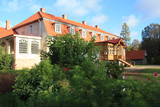 |
The oldest elements of the Oleri Estate date back to the 17th century. Initially there was a wooden mansion with an ancillary building. The new centre was built in the late 18th century in the style of Early Classicism. After agrarian reforms, the mansion housed an elementary school, and during the Soviet occupation and until the 1970s it was a school for children with mental disorders. The mansion suffered in a fire in 2000, after which it was restored. A local organisation was of great importance in this regard. The mansion is known for its Classicist paintings, with a unique “Painting Gallery.” The mansion is surrounded by a lovely park. The Oleri Estate is known for hosting chamber music concerts. The local Oleri swamp has a wooden pathway and a little viewing tower. |
|
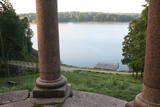 |
These are beautiful and impressive views, particularly early in the morning, of the historical locations of Alūksne. Go to Templis Hill, the Aleksandrs Pavilion, the obelisk which commemorates Heinrich von Fittinghoff, and the memorial to soldiers of the No. 7 Sigulda Brigade for good views. The Templis Hill, the castle ruins, the estate and the pavilions are arhitectural monuments.
|
|


