
| No | Name | Description |
|---|---|---|
 1 day
|
Kihnu Island is the largest island in the Gulf of Rīga and the seventh largest island in Estonia. Its total area is 16.9 km², the island is 7 km long and up to 3.3 km wide. The former seal hunter and fishermen’s island, with around 600 inhabitants, is currently eager to maintain its identity in spite of everything. The unique characteristics of the Kihnu cultural space, like the lifestyle of the community, the diverse cultural traditions, the Kihnu language, music, national costumes and nature, are included in the UNESCO cultural heritage list. A coastal route that goes through four villages – Sääre, Linaküla, Rootsiküla and Lemsi - will help you to discover the cultural and natural values of Kihnu Island. You can visit Kihnu Museum all year round and get insight into the history of the island, including the life of the famous local captain, Kihnu Jõnn. It is also worth seeing Kihnu Church and the cemetery located across from the museum. In the summer, you can enjoy a beautiful view of the island, the surrounding sandbanks and the sea from the lighthouse. The commemorative stone by the former house of Kihnu Jõnn introduces you to the island’s legendary “wild captain”. |
|
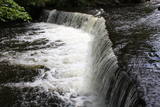 |
No vairākiem parka ūdenskritumiem noteikti ir jāapmeklē divi. 1,2 m augstais vienpakāpes Nemmeveski ir izveidojies uz Valgejegi upes (Valgejõgi), vietā kur tā šķērso Ziemeļigaunijas glintu. Šeit Valgejegi atgādina krāčainu (īpaši – pavasaros) kalnu upi, kas plūst pa vairākus metrus augstu klinšu ieskautu kanjonu. Palu laikā šo upes posmu ir iecienījuši ekstrēmie ūdenssporta veidu cienītāji. Pie ūdenskrituma un tālāk pa upi lejup redzamas ap 1920. g. celtās hidroelektrostacijas konstrukciju paliekas. |
|
 |
Der Turm war der Eckturm der mittelalterlichen Stadtmauer von Pärnu. Der Turmhof ist ein beliebter Ort für Kunsthandwerkermärkte und ein Veranstaltungsort. |
|
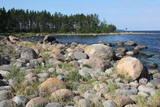 |
This is the first national park in Estonia and the Baltic States. Perfect for a day trip out from Tallinn for a hiking trip and nature watching. It was established in 1971 to protect the area that is along the Bay of Finland – the shoreline, forests, swamps, meadow biotopes, species, natural monuments, rocks, waterfalls, cliffs and cultural monuments such as ancient cemeteries, castle hills, baronial estates, fishing villages, etc. |
|
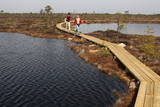 |
The word “Soomaa” means “land of the swamps” in Estonian. There are several major swamps in this area, along with rivers, lowland meadows, wetland forests, and other biotopes that are of key importance in terms of the diversity of species. Major floods occur here in the spring, which is known by locals as the “fifth season''. The fifth season is the best time to explore the landscape of Soomaa. |
|
|
|
Traditionelle Spielzeuge von verschiedenen historischen Perioden und Völkern. |
|
 |
The barn was built in the second half of the 19th century. The building has a permanent exhibition, where you can see how land management and bread baking took place in the manor. We bake bread if you order in advance |
|
 |
The diner is found in a former church school building. Delicious dishes are made of local ecological produce; local fishermen supply the fish on the menu. Local crafts are on sale in the handicraft shop. |
|
 |
Pajumäe is a small, nice organic farm located in the green Mulgimaa, and produces various dairy products. You will have the opportunity to look at all stages of milk production - from cows on the pastures to dairy processing. |
|
 |
The word “Luitemaa” means “land of the dunes” in Estoninan. This coastline territory stretches for 13 km between Vöiste and Häädemeste with shallow waters, large coastal plains, Estonia’s highest dunes, and the Tokuse swamp (Tokuse raba). There are lots of birds here.
|
|
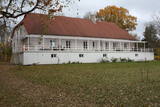 |
Muiža vēsturiskajos avotos ir minēta jau 1560. gadā. Tagad redzamā kungu māja ir celta no akmens 1805. g. Padomju laikos tajā atradās Matsalu rezervāta administrācija, bet mūsdienās ēkā ir izveidota viesnīca. Līdz muižai nokļūstam pa skaistu aleju, kuras apkaimē ir redzamas citas muižas kompleksa ēkas. |
|
 1 day
|
The Forest Trail leads down from the highest point of the Haanja Upland. The most important sight on this route is the Suur Munamägi Hill – 318 m above sea level. The highest point of the Baltics with its observation tower provides its visitors with a splendid 50 km range view of the Estonian nature. The 150 year-old western taiga spruce forests grow on the slopes of Suur-Munamägi. Further on the trail circles around the southern part of Lake Vaskna, and continues down small country roads surrounded by solitary homesteads and small clusters of farms. The route ends in a small village, Tsiistre, where the Linen Museum is located. The museum has a collection of folk linen. Flax is one of the oldest cultural plants in Estonia and a few decades ago, blue flax fields were a common sight in southern Estonia. |
|
 |
Organising workshops for Udmurts and other Finno-Ugric national cuisines, learning the culture of other people through food. |
|
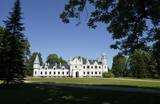 |
The Castle was restored recently and now exhibits life and history of a noble family on three floors. Tour guides have numerous stories and legends to tell, visitors can make their personal castle souvenirs. |
|
 1 day
|
The Baltic Coastal Hiking Route leads around the Pakri Peninsula, from whose rocky shores you will discover the most beautiful coastal landscapes in northwest Estonia. It goes through the centre of Paldiski and, after having reached the fortress bastions of Peter I, it turns towards the Pakri Lighthouse going across the upper part of the impressive Pakri Cliffs. Further on up to Kersalu, there are both ups in the shape of rocks and downs where the Baltic Coastal Hiking Route meanders along a sandy and rocky seacoast and a beautiful pine forest. |
|
 |
Centre stage on the a la carte menu of the restaurant is devoted to premium quality game meat dishes. Fish lovers will enjoy just caught Siberian sturgeon in the Sangaste Loss pond, ensuring that ingredients are always fresh. Ancient cooking techniques, such as baking on a bonfire in natural smoke, are honoured. |
|
|
|
Pamatīgs trīsstāvu koka tornis, no kura atklājas viens no labākajiem Matsalu līča un tā apkaimes palieņu pļavu skatiem, kuras apsaimnieko mājlopi, veidodami piemērotu vidi dažādām putnu un augu sugām. Laba migrējošo zosveidīgo putnu vērošanas vieta. Tā kā tornis ietilpst Tūlingu (Tuulingu) saimniecības teritorijā – spēkrats ir jāatstāj netālu esošajā autostāvlaukumā, bet suņi jāved piesieti kakla siksnā. |
|
 |
Sääniku farm recreation centre is located on the banks of the Kavilda former river course, and is a great place to spend free time with the family, enjoying activities and nature. You can taste the house beer, home-made bread and order meals here. |
|
 |
The main building of the grand manor Alatskivi has a restaurant serving local specialities. The rich history of the manor house connects Estonian peasant culture, Baltic-German culture and Scottish culture depicted in the manor's architecture. The restaurant menu combines these three values. Favourites of the guests are Peipus pike perch and pork chop, but many guests also love the surprising Scottish dessert and local onion jam. |
|
 17 days
|
This tour offers a panorama of three Baltic countries - Lithuania, Latvia and Estonia visiting the most important cities and towns. Explore the capitals and smaller towns at your own pace, travelling by train and bus. Enjoy the capitals with their vibrant rhythm, medieval Old Towns in the middle of modern cities, romantic seaside resorts and charming small towns with attractive architecture. The tour starts in Vilnius, the capital of Lithuania. Kaunas and Klaipėda are popular tourist attraction towns. The Curonian Spit is a scenic 98 km long sand-dune, a UNESCO World Heritage Site. In Latvia you’ll visit Riga, the capital, several cities with ambient historical old towns Liepāja, Ventspils, Tukums, Jūrmala, and Kuldīga Old Town that is included in the UNESCO World Heritage List of Latvia. In Estonia visit Pärnu and Haapsalu resort towns, and Tallinn, the capital. As an option you can take extra few days to visit Kuressaare which is the capital of Saaremaa island. Tourist information centres in cities and towns will help you with maps, information on sights, attractions and guided tours, food, shopping and public transport. |
|


