
| No | Name | Description |
|---|---|---|
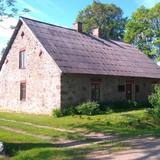 |
Operdziedātāja Jāņa Zābera muzejs "Vecais ceplis" atklāts 1973. gada 11. augustā - dziedātāja dzimšanas dienā - viņa dzimtajās mājās. Muzejā apskatāmas fotogrāfijas no viņa dzīves gājuma, afišas un operu tērpi. Tāpat pieejami dziesmu un operu āriju ieraksti mākslinieka izpildījumā. Muzeju pārzina Jāņa Zābera brāļa meita ar ģimeni. To ir iespējams apmeklēt, iepriekš saskaņojot laikus.
|
|
 |
Found along
|
|
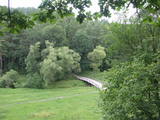 |
The Tērvete Nature Park is located in an area which is not particularly typical of the Zemgale region – the distinct Tērvete River valley. Along its banks there are vast forests which have been nicely adapted to leisure activities. There are natural treasures, as well as an outstanding cultural and historical heritage in the area. The Tērvete Nature Park is one of the most popular tourist destinations in Zemgale. People are interested in the Park of Old Pines, the lovely pine forest, the Sprīdīši arboretum, the Tērvete, Klosterkalns and Svētkalns castle hills, the memorial museum “Sprīdīši” which commemorates the great Latvian author Anna Brigadere, various attractions for children, lovely landscapes, a dense network of pathways, etc. The nature park was nominated as the most family-friendly location in Latvia in 2004. |
|
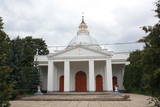 |
Atrodas Rīgas ielā 39. Dievnams celts 1848. – 1849. g. klasicisma stilā (arhitekts A. Štauberts), bet laikā no 1924. – 1934. g. pārbūvēts (A. Vizuļa projekts). Dievnama izskatu salīdzina ar Svētā Pētera katedrāles veidolu Vatikānā. Blakus baznīcai atrodas Rīgas ielas gājējiem domātā daļa. |
|
 |
Pupuchi ražotnē top kraukšķīga un veselīga uzkoda no cūku pupām - Pupuchi. |
|
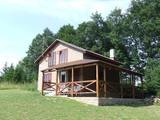 |
Atrodas ezera krastā, netālu mežs. Vieta kā radīta, lai paceptu gaļu, pamētātu bumbu grozā, pasauļotos vai pašūpotos šūpolēs. Tiem, kam patīk nakņot teltī, ezera krastā izveidotas 3 atsevišķas vietas teltīm mierīgai atpūtai. Ugunskura vieta, tiltiņš pāri ezeram, elektrība. Makšķerēšana, ogošana, sēņošana, vēžošana. Aktivitātēm brīvā dabā - bērnu rotaļu laukums, laivas, ūdens velosipēds, siltuma mīļotājiem - pirts. Laipni gaidīti arī ziemā uz slēpošanu un slidošanu. Atgriežoties no āra, gaidīs silta mājiņa un kamīnā kursies uguns. Saimniecībā ir bites, tāpēc medu varēsiet nobaudīt pa taisno no stropa medus kārē. Pieejams "stropa" namiņš, kurš speciāli aprīkota ar bišu stropu klimatu, lai sajustu tā pozitīvo ietekmi uz ķermeni un garu! |
|
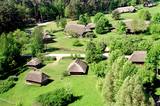 |
Countryside life open-air museum. Various historical county buildings, everyday life tools, traditions etc. |
|
 5 days
|
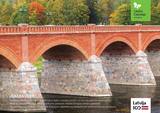
Duke Jacob of Courland was a ruler of the Duchy of Courland and Zemgale for 40 years (1642-1682). There were great changes during his rule, with the ship building industry developing rapidly, the first factories appearing, and agricultural output improving. The duke had a large fleet that brought grain, meat, butter, wool, timber and all that was manufactured at baronial estates in Zemgale and Courland to Western Europe. The fleet was so big and strong that its ships sailed not just to Europe, but also all the way to Tobago and Gambia, where colonies were established to bring sugar, coffee and spices to Europe. The duchy built ships, manufactured paper and saltpetre and wove textiles, brocade and tapestries. Iron manufacturing was highly developed, and ore was imported from Sweden. This made it possible to forge nails, anchors, bells, cannons and other firearms. The duchy produced vodka, vinegar and gunpowder for which there was great demand in Europe, because there were attacks and defences that required it. As much as 25 tonnes of gunpowder were produced each year. One of the gunpowder towers is still in Kandava, though it has been rebuilt many times. The duchy manufactured sails and ropes, as well as hemp ropes. It was said that the fleet of the Queen of England would not have existed without those ropes. The duke also thought about selection of grain, bred livestock, improved land with land reclamation and tried to expand output from his fields. Jacob did not manage to do everything that he wanted to do. A canal to avoid the Venta rapids was not finished, and plans such as the colonisation of Australia were not finished. Yet the era of Duke Jacob was a period of great change in the territory of Latvia, and it has not gone unnoticed that the great achievements of the duke occurred on a small plot of European land. That proves that wise management can ensure lots of progress. |
|
 |
This wooden pathway will introduce the visitor to a high-type swamp and a unique habitat – a place where sulphur streams flow into the Raganu swamp. The little lakes in the swamp are unique – they are the result of sulphur bacteria, and there is a special range of species in those lakes. The landscape is interesting, and the smell of sulphur pervades, mostly from sulphur ponds. The trail is 800m long and will require 20 minutes to an hour to traverse. The object is on the border of the Zemgale and Vidzeme regions.
|
|
 |
The Ristna Cape lighthouse was constructed in 1874 from parts manufactured in France. There is a small cafe at its foot, open summer only. |
|
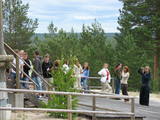 |
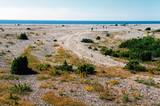
In Estonian, Luitemaa means ‘the land of dunes’. It is the seashore territory of the Gulf of Pärnu, 13 km between Vöiste and Häädemeeste with shallow waters, vast coastal meadows, the highest dune range in Estonia and the Tolkuse Mire (Tolkuse raba). The Tolkuse mire trail (~2.2 km) and watching tower are available for dune and mire sightseeing tours. Situated in Luitemaa Nature Reserve. |
|
 |
This is a “peripheral” island in the Bay of Finland, 9 km from the Dirhami port. The special fact about this island is that it offers fields of juniper, a rocky and grassy seashore that is around 2 km long, and limestone cliffs that are a few metres high along the northern and the eastern shores of the island. These are designated with the words Osmussaare pank.
|
|
 |
The largest Japanese garden in Europe (16 ha) was established in 2007 by Japanese designer Hajime Watanabe and Dr Šarunas Kasmauskas, merging religion, art and respect for nature. |
|
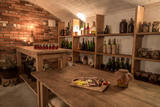 |
Die Gäste sind eingeladen den traditionellen, litauischen ethnographischen Keller zu besuchen. Hier wird die Verkostung von gepökeltem Speck aus eigener Produktion mit sauren Gurken aus ökologischem Anbau geboten, zudem kann man sich Frischkäse mit verschiedenen Beerenmarmeladen schmecken lassen und die ganze Sache mit auf dem Hof erzeugten Wein und Apfelwein abrunden. Im Angebot steht ferner Kräutertee aus Gemeinem Schneeball. |
|
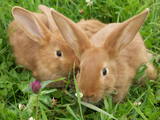 |
This is the most modern rabbit farm in the Baltic States. The animals live in cages in a shed, but there are also cages outside where they can be viewed. Children will love contacts with 24 types of rabbits, as well as an opportunity to study the surrounding area from a viewing tower. If you apply in advance, you can purchase fresh rabbit meat, sausages, dried meats and pâté. A new thing at the farm is the Mangalicas breed of wild pigs from Hungary. |
|
|
|
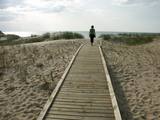
The mouth of the most beautiful river of Vidzeme. On the seashore between the mouths of River Gauja and River Daugava, one of the largest dune ranges in Latvia with distinctive parabolic dunes overgrown with forest (wooded dunes) is situated. The Mouth of River Gauja is unique as it is one of the few major rivers in Latvia and in EU countries to flow into the sea naturally. There is no harbour or other hydro-engineering construction. It is a popular recreation area in the vicinity of Riga and Saulkrasti while, unfortunately, the lack of infrastructure makes it suffer from anthropogenic load. Not far from the rivermouth, hidden in dunes, there are pillboxes which were built in 1920 or 30ies as anti-airborne barriers. There was a whole range of them along the coastline from the mouth of the River Lielupe to the mouth of the River Gauja forming a part of the Daugavgrīva Fortress fortifications. The pillbox is made of concrete, ca 1.5m thick. Every year, on the 3rd Sunday in August, a lamprey festival takes place in Carnikava town by the Gauja rivermouth. Carnikava is called the Lamprey Capital as it is famous for its lamprey fishing tradition and generous catches. The Mouth of the River Gauja is a good bird-watching area, especially in spring and autumn when one can observe the highest variety of species. Just few of the many bird species that can be observed near the Gauja rivermouth |
|
 |
The trail tells about the protected nature area which is found in Riga city and has been established to protect the seashore habitats (forests, meadows, reeds, dunes) and the birds, populating the daugavgrīva meadows. There is a bird watching tower with facilities for people with special needs.
|
|
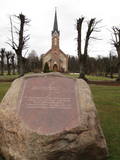 |
The first church in Piņķi was made of wood. The idea of building a new church emerged in the 1850s, and the cornerstone for a design by the architect J.D. Felsco was laid on May 25, 1872. The church that is there today was completed in 1874. The nine-register organ was built by the distinguished organ builder Wilhelm Sauer in 1890. On July 17, 1916, the 5th Latvian Riflemen’s Battalion was on its way to the front lines at Smārde and stopped at the Piņķi Estate. Col Jukums Vācietis delivered a sermon at the church on that date (though not all historians agree that he did so), and that has gone down in history as one of the most important events of the day. The historical even inspired Aleksandrs Čaks to write the poem “Sermon at the Piņķi Church.” The church is a cultural monument and can be toured. It is lit up at night. Alongside the stone is a rock that was installed in commemoration of the Latvian riflemen. |
|
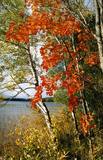 |
This area protects the landscape of the Lielauce hillocks, which are a part of the Eastern Kurzeme highlands. Lake Zebrus and Lake Svēte are in this territory. On the north-eastern shore of Lake Zebrus one can see the Ezerlūķi castle hill. On the eastern shore of the lake is a boating area, along with a viewing tower and a set of information about the area. The territory includes protected biotopes such as stream swamps and swampy forests, along with protected birds and species of bat. |
|
 |
Valkas novadā esošā saimniecība "Kurģi" ir vieta, kur braukt atpūsties gan ģimenēm, gan draugiem. Viesiem tiek piedāvātas izjādes zirga, ponija mugurā, pajūgs gan ģimenēm, gan kāzām. |
|


