
| No | Name | Description |
|---|---|---|
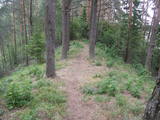 |
This is another so-called hill left behind by the Ice Age – five kilometres long with a height of between 15 and 30 metres and with high hillocks and steep hillsides. Te most distinct part of the hill can be found between Lake Pinti and Lake Šeški. The pine forests on the hillocks are a habitat with many rare and protected species. A trail has been established to tour Grebļa Hill, as well as Āža Hill and Kausu Hill, but it is recommended that visitors travel the trail in the company of a guide. The biological diversity of the area is made clear if one knows, for instance, that more than 500 kinds of butterflies have been found in the restricted territory.
|
|
 |
A marked hiking route (a guide will be needed) begins at the Jēči windmill, which was built in 1878. Nearby is a dendrology park and a collection of rocks. You will learn about moraines and other geological features in the region, study various kinds of swamps, see the unique piles of rock at Pugas, as well as the Kraujiņi rock. The route is 7 or 5 km in length, returning at the starting point, and it will take some four hours to traverse. Be sure to put on waterproof boots!
|
|
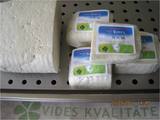 |
Here you can tour a farm which features goats, horses, rabbits, fowl and livestock. Equine therapy is available, as are horseback, pony and carriage rides. You can purchase goat milk, cheese, cottage cheese, kefir and yogurt. |
|
 |
The word “Luitemaa” means “land of the dunes” in Estoninan. This coastline territory stretches for 13 km between Vöiste and Häädemeste with shallow waters, large coastal plains, Estonia’s highest dunes, and the Tokuse swamp (Tokuse raba). There are lots of birds here.
|
|
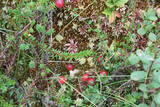 |
The territory has been established for protection of the bog and its habitat species. It is not appropriate for visits. North-east part of the bog can be slightly seen from the road Neveja – Lapmezciems on winter season. Further on Cirste direction is located on of most impressive oak trees in Latvia – Rigzemju ozols.
|
|
 |
“Saules veltes” ir mājas vīna darītava Salaspilī, kas nodarbojas ar mājas vīnu, liķieru un degvīnu gatavošanu. Alkoholiskie dzērieni tiek ražoti no dabīgiem dārza augļiem un ogām, tostarp upenēm, avenēm, cidonijām, pīlādžiem un pat mārrutkiem. Apmeklētājiem ir iespēja aplūkot saimniecību (uzņem arī 15-20 lielas tūristu grupas), kā arī degustēt konkrētos dzērienus, kurus arī turpat ir iespējams iegādāties; piedāvājumā lieli un mazi tilpumi, dāvanu un suvenīru komplekti.
|
|
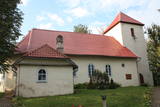 |
Celta ~ 1560. g. vietā, kur agrāk atradusies Sakas osta. Dievnamā apskatāms > 170 gadus vecs kuģa modelis. Vietējie ticēja, kas tas aizsargā jūrniekus un bojāejas. Šāda tradīcija Latvijā ir novērojama tikai dažās baznīcās. Baznīcu var apskatīt arī no iekšpuses. |
|
 |
A small food producer in Vidzeme, which is engaged in the processing of vegetables, fruits and berries, producing healthy snacks without sugar and flour. Offers tasting tours, master classes on vegetable truffles and healthy cakes, actively involving guests. Soon there will be a lunch offer - a special kale cabbage soup. |
|
 |
The fisherman offers you a chance to engage in string-based fishing at the seashore near Nida and Pape, fishing out in the sea (1-2 people), and ice fishing during the winter. You can smoke what you catch or cook fish soup with it. |
|
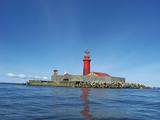 |
The Kolka lighthouse is on an artificial island which was created
between 1872 and 1875. The original lighthouse was made of wood, and
its light was first lit in June 1875. As the island settled into the sea, the
current tower was built. It began operations on July 1, 1884. Today the
lighthouse is six kilometres from Kolkasrags at the end of its sandy
shallows (back when it was built, it was just five kilometres away). The
island still has the building for the lighthouse supervisor, as well as
several outhouses. The metal lighthouse which is there now was built in
St Petersburg. It has been an automated lighthouse since 1979.
|
|
 |
Directly by the sea, only 20 minutes’ drive from Pärnu, is the Captain's House (Kapteni talu), where the captain's freshly caught fish is turned into delicious fish dishes that can be bought or tasted in the Captain's Summer Café. |
|
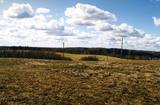 |
No ģeogrāfiskā un kultūrvēsturiskā viedokļa interesanta teritorija Latgales augstienes Rāznavas paugurainē, kuras nozīmīgākie resursi ir dažāda veida biotopi, ainavas, reljefs un Šķaunes ezers. Istras pauguraines dabas parkā nav ar tūrismu saistīti labiekārtojumi, bet šo teritoriju var apskatīt arī „no malas”, braucot pa grantēto ceļu no Soboļinas uz Osinovku, kas iet līdztekus parka ziemeļu robežai (skats uz Šķaunes ezeru).
|
|
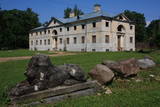 |
Muiža sāka veidoties 16. gs. beigās (īpašnieki - Tīzenhauzeni, vēlāk Bēri), bet no 1753. g. tā kļūst par Mēdemu dzimtas īpašumu. Tagad redzamo muižas pili (mūsdienās tikai atliekas) cēla 1806. - 1810. g. klasicisma stilā (Johana Georga Ādama Berlica projekts) pēc itāļu izcelsmes Pēterburgas galma arhitekta Džakomo Kvarengi meta. Muižas īpašnieks tajā laikā bija Johana Frīdriha Mēdema dēls - Kristofs Johans Frīdrihs (saukts par Žanno). Elejas pilī bija savākti daudzi nozīmīgi Eiropas mākslinieku darbi, kā arī iekārtots izcils interjers. 18 muižas kompleksa ēkas nodedzināja Pirmā pasaules kara laikā (1915. g.) un līdz mūsdienām ir saglabājušies tikai nelieli pils pirmā stāva drupu fragmenti ar kaltiem portika kolonu kapiteļiem, pārvaldnieka māja (apskatāma no ārpuses), atsevišķas saimniecības ēkas un parks. No pils drupām pa aleju var aiziet līdz Tējas namiņam (bēdīgā stāvoklī). 0,5 km ziemeļos no pils drupām atrodas 1912. g. izveidotā Mēdemu dzimtas kapsēta. Elejas pils mūra žoga arkādē iemūrēts dobumakmens. |
|
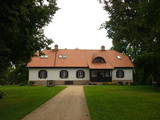 |
The Berķenele semi-estate is a historical monument of national importance, known as the place where the distinguished Latvian author and politician Rainis (1865-1929) spent his childhood. The house was restored in 1995, and since 1996 it has been the Rainis house in Berķenele. Rainis recorded his childhood impressions in a poetry collection called "Five Sketch Notebooks from Dagda." Today the managers of the house offer tours, creative workshops and exhibitions. Visitors can don the clothing worn by the lord and his servants. Around the house is a large orchard, featuring a programme called "Route of Apples." The house also has a lovely landscape that is interesting to see. |
|
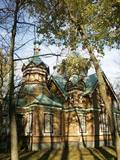 |
Located at 1 Katedrāles Street. The oldest church in Ķemeri was built in 1893 in the style of the wooden churches of the Northern Russia. (Architect V. Lunskis). Near the church, there are buried 97 Russian soldiers killed in World War I for whom in 1925, a monument was unveiled-a black marble cross. Not far from the church you can find the Brethren's Cemetery and a monument to the Soviet soldiers who died from the wounds in World War II and after the war. This is the oldest church in Ķemeri. According to legends, it is built without a single nail. You can see the church during the worship but the visitors must be appropriately dressed! During the rest of the time, the building can be viewed from the outside. |
|
 7 days
|
The tour from Riga to Tallinn combines natural and cultural heritage and includes lovely landscapes and 15 nature trails which cross marshlands, meadows and forests along the shores of the Baltic Sea, including several protected nature reserves. Many trails are equipped with viewing towers for birdwatching. Randu meadows near Ainazi contains one third of Latvia's entire plant species. A boardwalk leads through reeds to a viewing platform with views over the meadow and the sea. Saaremaa island is interesting with very different natural attractions to the mainland - dolomite cliffs, juniper heaths, a meteorite lake and rocky sea shore. The tour passes rural farms and traditional villages typical of the coastal areas. Hiiumaa island is a laid back place and retains a very Estonian atmosphere with an important bird reserve at Kaina Bay, unusual Saare Tirp as well as several small islets off its south-eastern coast. Back on the mainland, Paldiski peninsula gives a glimpse of the recent history with its former Soviet military base. |
|
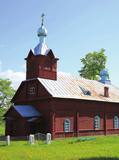 |
Tiskādi Old-Believers Prayer House was built in 1886 and reconstructed
in 1905. The large church was sanctified 100 years ago. It is situated in the district which is mostly populated by Old Believers. The church stands on the hill.
|
|
 |
The farm produces homemade wines made from natural raw materials that are grown locally or bought from nearby farmers – apples, rhubarb and black currants. Black currant spirits are also available. During a tour, you will learn about how the beverages are prepared, taste them, and purchase some for yourself at the farm’s little shop. |
|
 |
A family restaurant, located next to the Melluži open-air stage in Jūrmala, 27 km from Riga. European and Latvian cuisine for all of the meals of the day, including soups of the day, salads, main courses, and a selection of desserts. All of this in a wonderfully cosy atmosphere. |
|
 |
Mini zooloģiskais dārzs Brocēnu novadā, kur iespējams gan apskatīt, gan samīļot dažādus dzīvniekus lauku vidē. Sētā ir arī ugunskura vieta un nojume, kur patverties lietus laikā.
|
|


