
| No | Name | Description |
|---|---|---|
 2 days
|
This route offers most unusual views. Seda is the only town in Latvia with Soviet-era planning from the middle of the last century, featuring a central square and streets stretching from it in a star pattern. The architectural style of apartment and public buildings is rather exotic. The Seda Swamp yielded peat moss during the first period of Latvia’s independence and is one of the largest industrial and environmental territories of its kind in Latvia and the Baltic States. Former peat fields have partly become flooded and are overgrown with reeds, thus creating an outstanding environment for nesting water birds and migrating birds which rest at the swamp. Peat is still being extracted, and perhaps you will be lucky enough to spot the “little peat moss train.” Route information from Latvijas Lauku forums |
|
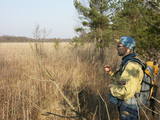 |
This lime swamp of grasses is in an area among dunes which floods from time to time, and it is an important location for many protected plants. The swamp is easily surveyed from the forested dunes which are on the south-eastern side of the swamp. |
|
 |
This farm has been offering cheese for 20 years, with milk coming from its own dairy cows. The farm sells cheese at major markets and fairs in Latvia. |
|
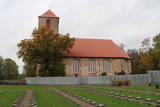 |
The graveyard that is alongside the Lestene Lutheran Church is the final resting place for more than 900 soldiers who fell during World War II, particularly during battles at the so-called Fortress of Kurzeme, as well as in Zemgale and Vidzeme. The sculptress Arta Dumpe designed the commemorative monument “Mother Motherland – Latvia.” The cemetery of the brethren is the second largest resting place for soldiers from World War II after the Cemetery of the Brethren in Rīga. The names of some 11,000 soldiers are engraved on the gravestones. |
|
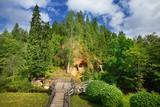 |
Klinšu smilšakmens ieži veidojušies, ūdens straumēm sanesot smilšainas, mālainas iežu daļiņas. Tās lēnām nogulsnējās un sablīvējās, topot par vareniem dabas veidojumiem! Līgatnes pagrabu alas savām rokām radījuši senie iedzīvotāji. Šī neparastā vieta ļāvusi daudzām paaudzēm izdzīvot, jo alās bija iespēja uzglabāt nepieciešamās pārtikas rezerves. Alām ir nemainīga temperatūra, kas padara tās par drošu pārtikas produktu un dzērienu glabātuvi. |
|
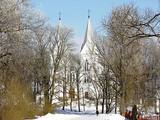 |
Holy Jesus Heart Roman Catholic Church of Bikova
(Gaigalava). Enjoy the Gothic forms and architectural design of the church. The church and the altar are
decorated with the icons of Zebedee sons – James and John (the apostles of Jesus) and other saints.
|
|
 |
In mid-summer, the farm features the beautiful blooms of rapeseed and flax. A special facility for pressing rapeseed and flax seed oil is on site. You can watch the oil pressing process and purchase some of the resulting oil.
|
|
 1 day
|
Ekskursijas laikā apmeklējiet dabas taku, kurā ir iespēja iepazīt Amatas novada dabas objektus gar Kumadas upes, Dančupītes un Amatas upes krastu. Pēc tam apmeklējiet Cēsu pils kompleksu. Viduslaiku pils sniedz iespēju iejusties 800 gadus tālā pagātnē, uzkāpt ar sveču lukturīšiem Rietumu tornī, nokāpt cietumā, kā arī redzēt, kā kalējs darina latgaļu rotas. Blakus esošā Jaunā pils ir 18. gs. celta pilsmuižas kunga māja, kurā tagad atrodas Cēsu Vēsture un Mākslas muzejs. Ekskursijas noslēgumā dodieties uz lauku māju Smiltenes novadā, lai iepazītu maizes cepšanu pēc sentēvu tradīcijām, kā arī pašiem izveidot savu maizes kukulīti. |
|
 |
Guesthouse "Stikāni" is located in Rezekne district. The guesthouse has four comfortable rooms for two people and a dining room with an exit to the garden terrace. A knowledgeable guide will take you to the nature trail where you can learn about typical trees and bushes, popular and less known medicinal plants, nesting birds (during the summer) and impressive bird migration during the spring and autumn. |
|
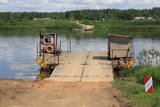 |
This is one of two crossing points across the Daugava (the other is near Līvāni). It is an exotic form of transportation to carry pedestrians, bicyclists and light automobiles across the river. There is a motor that operates a 200-metre metal cable. The crossing point is based on Soviet military pontoons that were used to build pontoon bridges for tanks. The crossing point was established by its owners. The Dunava Catholic Church is on the left bank of the river, and nearby is a monument to rafters. During the 1820s, there were three crossing points of this type across the Daugava. |
|
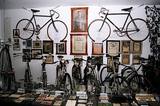 |
It is the bicycle collection of father and son Jānis and Guntis Seregins, which is the only collection of antique bicycles in Latvia. They have been collecting cycles since 1977 when they joined the Antique Automobile Club and became fascinated with Latvia’s cycling traditions. The collection’s core is formed from technically unusual bicycles. In total, the museum has approximately 70 Latvian-made and used bicycles. Besides bicycles there are many other pieces of cycling ephemera relating to sport, cycle clubs and bicycle production. The museum has an extensive collection of bicycle brands, bringing together 1000 badges from all over the world. Guided excursions available. |
|
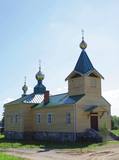 |
Tiskādi Orthodox Church is the cultural monument of the local significance. The construction works of the building lasted from 1829 to 1878. The
church was reconstructed in 2008. The church has antique icons and the library
of sacred literature.
|
|
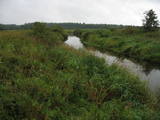 |
Palieņu pļavas starp Rūjienu un Rūjas ieteku Burtnieku ezerā, kurām raksturīga liela augu un putnu sugu daudzveidība. Tās robežojas ar bijušiem Rūjas zivju dīķiem, kas šobrīd aizaug ar mežu. Rūjas palienes var vērot gan braucot ar laivu pa Rūju, gan arī no ceļa, kas ved uz minētajiem dīķiem. Tur izvietots informācijas stends.
|
|
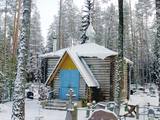 |
All Saints Orthodox Church of Malta (Rozentova) was built in
1928. It is the wooden log building with double window frames and a
dome. Facades are decorated with the motive of the sun.
|
|
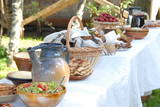 |
This facility is in the historical village of Pape in Southern Kurzeme. Accommodations are available in an historical granary with a roof made of reeds. It is appropriate for inhabitation during the late spring, the summer and the early fall. There are three bedrooms, a small front room and a kitchen, with two floors in all. The building will fit eight people. This is an ideal location for creative camps, plenary sessions, master workshops and other activities. There are tenting areas for as many as 80 people. The Mikjāņi farm observes local traditions and offers traditional foods such as “herring on coals,” white butter with boiled potatoes, fish soup, etc., for visitors who apply for a meal in advance. This offer is only available to groups which register in advance. |
|
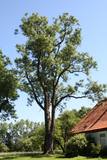 |
A very beautiful and expressive tree, it is found on the land of what was once the Vīceži Semi-estate.
|
|
 |
Located in the centre of Gulbene. The cake shop in Gulbene, offering various sweetshop goods from natural ingredients, freshly made juices, aroma teas and coffee, as well as salads and appetizers. In Gardums it is possible to taste snacks and dishes typical for Gulbene district. |
|
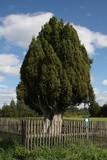 |
This is the thickest common juniper (Juniperus communis) in Latvia and the Baltic States. It stands in the middle of a field and looks wonderful. The tree is sometimes known as the Rieteklis juniper, because the Latvian poet Rieteklis (Jūlijs Eduars Balodis, 1856-1940) like to sit under it.
|
|
 6 days
|
This route will allow you to see Latvia's most impressive medieval castles or their ruins, as well as outstanding manor houses from aristocratic estates dating back th the 18th and 19th century. The mansion of the Ungurmuiža Estate is one of the only wooden palaces left in Latvia from those that were built in the early 18th century. The ruins of the Cēsis Castle are among the most impressive Medieval ruins in the country. The tower of the Turaida Castle offers panoramic view of the ancient Gauja River Valley. About one-half of the route passes through the Gauja National Park. You will arrive at the place where the oldest crossing of the Baltic rivers exists - the rafts which transport people across the river are still powered by the stream itself. |
|
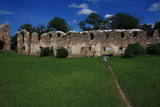 |
On the right bank of the Bērze River and in the western part of Dobele, the castle hill and its fortified forecastle were occupied between the 10th and 13th centuries, with an ancient town at its foot (currently the square between Tērvetes Street and the Liepāja highway). As was common, the Livonian Order used this ancient Semigallian castle hill to build a brick castle between 1335 and 1347. The castle was sacked during the 18th century, and its fairly impressive and beautiful ruins have been conserved. A viewing platform is part of the charm. |
|


