
| Nr | Name | Beschreibung |
|---|---|---|
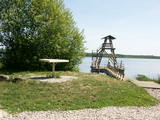 |
Viewing tower on pontoons, and there is a footpath to get to it. The tower offers a view of nearly all of Lake Sloka, all the way to Kauguri. Particularly visible is the northern part of the lake. There is also a sulphur spring. The site is good for bird-watching throughout the year, including the winter, because parts of the lake do not freeze over. |
|
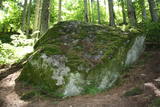 |
Vienu kilometru garā lokveida taka, kas ved pa lielāku nacionālā parka meža masīvu, uzskatāmi attēlo Žemaitijas augstienes un tuvākās apkārtnes reljefa veidošanās vēsturi. No takas augstākā punkta – Mikitai kalna, kas ir sens pagānu upurkalns, paveras (ainaviska stiga) tālākas apkārtnes skats. Kā takas interesantākie apskates objekti ir jāmin teikām apvītais akmens ar Velna pēdu un ar akmeņiem izliktas akas paliekas. |
|
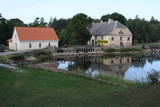 |
Das heutige Aussehen im Historizismusstil hat das Landschloss 1880 erhalten. Im Landgutskomplex ist ein Hotel, ein SPA Komplex, ein Restaurant u.a. eingerichtet. Umgeben von einem Park. |
|
 |
Laivošanas pasākumu organizēšana, kajaku, kanoe laivu, SUP dēļu un aprīkojuma īre un pārdošana. |
|
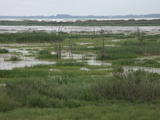 |
Die Senke des Lubāns – Sees, die sich im West- und im Südwestteil des Sees befindet, hat nur wenig veränderte Wälder und Sümpfe, wo viele seltene und geschützte Vögel nisten. Diese Region hat viele seltene und geschützte Habitate.
|
|
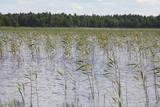 |
There is picnic area and information stand at the end of the forest path leading from Muiznieki to Klanu Bog. Klanu Lake was formed in the place of Littorina marine lagoon. Nature restricted area was established to protect biotopes in the area of Klanu, Dziru and Stavu Lakes. There is wide information about the area available on the information stand.
|
|
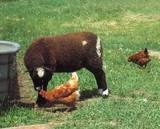 |
The farmyard offers to see the domestic animals, birds and exotic maras as well as horse-back riding on a pony. You can get a consultation about gardening and breeding small animals. It is possible to buy quail eggs, smoked meats, chicken and birdlings. |
|
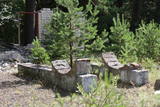 |
Der Posten der Grenzwache Ovīši 521 ist im Besitz vom Abwehrministerium der Republik Lettland und das Territorium ist für Zivilpersonen geschlossen. Nur einzelne Ruinen der Gebäude an der Düne sind für Interessenten zugänglich.
|
|
 |
Baznīca šajā vietā – blakus Livonijas ordeņa pilij (nav saglabājusies) atradās jau ~ 1380. gadu. Tagad redzamais dievnams (patiesībā – atliekas) tika nopostīts pēc 2. pasaules kara un uzspridzināta 20. gs. 70. gados. Tā drupas ir iekonservētas un virs altārdaļas uzstādīts balts koka krusts. Atrodas Salaspils dienviddaļā starp Rīgas HES dambi un ūdenskrātuvi. |
|
 |
Das Restaurant befindet sich in dem großen Saal des rekonstruierten Landgutes von Liepupe. Hier werden die alten Vorbereitungstraditionen von ländlichen Speisen mit den modernen Methoden verbunden. Das Restaurant arbeitet mit Bauern zusammen. Grüne Kräuter und Gewürze sind aus dem Garten des Landgutes. Gäste können an der Vorbereitung der Speisen auf einem Holzherd in einer Küche aus alten Zeiten teilnehmen. Lettische Küche: Roggenbrotkanapee, Auslese von lettischen Käsen, ländlicher Salat mit grünen Kräutern, gegrillte Gemüse der Saison, Brühe des Landgutes, Speisen aus einheimischen Fischen, gebratene Schweineschnitzel, in Gewürzen gebratenes Lamm. |
|
 |
Die Strandbar befindet sich am Strand und bietet eine weite Aussicht auf den Strand von Saulkrasti. Lettische Küche: Kalte Suppe, gebratenes Kabeljaufilet, hausgemachte Frikadellen, Schweinebraten, Pfannkuchen mit Quark, karamellisierte Haferflocken. |
|
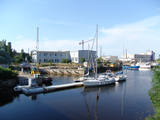 |
Von dem Bau eines Hafens träumte K. Valdemārs schon im zarten Kindesalter. Aber nur am Anfang des 20. Jahrhunderts wurde in Roja einen sogenannten Schutzhafen gebaut – es wurde einen ~ 213 m langen Schutzdamm im Meer 0,5 km von der Küste entfernt gebaut. Aber dieser Damm zerspaltete sich allmählich und brach endgültig 1933 zusammen. In den 1930er Jahren fing den Ausbau des Flusses Roja an. Bei den Arbeiten wurde einen in Frankreich hergestellten Bagger “Rāpulis” ausgenutzt. Es wurden Wallen aufgeschüttet, Steindämme und Pfahlmolen errichtet, die später mehrmals verlängert wurden. 1932 haben die Fischer selbst eine 107 m lange Mole errichtet. 1972 ist die Hafenmole vollständig renoviert worden. Einst funktionierte hier aktiv bei einer Vereinigung der Fischereibetriebe das Fischerkollektivwirtschaft “Banga”. (Die Quelle: Roja TIZ) |
|
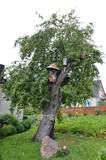 |
Der älteste Apfelbaum in Litauen ist als botanisches Erbe geschützt. Dabei handelt es sich um einen Holzapfel, den einzigen geschützten Apfelbaum in Litauen. |
|
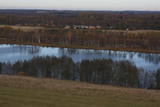 |
This is the most visually impressive drumlin field in the Baltic States, and it is close to the village of Tabivere. The drumlins were established by ice glaciers, and they point in the direction in which the ice moved long ago. In terms of their appearance, the drumlins resemble loaf-shaped hillocks. From their “backs,” there are lovely views of the local landscape and the lakes that are around the area. The visitor centre is in the village of Äksi.
|
|
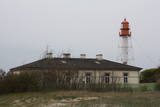 |
In Soviet times, all lighthouses were military objects. Today the lighthouse at Pape is managed by the Latvian Maritime Administration, and it can only be viewed from the outside.
|
|
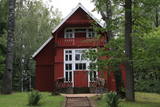 |
This is a homestead that is three km from the centre of Vecpiebalga and is in a lovely place – the Incēni hill. There is a museum here featuring the author of the legendary fairy tale “Pussy’s Mill” by Kārlis Skalbe (1879-1945). The poet and prose writer built the building in 1926 and spent summers there from that year until 1944. The museum was opened in 1987. The western slope of Vaktskalns hill right alongside the museum offers a lovely view of Lake Alauksts. The cremated remains of Skalbe and his wife, Lizete, were reinterred at the location in 1992 from Sweden, where the poet died. There is a unique monument to them in the form of a stone boat. |
|
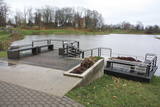 |
Gar Grobiņas ūdenskrātuvi (Ālandes labais krasts) izveidota mūsdienīga un labiekārtota pastaigu un atpūtas vieta - promenāde, uz kuras izvietotas plāksnes ar Zentas Mauriņas un Jāņa Raiņa citātiem. No promenādes paveras labi skatu punkti uz Skābaržkalnu un Grobiņas pilsdrupām. Grobiņas ūdenskrātuves sašaurinājumā pāri Ālandei ved neliels tiltiņš, kas ir bijušā Liepājas – Aizputes šaursliežu dzelzceļa tilta ferma. |
|
 |
The cafe is situated in Stende, approximately 12 km away from Talsi. |
|
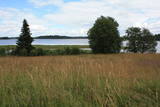 |
Ļoti ainavisks ezers, uz kuru paveras lieliskas ainas no Vidzemes augstienes pauguriem. Te jāatceras latviešu teika par Ineša un Alauksta strīdu, kā rezultātā Inesis dabūja pliķus – salas, kurām (sešām) tāpat kā Sproģu pussalai ir dabas lieguma statuss. |
|
|
|
Sudrabkalni – a former pharmacy and medical treatment facility until the late
1980s, then an elementary school, and now a private residence.
|
|


