
| No | Name | Description |
|---|---|---|
 10 days
|
From Riga the tour goes along the right bank of the river Daugava and crosses it over at Plavinas HES to Salaspils. Visit National Botanic Garden then continue along the left bank of Daugava. On the route there is a model of ancient wooden castle where you can walk about. . Then visit the Kingdom of Rabbits where their homes are made like a little castles too. Time to taste some wonderful home-made ice-cream at Skriveri and visit legendary Koknese castle ruins park. Next day visit ethnographic working farmstead where you can see wild horses and cows as well as various waterbirds in the pond. Then the route goes to private mini zoo "Ezerlejas" with some exotic animals, visit ceramics factory where you can see how the hand-made clay products are made from the beginning to the end, walk around Rauna medieval castles ruins. Cesis town with mighty medieval castle and pretty old town is the next on the route. At Ligatne walk nature trails where you can see local wild animals. At Sigulda kids would love to visit "Tarzans" adventure centre. There is also Olympic bobsled centre and two medieval castles located. From Sigulda the route goes towards the coast with a stop at elegant Birini Manor with large park where you can try horse ridding. Then you are at the sandy beach of Saulkrasti. Before returning to Riga you can visit a farm with goats and ponies to taste goats products and cuddle animals. |
|
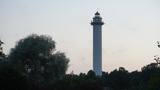 |
(formerly Pize and Pizā in Livonian). The current name of the village comes from a lighthouse (Mihailovskii majak) that was built during the age of the Russian Empire and named for the nephew of Tsar Alexander II. The lighthouse that is there now is the third one to be built on the site. It was built in 1957 and is the highest lighthouse in Latvia (57 m, can only be viewed from the outside). The Lutheran church in Mikeļtornis was built in 1893, and nearby is the Pize Saloon (1857), which is terrible condition. The saloon has a typical design from the 19th century and is the only venue of its type on the Livonian coastline. The first Livonian cultural activist, Jānis Princis (1796-1868), was born in Miķeļtornis, and he and son Jānis translated the Gospel of Matthew into the Western Livonian language. The two of them also wrote a collection of poetry, "Holy Songs and Prayers for Sailors." The only poetry book in Latvia prior to that was published by Blind Indriķis. A student of Vilhelms Purvītis, Livonian painter Andrejs Šulcs (1910-2006), was born at the Olmaņi homestead in Miķeļtornis. A monument to Livonian poets was installed at the local cemetery in 1978 and was the first monument dedicated to Livonians. There are plans to open an environmental object by artist Ģirts Burvis, "Century of Sailing Ships", in 2019. |
|
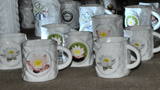 |
Since 2007, visitors have been able to tour a porcelain factory that offers an exhibition of porcelain products. You can buy souvenirs or commission special products. Children will love the porcelain painting studio that is in the mansion of the nearby Vecpiebalga Estate. |
|
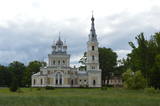 |
The owner of the Stāmeriena Estate was Baron Johann Gottlieb von Wolff, and his wife, Sofia Potyomkina, was a member of the Russian Orthodox faith, so work on the church began in 1902. It was consecrated two years later. The crosses on the steeple of the church are known for mountain crystals that were presented by the Wolff dynasty. Contact the church in advance for a tour of its interior. |
|
 |
"Karpyne" has an excellent restaurant which offers both various fish dishes as well as other foods. Here there's a lot to do inside and outside, for example, inside is bowling alley, swimming pool, gym and outside - outdoor swimming pool and a tennis court, there's a possibility to fish too. Seminars and celebrations can be organised here. |
|
 |
The private museum of antiquities of Zigurds Safranovičš was founded in May 2010. The collection of the museum contains around 50 thousand objects, of which 99% of exhibits have been donated. The oldest and rarest, according to legend, 300-year-old item – Ernst Glick's refrigerator. The museum's surroundings are a large park of the former Baron Wulf's estate, where it is currently possible to spend the night in tents, as well as available rest areas - canopies, fire places, grills, utensils for cooking, etc., drinking water (from a well), available electricity for telephones, cameras, etc. for charging. For larger groups (starting from 10 people), porridge cooked on the fire. |
|
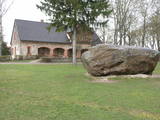 |
The museum is in the Lielvārde Park. It is in the granary of the Lielvārde Estate that was built in the early 19th century. It was later used as a residential building. A veranda was added to it in 1922. The museum has been there since 1970, and it features exhibits about the Latvian national epos “Lāčplēsis” and its author, Andrejs Pumpurs (1841-1902). The museum also features information about the history and ethnography of the Lielvārde Administrative District. Alongside it is a large rock that weighs around 80 tonnes and is known as Lāčplēsis’ Bed. A broken part of the rock is known as the Lāčplēsis blanket. Both rocks were once on the banks of the Daugava River next to the Lielvārde island. Waters from the Ķegums hydroelectric power plant now make waves in that area. Nearby is the so-called Spīdala log that was brought from Aizkraukle.
|
|
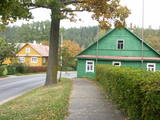 |
Palūšē atrodas nacionālā parka administrācija (izveidota neliela ekspozīcija) un tūrisma informācijas centrs, kempings, nesen atjaunotā laivu bāze un viens no biežāk apmeklētajiem parka objektiem – Palūšes baznīca (Palūšės bažnyčia), kas celta 1757. gadā. 2008. g. No dievnama apkārtnes paveras jauks skats uz Lūšu (Lūšiai) ezeru, īpaši saulrietos, kad baznīca iegūst teiksmainu nokrāsu. Blakus baznīcas žogam aug vecais Palūšes ozols. Uzskata, ka tā vecums varētu būt ~ 350 – 400 gadi. |
|
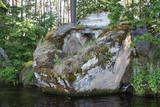 |
These are the ruins of World War II fortifications near what is now the Ķegums hydroelectric power plant. One blockhouse was found on the left bank of the Daugava River, approximately one kilometre to the South-Southeast from the plant’s dam. A second is also on the left bank of the river, opposite the Rēzijas campground. It has slid down the abraded shore of the reservoir and is partly underwater. It is mostly accessible by boat.
|
|
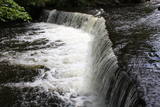 |
No vairākiem parka ūdenskritumiem noteikti ir jāapmeklē divi. 1,2 m augstais vienpakāpes Nemmeveski ir izveidojies uz Valgejegi upes (Valgejõgi), vietā kur tā šķērso Ziemeļigaunijas glintu. Šeit Valgejegi atgādina krāčainu (īpaši – pavasaros) kalnu upi, kas plūst pa vairākus metrus augstu klinšu ieskautu kanjonu. Palu laikā šo upes posmu ir iecienījuši ekstrēmie ūdenssporta veidu cienītāji. Pie ūdenskrituma un tālāk pa upi lejup redzamas ap 1920. g. celtās hidroelektrostacijas konstrukciju paliekas. |
|
 |
Das größte im Baltikum. Marathonloipe von Tartu, Wand der künstlichen Felsen und Trasse der Radmarathon. Skimuseum. Auf der Tehvandi-Sprungschanze ist ein Aussischtsplatform eingerichtet. |
|
 5 days
|
Ancient trading routes provided not just goods, but also knowledge and culture. The Light’s rout relates to the Reverent Ernst Gluck, who was a writer, the first translator of the Bible into Latvian, and a founder of Latvian children's schools, the Hernhutian movement of brothers, Kārlis Skalbe, the Kaudzīte brothers, Jānis Poruks, Antons Austriņš and their spiritual heritage. People in Vidzeme bake rye, wheat, barley, spelt and grit bread with various seeds, caraway seeds, nuts, dried fruit and hemp seeds. Hemp is used to produce traditional butter, oil and dumplings made with grey peas. It is also added to candies and even chocolate. Barley flour in the past was used only for celebrations, but today people will teach you how to use it to bake water pretzels with salt and caraway seeds. Visit farms and restored windmills to track the route of grain. Taste traditional Summer Solstice cheese, as well as Green cheese and tasty goat cheese. Pipe perch from Lake Burtnieks is a local delicacy, and you will also find trout, catfish and sturgeon, as well as crabs in season. Local meat and fowl dishes are popular, including dishes made with rabbit. Kitchens at aristocratic estates will offer wild game and pheasants with forest goodies and wild herbs. In Vidzeme you can meet the Garlic Queen, who prepares plant powders. Enjoy pies, sheet cakes, honey cakes, desserts of whipped cottage cheese, mountain ash, quince, apples, sweet cream and rye bread, as well as blackberry or apple dumplings. Slake your taste with herbal teas with honey, birch juice, berry lemonades or, if you're looking for something stronger, some tasty beer or wine. |
|
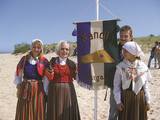 |
In a document from 1387, the village is named Minor Irva. Until the mid-20th century, Mazirbe was the largest Livonian village on the coast of Kurzeme. It was a fishing village and a centre for fishing. The village had a church, school, pharmacy, forestry company, several stores, a post and telegraph office, train station, barber shop, bakery and photo workshop, as well as a brick kiln. During the 1930s, a local fishing co-operative built a fish processing plant here. The Livonian Association was established here in 1923, and the Livonian People's Centre was opened in 1939. Oppoite the centre is the Stūrīši homestead (the home of the Taizel dynasty), where you can learn about everyday household objects and, by ordering it advance, taste local foods. The first chairmen of the Livonian Association, Kārlis Stalte and Māritņš Lepste, lived in Mazirbe. Cultural worker Kārlis Stalte (1870-1978) spent man years as the verger and organist of a church in Mazirbe. Mārtiņš Lepste was a Livonian language teacher in the 1930s. The former Maritime School building can be viewed from the outside. Some 2,000 students attended the school between 1894 and 1914. During Soviet years, the army had a base here. |
|
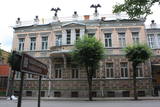 |
Atrodas Rīgas ielā 8 – skaistā, 1883. g. celtā jūgendstila ēkā . Muzejs (viens no Latgales lielākajiem un vecākajiem) tajā darbojas no 1959. g. (pats muzejs dibināts 1938. g.) un tā krājums vēsta par Daugavpils un tās apkārtnes vēsturiskajiem notikumiem. Tajā regulāri tiek rīkotas arī tematiskās izstādes, piedāvātas muzejpedagoģiskas programmas. Te vēl var apskatīt Daugavpilī dzimušā un pasaulē pazīstamā mākslinieka Marka Rotko (1903. – 1970.) gleznu reprodukcijas, kuras no 2013. gada plānots pārcelt uz M. Rotko centru Daugavpils cietoksnī. |
|
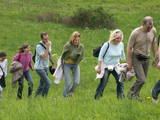 |
Dabas liegumā "Pilskalnes Siguldiņa" ir izveidota dabas taka - kājinieku tūrisma maršruts – t.s. Augšzemes ainavu taka, kas sākas Pilskalnē un beidzas pie Driģeņu mājām. Tā izlīkumo ezeru krastus, šķērso purvu (laipas). Apmeklētājiem, t.sk. arī bērniem, izveidotas arī īsākas - lokālas takas. Pieejami dažādu taku garumi: 1,6 km, 3,8 km, 8 km. |
|
 |
“Saules veltes” ir mājas vīna darītava Salaspilī, kas nodarbojas ar mājas vīnu, liķieru un degvīnu gatavošanu. Alkoholiskie dzērieni tiek ražoti no dabīgiem dārza augļiem un ogām, tostarp upenēm, avenēm, cidonijām, pīlādžiem un pat mārrutkiem. Apmeklētājiem ir iespēja aplūkot saimniecību (uzņem arī 15-20 lielas tūristu grupas), kā arī degustēt konkrētos dzērienus, kurus arī turpat ir iespējams iegādāties; piedāvājumā lieli un mazi tilpumi, dāvanu un suvenīru komplekti.
|
|
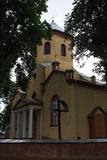 |
Atrodas Līvānu ziemeļdaļā, Baznīcas ielā 17. Dievnams uzbūvēts 1861. g. un paplašināts 1880. gadā. Pēc nopostīšanas 1. pasaules kara laikā to atjaunoja 1918. gadā. No interjera ievērības cienīgas ir ērģeles (uzstādītas 1936. g.), glezna „Svētais Jānis Kristītājs” (mākslinieks Šēnbergs) un 14 Krusta ceļa gleznas, kas ir vācu mākslinieka Fogela gleznu kopijas (19. gs. pirmā puse). Kopš 20. gadsimta sākuma bez izmaiņām ir saglabājies tikai Ostrabramas Dievmātes altāris ēkas labajā pusē. 2007. gadā nokrāsoja dievnama fasādi. Šo darbu laikā, no ēkas sienas izņēma nesprāgušu artilērijas lādiņu, kas bija iestrēdzis 1. pasaules kara laikā. |
|
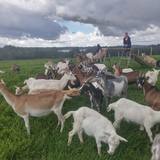 |
Santa Lasmane owns a farm near Lake Jumurda and manufactured goat’s cheese from 40 dairy goats (60 goats in all). You can buy the cheese there and at local markets. Products are delivered on demand. You can tour the farm, meeting Bonija the goat and her friends, and taste the cheese. |
|
|
|
Vecauces ev. lut. baznīca ir valsts nozīmes arhitektūras piemineklis. Baznīca pirmo reizi uzcelta kā koka būve 1667. gadā, bet pēc zibens spēriena 1729. gadā tā nodega. Mūra baznīca celta 1744. gadā, savukārt 1866.gadā Mēdemu valdīšanas laikā baznīcu paplašināja līdz 500 sēdvietām, izgatavoja jaunu altāri, kanceli un uzstādīja Liepājas ērģeļmeistara Kārļa Hermaņa būvētas ērģeles. meklētājiem piedāvā doties interesantā, izklaidējošā un informatīvā ekskursijā pa baznīcu, apskatot ekspozīciju "Auce pirmās Latvijas brīvvalsts laikā" un baznīcas bibliotēku (Baznīcas grāmatas (pirmās Latvijas brīvvalsts laiks – 1918.-40.g., vācu laiks, padomju laiks un šodiena)). Baznīcā izveidotajā Mākslas telpā apskatei tiek piedāvātas vairākas unikālas ekspozīcijas: skolotājas Jadvigas Kupčes grāmatu un personīgo lietu ekspozīcija, kantātes “Dievs Tava zeme deg” vārdu autora Andreja Eglīša ekspozīcija, izcilā flamenko ģitārista Andreja Kārkliņa un režisora Kārļa Pamšes ekspozīcijas. |
|
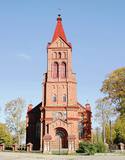 |
St. John the Baptist Roman Catholic Church of Ciskādi was built approximately in 1990. The brick building is an example of Romanesque style.
The church has a specific icon called „Madonna and the child”, crucifix and the
organ.
|
|


