
| No | Name | Description |
|---|---|---|
 2 days
|
Эта поездка на автомобиле предусмотрена для всей семьи и особенно понравится детям. Вы сможете понаблюдать за работой гончара, а также мастер с удовольствием посвятит Вас в секреты своего мастерства. Побывать в гостях у барона Мюнхаузена, знаменитого своими многочисленными приключениями. Погулять по улочкам Цесиса и отправиться дальше в крестьянское хозяйство, где разводят кроликов. Малышам особенно понравится играть с крольчатами в открытых вольерах. Хозяева оленьего питомника расскажут о жизни диких животных – оленях, кабанах. Вы сами сможете наблюдать за животными со смотровых вышек. В хозяйстве экзотических животных увидите страусов, муфлонов, пони и карликовых свиней. По пути домой рекомендуем насладиться красотами Сигулды. |
|
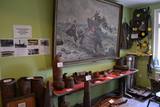 |
The museum opened in 2007 and displays a 180 mm gun barrel, reconstruction of a Soviet restricted border zone, a civil defence shelter, armoured vehicles, a border guard boat and naval mines. Exhibited in the main building are a maritime surveillance radar in its original position, various military items, “Lenin´s corner” and weapons and barracks rooms. |
|
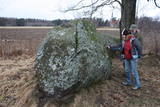 |
К северо-востоку от Мазирбской лютеранской церкви – в полемежду храмом и домом «Пакални» видны два чумных камня. На поверхности бóльшего был высечен (сейчас стерся) текст о ливах, которых одолел король Швеции Карл IX и чума. Сбоку на большой камень опирается второй (самый маленький) чумной камень, который в свое время был установлен у близлежащих домов. Стертый текст рассказывал об армиях, ходивших по Курземе, о голоде и чуме. Третий – Большой чумной камень находится заМазирбским имением священника. Высеченный на нем текст (еще немного просматривается) повествует будущим поколениям о местном священнике (умер во время чумы) и о создании пастората в Сикрагсе. Одновременно камень является памятником шести пасторам обширной окрестной общины. Все три камня повествуют о Большой эпидемии чумы 1710 года, и тексты высечены на них в период с 1711 по 1734 год. |
|
 |
Saimniecība specializējas uz dažādu dekoratīvo stādu audzēšanu nelielos apjopmos. Sezonas laikā pieejamas arī svaigas krūmmellenes, smiltsērkšķi, cidonijas, augļi un ogas. |
|
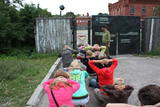 |
The Karosta prison cannot be described, it must be experienced and survived. That’s an opportunity for everyone. This is the best example in Latvia as to how the military heritage can be used for tourism purposes. Others can learn from this site. |
|
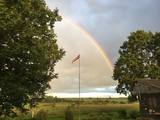 |
This farm is run by a young family which left the hurly-burly of
|
|
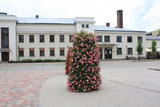 |
Old Town Square is the city’s historic centre. It was here, on February 12, 1670, that Duke Jacob of the Duchy of Courland proclaimed the establishment of a town. During the early 20th century, the square was covered in paving stones, and the city market was held there. On the sites of the square are the People’s Centre, the Unitarian Church and a tourism information centre. In the square are a water pump, an enormous scale, and a sculpture of a cougar, which is the symbol of Jēkabpils. From here you can tour the historical centre of Jēkabpils with its narrow streets and low-story buildings. |
|
 2 days
|
Gauja ir Latvijas populārākā ūdenstūristu upe. Laivotājus šeit vilina skaistie smilšakmens atsegumi, upes mierīgais tecējums, dabas un lielā kultūras pieminekļu daudzveidība. Minētajā posmā upe plūst cauri Gaujas senlejai, kas ir viena no iespaidīgākajām Baltijas reljefa formām. Maršruta tehniski sarežģītākā vieta ir Ķūķu krāces, kur nereti gadās pa kādai apgāztai laivai. Lielākais upes kritums ir posmā no Amatas ietekas līdz Līgatnei, tādēļ daudzi braucēji izvēlas Cēsu – Līgatnes posmu. |
|
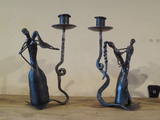 |
The smithy produces fencing, gates, wind gauges, chandeliers, household products and souvenirs. The craftsman will be happy to tell you about his work and to demonstrate his skills. |
|
 7 days
|
This study tour is designed to show Latvia's rye traditions as their central focus. This tour has been developed in cooperation with the Latvian Bakers’ Association. Rye is both the basis of the Latvian diet and a powerful symbol of Latvia's culture and culinary traditions. Itinerary emphasize traditional rye bread-baking and eating, as well as insights into the history of the rye grain from Latvia's earliest archaeological record to the present day. Itinerary include visits to working farms, grain mills and culturally and historically important locations. This study tour is designed for groups and may be adapted to the needs, interests and timeframe of each client. Tour cost includes meetings with experts, site visits and admissions, accommodations, specified meals, sightseeing, transportation within Latvia and guides-interpreters. |
|
 |
Ein einzigartiges Örtchen beiderseits des Flusses Minija, wo der Fluss eine „Hauptstraße” ist. Litauens Venedig. |
|
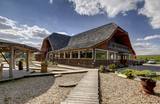 |
Lieliska vieta svinībām vai atpūtai Minijas ielejā Žemaitijā. Kafejnīca 100 pers. un konferenču zāle, kuras izvietotas 6 ha lielajā teritorijā. Spēļu laukumi gan bērniem, gan pieaugušajiem. Kanoe, burbuļvanna un pirts. Nakšņošanai viesnīcas numuriņi, koka namiņš vai 2-zvaigžņu kempings. Pieejama ēdināšana. |
|
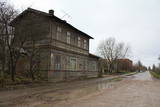 |
Taisnā Celtnieku iela ir bijušās Liepājas – Aizputes šaursliežu dzelzceļa (celta 1900. gadā, 49 km gara) līnijas „trase”, kuras malā (Celtnieku ielā 50) redzama bijusī dzelzceļa stacijas ēka. |
|
 |
Atrodas Valmieras Drāmas teātra ēkas rietumu spārnā. Piedāvā latviešu un pasaules virtuvi, svētdienās - brančus. Sadarbojas ar vietējām zemnieku saimniecībām. |
|
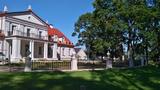 |
This mixed-type park dates back to the latter half of the 19th century and has remained all but unchanged. It is in a lovely place between two lakes, and its spatial structure was preserved when it was restored. The park covers 10 ha and has two parts. One is a fairly precisely rectangular territory alongside the state, surrounded by a stand of linden trees and introduced trees. The other part has a natural forest. The largest oak tree in the park has been declared to be a protected element of natural heritage. The mighty trunk of the tree is 6.3 m around, has a 2m diameter and stands 30.5 m high. |
|
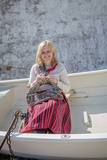 |
Elly offers home-made ice-cream, accommodation and a delicious breakfast in the morning.
|
|
 7 days
|
The most spectacular autumn events are the Crane shows which can be observed at the bogs and fields. The tour will pass several of these places. We have included different biotops in the tour- seacost, different forests, bogs and fish ponds- in order to see various bird species. |
|
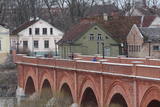 |
Kuldiga is deservedly considered the most beautiful small town of medieval times in Latvia. Instead of it already in the 13th century the Bandava centre of the ancient Cours land was located. In 1242 construction of stone castle was begun at Venta Falls by the Livonian Order. Populated area formed beside the castle, which was the first to acquire the rights of a city in Kurzeme (in 1378). Significant was also its participation in the Hanza Union. From 1561 until 1795 Kuldīga was the capital city of Kurzeme Dukedom. Naturally, in the first half of the 17th century it experienced rapid economic growth, which was terminated by the beginning of the Northern War and plague epidemic. The pride of Kurzeme residents and the lack of larger industrial objects was the reason, why during the Soviet times larger masses of immigrants did not flood the city, therefore today Kuldiga is one of the most Latvian cities in Kurzeme. It is worth to visit Kuldiga and stay there for more than one day, because there is plenty to do here. Nature fans may observe the flying fish, but for researchers of cultural history a really vast field of work opens here. |
|
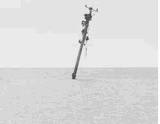 |
The Pape airfield was used for arms training in Soviet times, with bombs being dropped on specific targets. The facility is owned by the regional local government and is not used. There are sunken ships and targets in the sea.
|
|
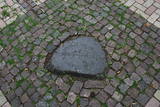 |
The Strūves Park is toward the northwest of Jēkabpils, on the left bank of the Daugava, and opposite the Ādamsona (Krustpils) island. The park was established in the 19th century as a place where the city’s residents could relax and hold celebrations. It can be said with absolute certainty that this is a place of global importance, because the park contains a memorial stone to Professor Friedrich Georg Wilhelm Struwe (1793-1864) from the University of Tartu. He was an astronomer and geodesist. The stone is at a place where Struwe completed his land survey of the Vidzeme Province of the Russian Empire. The meridian location which Struwe identified (and other points related to those locations are found in many other European countries) is on the UNESCO list of world heritage. |
|


