
| No | Name | Description |
|---|---|---|
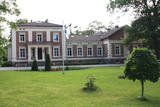 |
Atrodas Taurenē, Gaujas labajā krastā. Muižas apbūve, kurā ietilpst pils (19. gs. 80. gadi, arhitekts – R. G. Šmēlings, historisma un neoklasicisma stils), senie alus pagrabi, klēts, vecā pils un parks, veidojies 19. - 20. gs. Šobrīd muižas pilī atrodas Taurenes pagasta pārvalde un kultūras nams. Muižas kompleksā ietilpst ēka, kurā atrodas Vecpiebalgas novada tūrisma informācijas punkts un Taurenes novadpētniecības ekspozīcija (senajā ledus pagrabā). Parkā (ziemeļos no pils) uzmeklējams piemiņas akmens, kas veltīts komunistiskā terora upuriem. Pie Nēķena muižas sākās 0,4 km garā Cieres dabas taka, kas iepazīstina ar Gaujas krastu mitrājiem. |
|
 |
In Kännu Alpaca Farm you can see Peruvian alpacas, mammals with beautiful, soft coat which they are known for. While in this farm you can feed alpacas with food provided by the owners and pet them. You can also see goats, sheeps, rabbits and chickens. In the farm shop you can buy souvenirs and also products that are made of alpaca wool. Kännu Alpaca Farm is also suitable for family visits. |
|
 |
Starp cilvēku un zirgu valda īpaša saikne, ne velti zirgs cilvēkam spēj būt gan draugs, gan palīgs, gan sabiedrotais dažādās dzīves situācijās. Saimniecība “Imanti” piedāvā braucienus zirga kamanās ziemā un ratos – vasaras sezonā. |
|
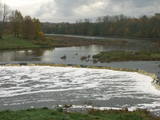 |
The recently renovated old brick bridge and the viewing area that is on the left bank of the Venta beyond the castle guard’s hut offers a lovely view of the widest and most impressive waterfall in Latvia – the Venta falls. It is worth visiting during the spring floods, when fish are migrating.
|
|
 |
The diner is found in a former church school building. Delicious dishes are made of local ecological produce; local fishermen supply the fish on the menu. Local crafts are on sale in the handicraft shop. |
|
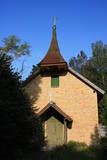 |
Atrodas Labraga – Apriķu ceļa malā. Kāds nostāsts vēsta, ka to 1896. gadā cēlis vietējais muižkungs, kurš vēlējies, lai viņa meitas laulības notiktu baznīcā. Dievnamā atrodas altārglezna "Kristus pie krusta un Sv. Marija Magdalēna", kas gleznota 19. gadsimtā (autors T. Šprengels). |
|
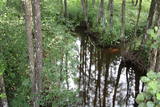 |
This territory is on both sides of the central section of the Raķupe River. On the banks of the river, there are many different meadow habitats, as well as massive oaks growing in the places of former farmsteads which are uninhabited by now. This is an important place for rare plants and animals. There is no tourism infrastructure for visitors in the area. Visitors who are especially interested in the environmental cognition are advised to visit the territory in attendance of experienced local guide. Raķupe is not usable for water tourism because of tilts of trees and beaver dams. |
|
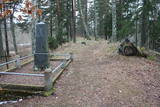 |
The Middle Ages and the beginning of the last century cemetery at the church of Mazirbe. It is surrounded by a moss-covered stone fence. There you can find a number of interesting sights-Werewolf's Tomb, Old Taizelis Tomb, Grand Pine, etc.. |
|
 |
Traķu pussalas pils austrumu mūrim pieguļ ar mežu apaudzis iespaidīgs pilskalns (uzved koka kāpnes) – t.s. Upurkalns, kurā pirms mūra pils celtniecības stāvējusi koka pils. 1779. g. dominikāņu mūki sagrautās Pussalas pils vietā uzsāka baznīcas celtniecību. Jau vēlāk – 1822. – 1823. g. vienā tās daļā uzcēla dominikāņu klosteri, bet otrā – kapelu. 1990. g. šeit izvietoja Traķu vēstures muzeja administrāciju, bet 2005. g. kapelā izveidoja Sakrālās mākslas izstādi. 2011. g. ēku kompleksā notika vērienīgi rekonstrukcijas darbi. |
|
 |
The 60 km cross-border cycling trail along the Koiva/Gauja River in Estonia and Latvia was completed in 2010. The trail begins at Tellingumäe car park, start and finish points of the trail and the border crossing site are supplied with resting areas and information boards with maps. Signposts are located at crossroads where there may be confusion for cyclists; attractions near the main route are also signposted. Information boards are provided in Estonian, Latvian and English. Tellingumäe car park is also a starting point for an 18-km cycling route. |
|
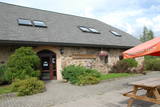 |
This saloon is located 5 km from Madona and at the edge of a highway in the forests of Smecere – the 37th kilometre of the Pļaviņas-Gulbene road. The building in which the saloon is housed was built in the 17th century, and today it is home to a modern leisure complex made up of a three-star hotel, a saloon and cafe, and a music club. |
|
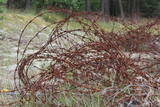 |
The former air defence missile base took up a large territory to the South of Pāvilosta in its day, but today that land has been abandoned and degraded. It can be dangerous for visitors.
|
|
 |
The town of Subate was first listed in documents in 1570, when Duke Gotthard Kettler of the Duchy of Courland sold the Subāte marketplace to Count G. Plater-Sieberg. When the Plater-Sieberg dynasty converted to Catholicism in the mid-17th century, Lutherans in Subate protested by moving to the eastern bank of Lake Subate. That was the property of the Prode Estate (only ruins remain at this time), which was owned by the Osten-Sacken dynasty. In 1685, the Osten-Sackens built a Lutheran church for the “refugees,” and Jaunsubate was established around it. Both parts of the town were merged again in 1894. During Latvia’s liberation battles in 1919, Subate was liberated by Lithuanians, at which time the town was divided up between Latvia and Lithuania (though the border between the two countries was set at the previous line in 1921). The historical centre of Subate was established between the 16th and the 19th century, and it includes four churches for various congregations and low wooden buildings which stretch along narrow and curvy streets. The town is on the shores of a sub-glacial depression with Great Lake Subate and Lesser Lake Subate therein. This provides the town with unusual landscapes for Latvia. |
|
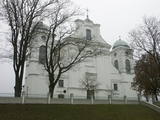 |
Dagda is mentioned in the historical sources of 17th century as a trader village. In 1772, Dagda district was included the Pskov province, but in 1802 - Vitebsk province. In 1905 widespread peasant unrest took place here, during which many important architectural monuments were destroyed. Town was not spared also by the two world wars. What's to see for the tourist here? In the centre of Dagda historical buildings - houses, built of red brick - the so-called "Jewish tradesmen houses" are preserved. Dagda is the only place in the Latvia, where every year is celebrated Anne's Day in the town's park! |
|
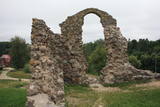 |
The Rēzekne castle hill is an impressive hillock (15 m) on the right bank of the Rēzekne River. From the 9th to the 12th century, there was a Lettigalian castle here. In 1285, the Livonian Order began to build a two-story stone castle on the site, and its ruins have survived to this very day. Alongside the castle hill is the Eastern Latvian Creative Service Centre - „Zeimuļs”, along with a tourism information centre. |
|
|
|
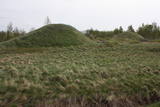
Rīgas HES komplekss ir savienots ar Doles salas austrumdaļu. Rīgas HES ir pēdējā no elektrostacijām Daugavas HES kaskādē. Tās celtniecību uzsāka 1966. g., bet pirmo hidroagregātu iedarbināja 1974. gadā, tā projektēto jaudu sasniedzot divus gadus vēlāk. Rīgas HES uzstādīti seši hidroagregāti, kuru kopējā jauda ir 402 000 kW. No Rīgas – Daugavpils šosejas (A 6) labi redzamas Rīgas HES dambis. Rīgas HES dzelmē palika daudzi kultūras un vēstures pieminekļi, t.sk. Laukskolas apmetne, kas ir vecākā zināmā cilvēku apmešanās vieta tagadējā Latvijas teritorijā. |
|
 |
The air defence radar facilities at the Liepāja airport in Cimdenieki are gone now, although the man-made terrain in the area remains interesting today.
|
|
 8 days
|
In Riga enjoy Old Town with narrow cobbled streets, Art Nouveau district, visit the Central market to catch a local spirit. Going out of Riga - visit Kemeri National Park, special for its sulphur springs. Walk Kemeri Bog Trail. Enjoy recreation centre at the lake Valgums - Bare Foot Trail, Labirintus, swimming in the lake, spa treatments and excellent restaurant. Then the route goes to the Pure Chocolate Museum and turns to the ancient Abava Valley where grapes were grown from 16th century. A little part of the historic Wine Hill is there but new gardens and wineries are developed into recent years. Visit Pedvale Open-Air Art Space and then picturesque Kuldiga with well preserved wooden architecture. At country house in Skrunda see how shitake mushrooms are grown and try some meal from them. Liepaja is vibrant city with significant military heritage now accessible for everyone, beautiful white sand beach. Special meal to try there "Liepajas mencins" (Liepaja Cod). Then there is a visit to goats farm and tasting of their produce. Walk along the steep banks of Jurkalne. Explore Ventspils with its many parks, Livonian Order Castle, promenade, breakwater, well maintained beach. The route goes to the place where the open sea meets the Gulf of Riga - Cape Kolka and then along the coast towards Riga. On the way visit fishermen at Engure. See their fish making process and try the fish . Visit historic sea and spa resort Jurmala with pretty 19th centuries villas, have a lunch at the local restaurant, specialist in potato meals. |
|
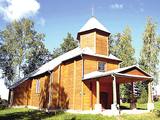 |
St. Anthony Roman Catholic Church of Pilcene (Piļcine) is the oldest wooden church in Latgale, built
in 1670. It is prominent because of its half columns, hexagonal tower, semicircular windows, and a dome
with a cross and antique interior.
|
|
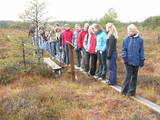 |
The tower is locatede in the Niedrāji-Pilka swamp. Access it via the old Ainaži-Valmiera-Smiltene narrow gauge rail line, which dates back to 1912, and then take the wooden footpaths which are approximately one kilometre long. This is a high-type swamp with small lakes at the foot of the tower. It is in the ZBR. |
|


