
| No | Name | Description |
|---|---|---|
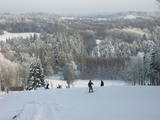 |
Gaiziņkalns Hill is the highest hill in Latvia, and it is a typical example of the hillocks of the Vidzeme highlands. This is a place of wonderful landscapes, even though there are not all that many good viewing areas. At the centre of this park is Gaiziņkalns Hill itself – the highest place in Latvia and the second highest in the Baltic States (311.6 metres above sea level). The viewing tower, alas is not open to the public, because it is in dangerous condition. There is a well-appointed hiking trail around Gaiziņkalns Hill, and during the winter the hill and its surroundings are popular for downhill and cross-country skiing. Lake Viešūrs (Lake Kaķītis) is popular among licensed fishermen. This territory is part of a region of protected landscapes around Vestiena. |
|
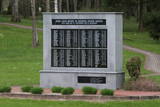 |
Late in September 1944, during World War II, the village of More was witness to some of the bloodiest and most merciless battles in Latvia – only those in the so-called “cauldron of Kurzeme” were worse. Members of the Latvian Legion who were fighting on the German side prevented the ability of the Red Army to break through to Rīga, and they also prevented the encirclement of the German military force. The result of the battle was enormously important to the more than 100,000 civilians who took the opportunity to become refugees and escape the Soviet repressions that were not far in the future. Commemorative events are held in the park each September, bringing together eyewitnesses to the battles and other. There’s a memorial wall with the engraved names of members of the Latvian Legion whose names are known, as well as a stone cross to commemorate unknown soldiers. Two kilometres to the East of the park is a museum, outside which is a Soviet army tank.
|
|
 10 days
|
The tour takes through all three Baltic States – Lithuania, Latvia and Estonia. The route visits the capital cities and some of the most attractive cities and towns in Mid - Baltics. The tour starts in Vilnius, the capital city of Lithuania. Kaunas is the second largest Lithuanian city, standing at the confluence of the Nemunas and Neris Rivers. Riga, the capital city of Latvia, offers a variety of cultural experiences and entertainment. Sigulda is famous for its landscapes and medieval castles. Cēsis is one of the most charming towns in Latvia with many attractions ranging from medieval heritage to nice restaurants, exhibitions and festivals. Valmiera offers art galleries, museums, nature trails and Valmiermuža beer from the famous local brewery. Tartu in Estonia is a university town, with some very popular tourist attractions such as the interactive AHHAA science centre, the largest in Baltic countries. Finish the tour in Tallinn – the capital city of Estonia. Tourist information centres in cities and towns will help you with maps, information on sights, attractions and guided tours, food, shopping and public transport. |
|
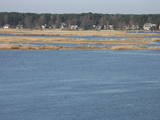 |
The restricted area protects the seashore meadows of the Lielupe River estuary, which are a very uncommon habitat in Latvia. The restricted area is on the left bank of the river, where one of the largest areas of wild swamp angelica is found. This is an important nesting area for birds. The territory is not improved for tourism, and it should be viewed from the Baltā (White) dune that is on the opposite bank of the Lielupe River. From there, the visitor will see a lovely landscape featuring the river estuary and the meadows which are around it.
|
|
 |
A legendary location which is said to have
been the site of a lake which, in 1838, was poured into the sea. When the
water was gone, remnants of ancient tree stumps and ships were found at
the bottom of the lake.
|
|
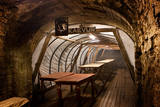 |
The most fascinating part of the Park is its underground museum. Guided underground tours take visitors to where miners used to work and rest and stored their explosives, and include a real train ride and learning about various pieces of equipment and technology. A delicious miner’s lunch can be booked in advance and enjoyed in a genuine miners´ underground canteen. |
|
 |
The saloon is on the Rīga-Liepāja highway (A9) at the 72nd km road marker. Live music evenings are organised. Latvian cuisine: Vidzeme salad, herring with cottage cheese and soured cream, grey peas with bacon, sautéed cabbage with sausages, cabbage rolls, potato pancakes, bread soup, stacked rye bread. Special foods: “4 vēji” – pork with sauerkraut and potatoes on a hot pan. |
|
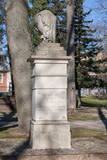 |
In 1877, Baron August von Pistohlkors, celebrating the merits of his ancestors in the foundation and development of Neibāde, ordered a monument to be erected in the park. After World War I, in the early 1930s, the monument was accidentally found during the cleaning of the bed of the River Ķīšupe. The monument was renovated by the Neibāde Aid and Improvement Society and officially reopened in 1933. The monument also suffered damage after World War II. Now the monument is restored and located in the park of the open-air stage. |
|
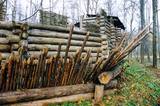 |
The artist Agris Liepiņš was the initiator of the project to recreate a 12th-century Ancient Latvian wooden castle. The building was erected in 1997 on the basis of samples from the remnants of castles found at various castle hills in Latvia. This is an idealised version of the residence of Uldevens, who was once the senior official of the Lielvārde region.
|
|
 |
This is Latvia’s largest lake island and is found in the middle of Lake Usma. The island is restricted to protect old stands of pine, as well as various plants and birds. |
|
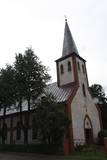 |
Atrodas pie Līvānu dzelzceļa stacijas, Dzelzceļa ielā 17. Tā kā Līvānos nebija luterāņu baznīcas, draudze dievkalpojumus noturēja ugunsdzēsēju depo. 1929. gadā ielika dievnama pamatakmeni un pēc trīs gadiem pabeidza pašas ēkas celtniecību. Saglabājušās ziņas, ka padomju laikā baznīcā bija plānots iekārtot sporta zāli un noliktavu, taču tas neticis īstenots. Jāpiemin, ka baznīca ir celta uz bijušās korķu fabrikas pamatiem. Dievnama zvana iegādei līdzekļus sarūpēja kara ministrs – ģenerālis Jānis Balodis u.c. |
|
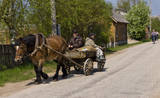 |
Old Believers, who fled persecution from the Russian Orthodox church because of their refusal to adapt to church reforms, settled down on the western shore of Lake Peipsi in the 17th and 18th centuries. |
|
 10 days
|
The tour introduces modern day life in rural Finland, Estonia and Latvia and includes visits to small farms raising livestock and producing delicious foods, and to ethnographic villages preserving the traditional lifestyle in a contemporary environment. The tour also involves sites of historical and cultural interest. |
|
|
|
1996. g. atklātais piemineklis (tēlniece: A. Veinbaha) Dagdā (starp Asūnes un Rēzeknes ielām) ir piemiņas vieta komunisma terora upuriem. No šejienes paveras labs skats uz salām bagāto Dagdas ezeru. |
|
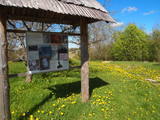 |
Latvijas un Igaunijas Neatkarības karā nenovērtējami nozīmīgas bija tieši Cēsu kaujas 1919.gada jūnijā.Atpūtas vieta-kempings "Amatas upe" ir lieciniece tieši šo un vairāku citu kara notikumu norisei - par to liecina vēsturiskie avoti muzeju arhīvos, kā arī mūsdienās redzamās aprises dabā. Par to, kur un kā sākās varoņstāsts, kas noslēdzās ar abu kaimiņtautu: igauņu un latviešu brīvību, ir iespējams uzzināt arī dažādu veidu programmās - stāstījumā par Cēsu kauju noslēpumiem un dažādu veidu pārgājienos vai izbraucienos pa galvenajām Cēsu kauju vietām, vai arī Cēsu kauju aizraujošā "izspēlēšanā". Atpūtas daļā - apmeklētājiem ir iespēja nobaudīt spēcinošu "kara zupu". Ekskursijas pa Cēsu kauju vietām-dažāda ilguma, izstrādāsim tieši jums piemērotu variantu! |
|
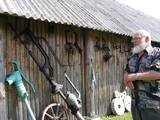 |
At a lovely place in the Gauja National Park in the Vaidava Parish, guests can examine ancient tools, mechanisms and household objects. Guides will talk about how these various items were used. There is a guesthouse for overnight accommodations, and there is room for tents and picnics.
|
|
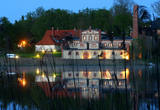 |
The renovated historic distillery at Mooste Manor (1909) is home to the Estonian Photo Tourism Centre. The guesthouse on the second floor of Mooste Distillery offers cosy rooms with all modern conveniences. |
|
 3 days
|
This tour will take you on a walk through the Curonian Spit from Nida to Smiltynė. The Curonian Spit National Park is located on a long, sand-dune spit that separates the Curonian Lagoon from the Baltic Sea coast. A sand beach of ~50 km is running on the western side of the dune spit, while the shore of the Curonian Lagoon is shallow and characteristic of ridged bays overgrown with reeds. The Baltic Coastal Hiking Route starts in the centre of Nida near the port. In Nida, it runs along the Curonian Lagoon promenade, offering beautiful views of the spacious waters. From Nida to Bulvikio Cape, the Baltic Coastal Hiking Route winds along small forest paths leading up and down pine-covered dunes; in the village of Preila, the trail runs along the promenade of the lagoon. Between Pervalka and Juodkrantė, the Baltic Coastal Hiking Route leads along a beautiful, sandy beach. You can take the Raganų kalnas (Hill of Witches) trail in Juodkrantė. The route alternates between the Baltic Sea coast, the dunes and the Curonian Lagoon until it finally reaches the ferry, which will take you to Klaipėda. |
|
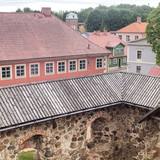 |
It is believed that at the Kezberkalnins of Limbazi has been Lemisele castle of Metsepole Liv district. It is also found in the reports that merchants travelled to this place from the sea by Svētupe and Dunezers until the 16th century. In 1223 Bishop Albert built a stone castle in Limbazi. Like Valmiera, Limbazi became the member of Hanseatic League. At the beginning of 16th century it economic role declined significantly since Svētupe and Dunezers became unusable for shipping. Between the 16th and 18th centuries, the town and its people suffered from wars, diseases and fires. As a result, the population reached its utmost fall - eight people. In the turn of 19th and 20th century and in the beginning of 20th century the economic life of the town was renewed. |
|
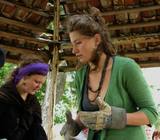 |
You can try your hand at pottery and take part in the opening of the kiln. You can also order and purchase ceramics. |
|


