
| Нo | Название | Описание |
|---|---|---|
 |
Семейное предприятие, расположенное в Яунаннинской волости Алуксненского края, которое занимается производством кулинарных и кондитерских изделий. Вкусные мясные рулеты и ролады, приготовленные по бабушкиным рецептам, другие мясные изделия в широком ассортименте, а также особые кондитерские изделия производства Gustiņš можно купить в Алуксне ‒ в «Лавке вкусов Gustiņš». В кафе Gustiņš можно отведать сытной, вкусной, действительно домашней еды и попробовать типичные для Алуксненского края блюда ‒ подав предварительно заявку. |
|
 |
Hiiu Gourmet ir mazs uzņēmums, kura mērķis ir piedāvāt produktus no vietējām izejvielām Hījumā. Izstrādājumi tiek izgatavoti ar rokām mazos daudzumos. Produktu klāstā ir mājās gatavoti sīrupi, piedevas, sinepes utt. No augiem un ogām, kas novāktas Hījumā mežos. Saimniece Heli padāvā Hījumā tradicionālā ēdiena gatavošanas meistarklases. |
|
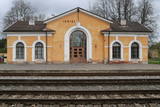 |
Ramocku stacija atklāta 1889. gadā reizē ar dzelzceļa Pleskava-Rīga atklāšanu. 1916.gadā pēc jauna dzelzceļa izbūves līdz Gulbenei, šīs stacijas nozīme ievērojami pieauga. 1918.gadā tā kļuva par divu dažādu sliežu platumu dzelzceļa iecirkņu saskares staciju. Intensīva vilcienu kustība caur šo staciju tika izvērsta Brīvības cīņu laikā. Sadursmes pie Ieriķu stacijas notika jau 1918.gada decembrī. 1919.gadā jūnijā te sākās Cēsu kaujas. Starp Cēsīm un Ieriķiem vācieši uzbruka igauņu bruņuvilcienam. Par dažādiem nopelniem Brīvības cīņu laikā Ieriķu apkaimē, vairāki karavīri saņēma apbalvojumus, arī Lācplēša kara ordeņus.1919. gadā stacija nodēvēta par Ieriķiem. Otrā pasaules kara laikā te atradās lokomotīvju depo.1953.gadā depo vietā izveidoja stratēģiskās rezerves tvaika lokomotīvju bāzi. Pēdējā tvaika lokomotīve L-3599 Ieriķu bāzi pameta 2002.gadā un tagad ir redzama kinopilsētā Cinevilla.Ieriķu stacija vairākkārt pārbūvēta.Otrā pasaules kara laikā nodedzināta pavisam. 1956.gadā uzbūvē pašreizējo ēku. |
|
 3 дня
|
This route section takes you to the Dzūkija National Park – it is among Lithuania’s most forested and desolate nature areas –, and to the town of Druskininkai – a popular SPA and mineral water health resort on the banks of the river Nemunas. When in Druskininkai, we recommend dipping yourself in mineral water baths, enjoying the trip with the cable car over the river Nemunas, visiting the musical fountain, and walking along the river promenade. The starting point of the hiking route is the village of Didžiasalis, which is reached by bus from Druskininkai. From there, the route will take you through vast coniferous forests, rich in berries and mushrooms, and small villages. As you get to Druskininkai, the Forest Trail will meander along the small streets and parks of the historic resort of Druskininkai, crossing the river Ratnyčia and the forest park on the right bank of the Nemunas valley. Leaving the resort town behind, the Forest Trail runs on the side of the village revealing you the beautiful landscapes and the view of the Liškiava monastery on the other bank of the river Nemunas. Up to the village of Žiogeliai, the route goes along forest roads and continues along the banks of the Nemunas valley, surrounded by the vast Dzūkija forests. Towards the end of the route, climb up the Merkinė Mound and it will surprise you with breathtaking views of southern Lithuania. |
|
 |
В Elly делают домашнее мороженое, а также предлагают ночлег и вкусный домашний завтрак. |
|
 1 день
|
After passing through Sigulda, the Forest Trail follows the River Vējupīte to Paradīzes Hill, where a steep staircase leads down into the ancient valley of the River Gauja and the ravine of the River Vējupīte. It continues to wind down smaller paths through meadows, crossing small rivers whose banks reveal sandstone outcrops. The last six kilometres of this section follow a smaller path down the Līgatne Nature Trails. You can see local wildlife animals and birds on this 5.5 km long trail. Further on the Forest Trail moves up the hills of the ancient valley of the River Gauja, before descending back down into the deep ravine of the River Līgatne, where the village of the former Līgatne paper mill is located. You can explore this attractive small village, visit the Līgatne spoon factory, winery and Līgatne caves. There is also the Līgatne Net Park with 4-7 m high net labyrinths among the treetops. This part of the Forest Trail and Gauja National Park is characterised by a gradual transition from diverse, deciduous forests (ash, grey alder, oak, birch, linden) to coniferous stands. |
|
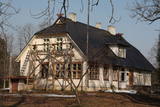 |
До наших дней сохранилось несколько строений Шлитерского хутора: дом прислуги (конец XIX в.), насосная (середина XIX в.) и коптильня (середина XIX в.), хлев и др. В 1936 году здесь построили здание лесничества (отреставрировано в 2010 г.), в которое с конца 2009 года вернулась из Дундаги администрация Слитерского национального парка - теперь Курземская региональная администрация Управления охраны природы. Напротив здания администрации растут два тиса, а разросшийся плющ обвил северную сторону стены дома прислуги. Тис обыкновенный и Балтийский плющ являются своего рода символами Шлитере, которые здесь можно увидеть и сфотографировать в одном месте, не тревожа их в естественной среде обитания. В насосной со времен Шлитерского фольварка, сохранился уникальный в масштабе Латвии колодец глубиной 34 метра (почти как высота всех Шлитерских Синих гор!), который работал до семидесятых годов ХХ столетия и снабжал водой комплекс лесничества. Каменный фрагмент обшивки колодца виднеется как часть стены насосной. Комплекс фольварка опоясывают небольшие фрагменты парка с аллеей внушительных ясеней. В свое время в одном из помещений здания лесничества ночевал после охоты K. Ульманис. |
|
 |
The Līgatne Paper Factory is located at Pilsoņu Street 1 in Līgatne. The factory was first built in place of an old paper windmill by two tradesman from Rīga who also built dormitories for residents. These structures are an important component in the urban environment of Līgatne. The rapid flow of the Līgatne River allowed the factory to produce writing paper, stationary and wrapping paper. In 1858, the factory was brought by a local nobleman who brought in new equipment from Scotland. If some 100 people worked at the factory during the first half of the 19th century, then that number rose to 600 by the end of the century and 800 at the beginning of the 20th century. Writing paper was the primary product from the factory, although there were sometimes special orders. During World War I, for instance, the factory produced paper on which the Russian military printed its maps. This allowed the factory to hold an important role in the Russian market. During the Soviet era, the factory at Līgatne produced notebooks and other products that were sent all over the USSR. Today the factory mostly produces wrapping paper of various kinds from waste paper. The Līgatne Paper Factory is the only functioning entity of its kind in Latvia, and there are guides available to give you a tour. The historical centre of the campus on which the factory sits is a cultural monument. The Līgatne Tourism Information Centre (_371-6415-3313) offers tours of the centre during which you will learn about the lives of the factory's workers and administrators in the late 19th and early 20th century. Back then there was major construction work at the factory to build residences for workers, a school, a childbirth facility, a hospital, a club, a guesthouse and other buildings which have survived to the present day. |
|
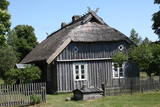 |
Один из двух в Латвии рыбацких поселков (второй Кошрагс), который до сегодняшнего времени (насколько это возможно) сохранил дыхание аутентичности. Здесь находится филиал Латвийского Этнографического музея под открытым небом «Витолниеки» с древним рыбацким двором, лодками и предметами быта, с которыми можно ознакомиться в сопровождении гида. Сейчас в поселке ведется активное строительство современных зданий, поэтому с каждым днем он теряет свою первозданность. Находитсяв Папском природном парке . |
|
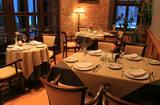 |
В историческом центре Гулбене ‒ в восстановленном здании конского манежа усадьбы Вецгулбене, который раньше являлся крупнейшим крытым манежем в странах Балтии, ‒расположена четырехзвездочная гостиница и ресторан. Посетителям предлагается обширное сезонное меню и бизнес-ланчи. Латышская кухня: Холодный летний суп, стейк из бедра барашка, маринованная нога кролика, жареная голень утки, клубничный суп с мороженым. |
|
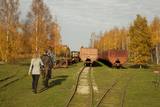 |
Sedas purva kājnieku maršruts atrodas dabas liegumā Sedas purvs, pārgājienu pa maršrutu iespējams apvienot ar Sedas pilsētas apskati, kas ir unikāls 20.gs. 50.–60. gadu pilsētbūvniecības un arhitektūras paraugs - kūdras purva strādnieku pilsēta. Maršrutam ir divi apļi - Jērcēnu aplis - 5,5 km un Sedas aplis - 4,2 km. Tajos apakatāms izstrādātais kūdras purvs, šaursliežu dzelzceļš, ritošais sastāvs, divi skatu toņi. Rudenī un pavasarī - putnu migrācijas lāikā - interesanta vieta putnu vērošanai. GPS koordinātes: Jērcēnu puses aplim: 57.7055987, 25.7001324; Sedas puses aplim: 57.6699587, 25.7514815. |
|
 |
The company has a history of more than 40 years, and today it is a competitive dairy processing company at the Baltic level, producing milk, kefir, cottage cheese, yogurt, butter, cheese and other dairy products. A store alongside the factory sells the products, and Valmieras Dairy is one of five companies in Latvia that can manufacture an EU guaranteed traditional product, "Summer Solstice Cheese". |
|
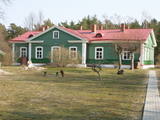 |
This is about 30 km long territory between the Baltic Sea and the Kolka-Ventspils road. It begins at the mouth of the Irbe River and ends at Ovišrags. The territory was mostly established so as to protect dry coniferous forests, grey dunes, damp areas among the dunes, other landscape features and plants and animals in the area. Distinctive landform - kangari and vigas - and grey dunes are Europe-wide significant habitat. Tourists love the sandy and quiet beaches of the area, as well as the Miķeļbāka and Ovīši lighthouses (it is possible to visit Oviši lighthouse and museum in it) and the Lutheran Church at Miķeltornis. There are also certain leftover elements of the Soviet military system, former narrow gauge railway (railway embankment, former train stations marked by memorial stones etc.) which unfortunately are not used as tourism resources. |
|
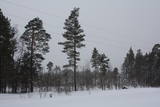 |
Between Saunags and Vaide on the road to Kolka, you will see an area on the left (South) side of the road where there was a massive forest fire in 1992 which burned approximately 3,300 hectares of forest. Biologists use the area to study the regeneration of the forest. There were extensive and destructive fires here during the early 20th century, as well. Swedish scientists say that there have been at least 15 fires in the forests of Šlītere over the last several centuries. The burned area is in a nature reserve and can only be viewed from the road. |
|
 17 days
|
This tour offers a panorama of three Baltic countries - Lithuania, Latvia and Estonia visiting the most important cities and towns. Explore the capitals and smaller towns at your own pace, travelling by train and bus. Enjoy the capitals with their vibrant rhythm, medieval Old Towns in the middle of modern cities, romantic seaside resorts and charming small towns with attractive architecture. The tour starts in Vilnius, the capital of Lithuania. Kaunas and Klaipėda are popular tourist attraction towns. The Curonian Spit is a scenic 98 km long sand-dune, a UNESCO World Heritage Site. In Latvia you’ll visit Riga, the capital, several cities with ambient historical old towns Liepāja, Ventspils, Tukums, Jūrmala, and Kuldīga Old Town that is included in the UNESCO World Heritage List of Latvia. In Estonia visit Pärnu and Haapsalu resort towns, and Tallinn, the capital. As an option you can take extra few days to visit Kuressaare which is the capital of Saaremaa island. Tourist information centres in cities and towns will help you with maps, information on sights, attractions and guided tours, food, shopping and public transport. |
|
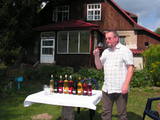 |
The owner of the guesthouse produces homemade wine from blackberries, black currants, lingonberries, oak leaves, birch sap, strawberries, gooseberries, apples, cranberries, cowslip, and 20 other raw materials. You can taste the wines, learn about how it is produced, and purchase some to take along with you. |
|
 |
Ķesteri – the home where the Liv cultural activist and organist Kārlis Stalte
(1870-1947) was born.
|
|
 |
The saloon is in the restored complex of the Smuku Estate (16th century). During the summer, meals are served on the terrace of the “Zirgu stallis” guesthouse, while during the winter, they are served alongside the fireplace in the bar. Latvian cuisine: Milk dumpling soup with dried bacon (Kurzeme lunch), herring baked on coals, stacked rye bread with whipped cream, “countryside milk bun” (fresh milk, sugar, cinnamon, berry sauce), a cheesy potato with honey-roasted pork. |
|
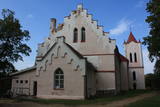 |
The Lutheran Church of St John in Aizpute is on Beidas Hill, which is near the steep river valley of the Tebra River and the Dzirnavdīķis pond which the river has created. The church is on an ancient Courlandian castle hill. The current Gothic appearance of the church dates back to 1860, when it was rebuilt. The tower dates back to 1730. This is one of the oldest churches in Kurzeme, and it features an interesting interior with many artistic monuments. |
|
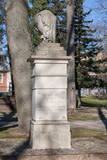 |
In 1877, Baron August von Pistohlkors, celebrating the merits of his ancestors in the foundation and development of Neibāde, ordered a monument to be erected in the park. After World War I, in the early 1930s, the monument was accidentally found during the cleaning of the bed of the River Ķīšupe. The monument was renovated by the Neibāde Aid and Improvement Society and officially reopened in 1933. The monument also suffered damage after World War II. Now the monument is restored and located in the park of the open-air stage. |
|


