
| No | Name | Description |
|---|---|---|
 |
Restaurant Ankur is a cosy place where home-made dishes are served, mostly from local products. Peipus Lake fish are of special value. There is also a hotel in the same building. |
|
 |
Saimniecība dibināta 1992. gadā. Savulaik mājās audzētas gan govis, gan cūkas, bet šķiet pats liktenis pamudinājis uz kazkopību. Saimniecība ir dēvējama par mazo - nelielo ģimenes uzņēmumu mājražošanā. Sieri Kā top siers Apmeklētājiem Kur iegādāties sierus |
|
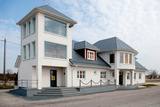 |
The Centre at Sõru harbour exhibits various vessels, smaller wooden boats are built and renovated here too. The three-masted schooner Alar is awaiting restoration. Part of the Centre complex is the Sõru Museum giving an insight into local sea-going history; workshops on coastal life and seafaring can be booked in advance. |
|
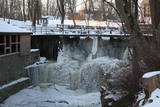 |
Atrodas pie Kuldīgas pils dzirnavām, kur straujā Alekšupīte pirms ietekas Ventā izgrauzusi dziļu „kanjonu” dolomītā. Šo dēvē par vienu no augstākajiem Latvijas ūdenskritumiem (4,15 m). 17. gs. ūdenskritumu ievērojami pārveidoja – paaugstināja un nostiprināja, lai Alekšupītes straumi izmantotu dzirnavu darbināšanai. Upītes kreisais krasts ir labiekārtots. |
|
 |
Saimniecība atrodas Kokneses novada Bilstiņos. SIA "Rīta putni" nodarbojas ar paipalu olu un gaļas delikatešu ražošanu. Reģistrēti divi zīmoli "Olalā" - paipalu olas un to produkti un "Bučers"- paipalu gaļas produkti. Saimniecībā ir veikals "BĀRS un BODE", kurā iegādāties svaigākos produktus un pavadīt mirkli ar saimniekiem un laiku ar draugiem, kā arī nogaršot paipalu olu omleti vai grilētu paipalu gaļu. Saimnieki rīko dažādas interesantas degustācijas. Ir arī dārzs ar eksotiskiem augiem un stikla siltumnīcu. Siltumnīca ir pieejama rezervācija nelielām svinībām, fotosesijai vai meistarklasēm. |
|
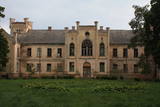 |
A very impressive ensemble that is in terrible shape. The estate dates back to the 18th and 19th century, with the castle being built in the early 19th century. Half a century later it was rebuilt in the Neo-Gothic style with symmetrical towers and bricks in the cornices. The estate belonged to the Manteufel-Stzege dynasty. The vestibule, stairwell and second floor hall still have ornamental ceiling paintings, but visitors are not allowed to enter the building, so they cannot be seen. Valuable interior design elements include a fireplace from the early 19th century that is decorated with marble elements. After the expropriation of the castle in 1920 and until 1951, the building housed a forestry school and then an agricultural crafts school. Opposite the castle was the stable of the state that was built in the style of Classicism with a pediment and mighty columns. Built in the early 19th century, the stable is no longer used and can only be viewed from the outside. A very much overgrown park surrounds the complex, and the hillock is the grave of one of the baron’s dogs.
|
|
 |
Atpūtas vieta Braslas upes krastā. Tajā ir galdi piknikam, nojumes ar galdiem, ugunskura un telts vietas. Pieejamas divas divvietīgas naktsmītnes. |
|
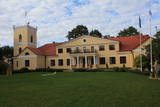 |
Atrodas 0,9 km ziemeļrietumos no Dzērbenes centra. Tagadējais muižas komplekss veidojies 14. gs. celtās un 1577. g. nopostītās mūra pils vietā. Muižas pils (18. gs. beigas, klasicisma stils) savā pastāvēšanas laikā piedzīvojusi vairākkārtīgu nopostīšanu (1905. g., Pirmajā pasaules karā) un tai sekojošu atjaunotni. 19. gs. beigās tai tapa piebūve – iespaidīgs četrstūru neogotikas stila tornis. Laikā no 1927. - 1975. g. pilī darbojās lauksaimniecības skola, tagad - Dzērbenes pagasta pārvalde, Tautas nams un mūzikas skola. Pili ieskauj parks ar septiņu dīķu kaskādi. No kādreiz iespaidīgā laukakmeņu žoga saglabājušies vien pils vārtu stabi. Dažādā stāvoklī (arī avārijas) atrodas citas muižas ēkas. 2010. gadā tika veikta pils iekštelpu un ārējās fasādes restaurācija. Iepriekš piesakoties, tiek piedāvāta gida vadīta ekskursija un piedzīvojums muižā iekārtotajā spoku kambarī. |
|
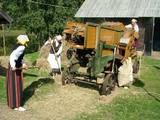 |
The 11 buildings of the museum feature farm equipment, horse-related equipment, several dozen internal combustion motors, as well as tools used by craftspeople and farmers during Latvia’s first period of independence. The annual harvest festival brings together as many as 2,000 visitors. A harvest festival features special porridge. Groups can take part in a bread programme, watching the production of bread from dough to loaf. |
|
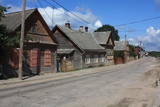 |
The wooden buildings with few floors emerged in the 19th century. Tourists can look at typical closed yards, verandas, wooden elements and decorations. The city suffered from fires in 1866 and 1938. The Market Square is the historical centre of Ludza, while the Ludza castle hill dominates the region. The streets of the city were established around the hill, which had an ancient Lettigalian wooden castle late in the 14th century. The Livonian Order replaced with the mightiest brick castle in Latgale. It was sacked in 1654 by the forces of Tsar Alexei Mikhailovich. The castle hill offers a lovely view of Latgale and the oldest city in Latvia and its historical centre. |
|
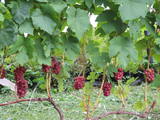 |
This is one of the largest vineyards in Latvia, with more than 50 types of grapes. The owner will take you on a tour and offer consultations about growing grapes, tastings of grapes and an ability to purchase the plants. |
|
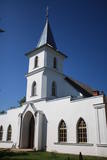 |
The Ilūkste Roman Catholic Church is to the North of Unity Square. The first stone church in Ilūkste was financed by the Plater-Sieberg dynasty of noblemen between 1754 and 1769. The current church was built in 1816. In 1861, it was taken over by the Orthodox Church, but it was returned to a Catholic congregation in 1920. The church was restored in 1921. The interior can be viewed during worship services. |
|
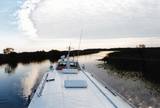 |
This is a quick boat ride from Tartu down the Emajõgi River to Piirissaare Island in Lake Peipsi (Peipsi järv). Along the lower reaches of the river are major wetlands which are of enormous importance for birds.
|
|
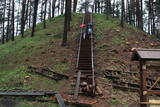 |
Viens no lielākajiem Augštaitijas pilskalniem, kas 2011. g. pēc vērienīgiem rekonstrukcijas darbiem ir izzināms jaunā kvalitātē - gan no infrastruktūras, gan arī ainaviskā viedokļa, jo iepriekš biezais pamežs (tagad retināts) traucēja uztvert iespaidīgo objektu. Arī no pilskalna plakuma paveras labs skats uz diviem blakus esošajiem ezeriem. Tā virsotnē apskatāms piemiņas akmens, kas vēsta par pirmā Lietuvas valsts prezidenta Antana Smetona (Antanas Smetona) apmeklējumu 1934. g. viņa 60 gadu jubilejā. Pilskalns it ticis apdzīvots jau I tūkstošgadē pirms Kristus. Uzskata, ka 14. – 15. gs. te atradusies hronikās aprakstītā Linkmenu pils. Jaunizveidotā taka pilskalnu savieno ar vēl vienu populāru apskates objektu – Ladakalni. |
|
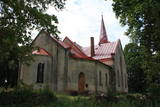 |
A bit less than one kilometre from the Aizkraukle castle hill, the church can be seen from the Rīga-Daugavpils highway (A6). The church was built in 1688 on the steep banks of the
|
|
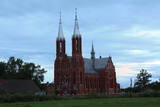 |
Церковь строилась с 1909 по 1913 год. Качество красного кирпича, используемого в строительстве храма, было плохим, поэтому с 1939 года заменено около 60 000 кирпичей! Храм считается одним из самых внушительных сакральных строений Латвии. В строительстве церкви применены декоративные элементы неоготического стиля, а в интерьере - алтарь, кафедра, хоры органа, молитвенные скамейкии изготовленные в наши дни исповедальни созданы в готических формах. Орган строился в 1931 году. Храм пострадал во время Первой мировой войны и был восстановлен в 1921 году. Осмотр церкви рекомендуется проводить в сопровождении гида. |
|
 |
Ūdensdzirnavas meklējamas Babrungas (Babrungas) ciema ceļa malā. Dzirnavu ēka ir celta 1816. g. un mūsdienās tajā iekārtota Leonarda Čerņauska (Leonardas Černiauskas) darbnīca un mākslas galerija. Tajā apskatāmas meistara gleznas, koka izstrādājumi un tuvākajā apkārtnē savāktā senlaicīgo priekšmetu kolekcija. |
|
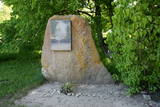 |
The memorial to Latvian President Gustavs Zemgals (1871-1939) was first installed in 1990 at the Brātiņi homestead, where he grew up. In 2016 it was moved to the Džukste memorial park. |
|
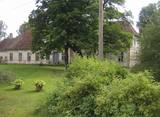 |
The historical centre of the Tāšu Estate is in the Ālande (Telse) River Valley near Lake Tāši. The current estate was built by the von Korff dynasty, and the mansion dates back to 1734. Inside there are valuable Baroque fireplaces, the main entrance portal made of sandstone from Gotland, the original stone floor in the hall, parquet and wall panels. The front door, windows, stairs and other details were installed in the early 19th century |
|
 |
1935. gadā Tūjā darbojās ķieģeļu ceplis, kas
ražošanā izmantoja apkārtnē esošās Devona perioda mālu iegulas.
1936. gadā uzsāka jaunās fabrikas celtniecību. Šeit ražoja arī augstas
kvalitātes ķieģeļus, ar kuriem tika apšūts arī Rīgas Pulvertornis. Tagad
fabrikas vietā ir pamests grausts, kas redzams no Tūjas centra, ejot jūras
virzienā.
|
|


