
| No | Name | Description |
|---|---|---|
 |
The grave of Ida Apsāne, who was known as the “moon daughter” of the great Latvian poet and playwright Rainis can be found in the old Lašu Lutheran Cemetery, which is 200 m to the North of the Lašu Lutheran Church. The text on the grave reads “Ida Marie Apsahn, b. March 23, 1867, d. April 10, 1887.” Other members of her family are also buried here. |
|
 |
Baltijas valstīs lielākie brāļu kapi, kur izveidots (1974. - 1984. g.) piemiņas memoriāls (tēlniece P. Zaļkalne, arhitekti A. Zoldners, E. Salguss un dendrologs A. Lasis) 8 ha platībā. Šeit apglabāti ~ 23 000 cīņās par Kurzemes cietoksni jeb Kurzemes katlu (1945. g. pavasaris) kritušie Sarkanās armijas karavīri. Memoriāla centrā novietots12 m augsts Mātes - dzimtenes tēls, bet uz granīta plāksnēm iegravēti kritušo vārdi, starp kuriem ir atrodami arī daudzi mūsu zemes un kaimiņvalstu dēlu vārdi un uzvārdi. |
|
 |
The potter embodies traditional pottery skills. He offers candlesticks and two-prong lighting elements, and he uses milk in his work. You can take a tour, purchase products, and take part in the opening of the kiln. |
|
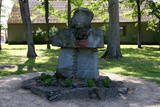 |
Found in the centre of Džūkste, the monument that was set up in 1990 was blown up in 1990, and the current one was made from the ruins of the destroyed one. The monument commemorates troops from the 19th Division of the Latvian Legion who fell during the so-called Christmas battles in 1944. |
|
|
|
In 2006, a wooden pathway was installed across the Planči swamp – 500m long, which means that the visitor will spend around 20 minutes there. This is probably the only nature trail in Latvia for which there are plans to post information in Braille for people with impaired vision.
|
|
 |
The castle hill of Rasnupļi (Opiņķi) is a significant place on the foot of the hill inhabited by ancient Latgalians.
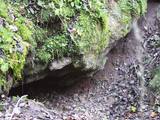
You will notice Velna ala (Devil’s cave) also called small Staburags of Latgale (ancient cult place)
in the right side of the Vīce river. It is a small natural geologically unique formation (length – 3m, width –
2m, high – 0,6m). There are only two such caves in Latvia. There are 5 – 6 m long stalactites.
|
|
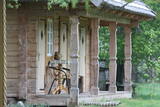 |
Ļoti skaists un ainavisks etnogrāfiskais ciems Balošas (Baluošas) ezera ziemeļu krastā, netālu no diviem iepriekš minētajiem ciemiem. Te apskatāmas interesantas un skaistas koka ēkas, kas celtas no guļbaļķiem, ar niedru vai lubiņu jumtiem un izrotātas ar dažāda veida dekoratīvajiem elementiem. Pirmo reizi rakstos Šumini minēti 1784. g. Savu vārdu ciems ieguva no kādreiz dzīvojošas ģimenes uzvārda. Kā interesantākā ir jāpiemin sena klēts. |
|
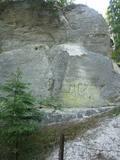 |
The Sietiņiezis cliff is on the right bank of the Gauja River between Valmiera and Jāņmuiža (follow signs along the road). There is a circular nature trail here. Sietiņiezis is one of the largest white sandstone cliffs in Latvia, up to 15 m high and around 500 metres long. There is an interesting diversity in form here, with small caves and niches, erosion-based ravines, as well as sandstone formations which are reminiscent of poles. The word "sietiņš" refers to "sieve," and the cliff is so called because bees have drilled holes into it for time eternal. From the southern part of Sietiņiezis, you can get a good look at the ancient Gauja River valley, and all around it are lovely pine forests. There is a place on the banks of the Gauja which is meant for campfires and meals. |
|
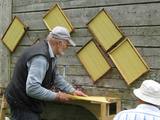 |
This farm offers tours, seminars and training for beekeepers. You can visit the bees, help to grow queen bees, produce honey and candles, and taste some of the good things that come from beehives. This educational facility will inform you about beekeeping traditions and allow you to work as a beekeeper. The owners share their knowledge during training sessions. |
|
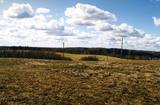 |
No ģeogrāfiskā un kultūrvēsturiskā viedokļa interesanta teritorija Latgales augstienes Rāznavas paugurainē, kuras nozīmīgākie resursi ir dažāda veida biotopi, ainavas, reljefs un Šķaunes ezers. Istras pauguraines dabas parkā nav ar tūrismu saistīti labiekārtojumi, bet šo teritoriju var apskatīt arī „no malas”, braucot pa grantēto ceļu no Soboļinas uz Osinovku, kas iet līdztekus parka ziemeļu robežai (skats uz Šķaunes ezeru).
|
|
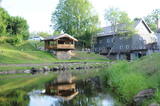 |
An old farm near the river, where water mills have been operating since 1851. |
|
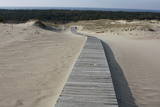 |
This is the only place in the Baltic States where there is such a vast territory of open-air sand dunes which still change the local terrain very actively because of the wind. The only Sea Museum and Dolphinarium in the Baltic States can be found here.
|
|
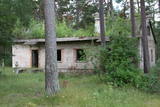 |
This is an abandoned facility that is no longer used. The coast guard facility is in the forest, around 600 metres from the sea. There is one building right on the shore.
|
|
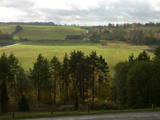 |
As you travel from Kandava to Sabile, you will find a parking lot on the right side of the road. From there, there are steps to a viewing area on the highest hill in the Abava Ancient River Valley – Greiļi Hill. This offers a wonderful view of the ancient river valley and the local mosaic of meadows and forests. The landscape is enriched by the Imula and Amula valleys that are on the other side of the ancient river valley.
|
|
 |
Boutique Hotel Altenburg mājo vairāk nekā divus gadsimtus senā koka ēkā, kas ir viena no ievērojamākajām Talsu vecpilsētas arhitektūras pērlēm. Kādreiz gandrīz pamesta un nolaista, šī ēka piedzīvojusi rūpīgu restaurāciju, atgūstot savu šarmu un vēsturisko stāju. Viesnīcas interjers ir harmonisks līdzsvars starp wabi-sabi pieeju, rustikālu eleganci un dabiskām faktūrām — te dominē koks, akmens un lins. Katrā telpas detaļā jūtama pārdomāta izvēle un cilvēciska piesaiste. Dizaina koncepciju radījis Roalds Cinis, bet apdari papildina vietējo meistaru roku darbs: “Ciparnīcas” keramikas trauki, darināti pledi un Latvijas tējas. Viesiem piedāvāti seši divvietīgi numuri, koplietošanas virtuve un mājīgs salons, kā arī klusas lasīšanas vietas ar grāmatām un mazs vīna pagrabiņš. Boutique Hotel Altenburg atspoguļo lēnās dzīves filozofiju — tā ir vieta nesteidzīgai atpūtai, klusumam un pievēršanās sev. |
|
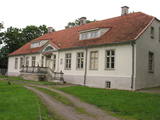 |
Muiža vēsturiskajos dokumentos pirmoreiz ir pieminēta 16. gs. Tagad redzamā vienstāva kungu māja ir vairākreiz pārbūvēta laikā no 17. – 19. gs. 1997. g. ēku vēlreiz atjaunoja un tagad tajā atrodas viesu nams un Vilsandi nacionālā parka apmeklētāju centrs, kur var iegūt ne tikai vērtīgu informāciju, bet arī apskatīt Vilsandi apkārtnē atrastās fosilijas. No Lonas muižas var uzsākt pārgājienu uz Vilsandi salu. Vienā no muižas ēkām ir izveidota Vilsandi nacionālajam parkam veltīta ekspozīcija. |
|
 4 days
|
This professional tour will look at fruit farms that selection, breed and grow breeds that are appropriate for Latvia’s weather conditions. During the introductory day, participants will tour Rīga, which is part of the UNESCO List of World Heritage, and also visit a health food store. On the second day, it is off to Kurzeme, where we will visit a farm that has developed a special technology for the processing of sea buckthorn in a way that preserves all of the vitamins and minerals that are in the berries. We will visit Wine Hill in Sabile, where grapes have been grown since the 16th or 17th century. Some 15 types of grapes that have been adapted to Latvia’s climate are grown here now. Next we will visit the Kukši Estate, which offers a look at the cultural environment of baronial estates in the 18th and 19th century. We will return to Rīga via the Jūrmala spa and have dinner at a Latvian saloon. The next morning we will travel to Vidzeme to look at a former peat swamp where large cranberries are grown now. The farm has its own processing technologies to manufacture candies, syrups, juices and teas. Next we will visit Latvia’s first blueberry farm for a tour and tastings. At the end of the day, we will visit a farm that grows cranberries and blackberries, emphasising successful and healthy food products and their marketing. On the morning of the fourth day, we will visit the Medieval Cēsis castle, which was the residence of the masters of the Livonian Order and one of the most fortified fortresses in the territory of the Baltic States. We will visit an agricultural technical school in Priekuļi to meet with faculty members. At the conclusion of the day, we will go to Ungurmuiža Estate, which is one of the most outstanding examples of 18th century Baroque wood construction in Latvia. The mansion (1732) is the only early 18th century wooden building of this type that has been preserved to this very day. |
|
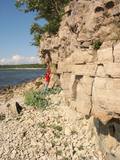 |
Nacionālā parka dienvidrietumdaļā jūrā iestiepjas Eldas pussala – skaists un ļoti omaļš ar kadiķu mežu (alvāriem) noaudzis zemes pleķītis ar interesantu jūras krastu, kur atsedzas silūra perioda nogulumieži. No pussalas gala, kurā slejas vecs Padomju armijas robežsargu tornis (apmeklējumam bīstams!), paveras visaptverošs skats uz Vilsandi salu (atpazīstama pēc bākas), Lonalaidas salu (Loonalaid) – otru lielāko Vilsandi arhipelāgā, Salavu (Salava) un citām mazākām saliņām. Dabas mīļotāji var uzmeklēt Eldas klinti (Elda pank) – ~ 2 m augstu un 0,4 km garu atsegumu, kura piekājē var atrast interesantas ūdens izskalotas fosilijas. |
|
 |
Zemnieku saimniecībā "Rudzīši" iespējams apskatīt dažādus mājputnus - vistas, tītarus, dažādu šķirņu pīles un zosis. Mini zoo mīt arī cūkas, aitas un kazas. Tiek piedāvāta izjāde ar poniju, kā arī iespēja pārnakšņot brīvdienu mājā. |
|
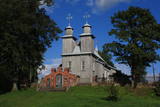 |
Одна из самых красивых деревянных церквей Южной Латгалии. Построенный из бревен и обшитый досками храм строился в период с 1750 по 1751 гг. Сохранился алтарь работы XVIII века (резьба по дереву, барокко) и проспект органа, а также более 30 предметов, имеющих художественную ценность. Во дворе церкви в XIX веке построена колокольня. В направлении озера Рушонс построен деревянный пасторат. |
|


