
| No | Name | Description |
|---|---|---|
 |
Saimniecība atrodas Kokneses novada Bilstiņos. SIA "Rīta putni" nodarbojas ar paipalu olu un gaļas delikatešu ražošanu. Reģistrēti divi zīmoli "Olalā" - paipalu olas un to produkti un "Bučers"- paipalu gaļas produkti. Saimniecībā ir veikals "BĀRS un BODE", kurā iegādāties svaigākos produktus un pavadīt mirkli ar saimniekiem un laiku ar draugiem, kā arī nogaršot paipalu olu omleti vai grilētu paipalu gaļu. Saimnieki rīko dažādas interesantas degustācijas. Ir arī dārzs ar eksotiskiem augiem un stikla siltumnīcu. Siltumnīca ir pieejama rezervācija nelielām svinībām, fotosesijai vai meistarklasēm. |
|
 |
The saloon is in the centre of Jēkabpils near the Daugava River dam. It offers exotic dishes. Latvian cuisine: Cheese salad, wild mushroom soup, ramekin of chicken or pork, strawberry soup with ice cream. |
|
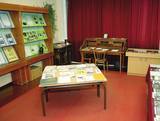 |
Local History Museum of Bērzgale was founded in 1988. There is
the memorial room of writer Antons Rupainis (1906 – 1976), the exposition of municipality history, its famous
people and cultural-historical traditions.
Working hours: Mon– Fri : 9.00 – 12.00,13.00 – 17.00, Sat., Sunday : on request |
|
 |
Atrodas Inciema centrā. Piedāvā maltīti visām ēdienreizēm. Lielas porcijas, garšīgs ēdiens. Iecienīta tuvākas un plašākas apkaimes maltītes ieturēšanas vieta. Klāj galdus. |
|
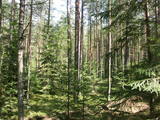 |
Ap 25 km gara un līdz 1,5 m plata vaļņveida reljefa forma Adzeles pacēluma dienvidu malā, kas apaugusi ar skujkoku mežu. Latvijā reti biotopi un nozīmīga daudzu aizsargājamu augu un dzīvnieku sugu dzīves vieta. Numerenes valni var ļoti labi "izjust", braucot pa Kārsavas - Tilžas ceļu. Dabas parkā atrodas slēpošanas kalns "Nūmerene".
|
|
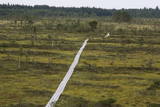 |
The tower is in the western part of the Vasenieki swamp, and an interesting nature trail with information stands and pathways was recently established there. The tower offers a look at unique swampland – visitors can survey the entire swamp. Wear proper footwear when it is damp outside!
|
|
 1 day
|
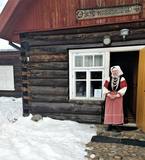
Setomaa has been inhabited for about 8,400 years, which makes it one of the oldest human settlements in Estonia. It is located on the border of Eastern and Western civilisations, bordering Russia, Latvia and Estonia. Setomaa is famous for its well-preserved traditions and culture. For centuries the local handicraft skills have been passed down within families. Seto polyphonic singing (Seto leelo) is inscribed on the UNESCO List of the Intangible Cultural Heritage of Humanity. Setos have distinctive national costumes, rich in detail and unique to each family. Perhaps most impressive is the distinctive array of Seto jewellery. These visually striking pieces not only reflect the social standing of the wearer but are also worn as a safeguard from misfortune. To this day, the Seto lifestyle remains closely tied to nature. It is common practice for the Seto not only to enjoy the natural beauty of the forest but to also use its gifts. Berries and mushrooms are picked freely in their seasons. It is best to start the tour from Võru and finish in Tartu. |
|
 |
Tiek uzskatīta par vecāko alus darītavu Ziemeļeiropā. Tā tika uzcelta 1878. gadā, un tās pirmais īpašnieks bija grāfs Emanuels fon Zīverss (Sievers), Cēsu pils muižas saimnieks. Savukārt 1922. gadā alus darītavu pārpirka Cēsu uzņēmēji un sāka tur ražot arī vīnu, sulas un minerālūdeni. Uzņēmums "Cēsu alus" šeit alu un atspirdzinošus dzērienus ražoja no 1976. līdz 2001. gadam, bet šobrīd tas ir pārcēlies uz jaunām telpām. Šobrīd ēkā tiek organizētas dažādas izstādes, kā arī ēku var apskatīt no ārpuses. |
|
 |
The Krāču hills (Krāckalni) are a series of
wavy hillocks dating back to the Litorine Sea.
There is a lovely view of Lake Lilijas from here.
Opposite the lake, on the eastern side of the
road, are dolomite stairs which lead to a
monument dedicated to 90 Latvian riflemen who
lost their lives in battles in 1917 in the region.
|
|
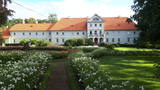 |
One of the oldest buildings at the Pope Estate is the old hunting castle that was built in 1653. The mansion was built in 1608 or 1620. The Neo-Gothic porch was added in 1840. The interiors of the mansion have been preserved since the 18th century and the 3rd quarter of the 19th century, including wood panelling, original decorated ceilings, a front door in the style of Classicism, and a Rococo stove. Sadly, one of the oldest buildings - the home of the estate's governor - burned down in 2018, but the rest of the estate did not suffer and retained its beauty. Visitors will be delighted about the aromatic garden of phloxes, as well as the impressive oak trees. Worth a look is the hillock behind the main building of the estate, near which there used to be a narrow-gauge railroad (the Pope Station). The other buildings cover a fairly extensive territory, and so it is worth spending a few hours to tour the village of Pope. The Pope Estate and its park are among the best-preserved estates in the area. Since March 1941, it has housed a school. Most of the trees in the park are common, but there are a few rare ones. |
|
 |
Vastseliina Castle dates from between the 14th and 17th centuries; during this time it was a mighty stronghold on the border between Russia and Europe and in the Middle Ages it was also a pilgrimage destination, it was destroyed in 1702 during the Great Northern War. |
|
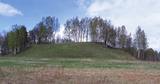 |
The castle hill of Spriņģi. It is located near Rēzekne town and it is
interesting with its peculiar shape of the ruins.Archeological monument of local significance.
|
|
 |
Drinks are made from fruits and berries grown in Kurzeme region and hand-picked. 100% handmade. Our Story Apples Ciders Visitors Where to Buy |
|
|
|
The Soviet Border Guard facility at Mērsrags was the start of the border regime zone. Absolutely nothing of the facility is left for perusal today.
|
|
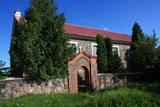 |
The Archangel Michael Catholic Church of Subate is in the historical centre of Subate. The building, which does not have a tower, was built of fieldstones in 1831, with financing from Count Mikhail Sieberg-Plater. An impressive bell tower was built in front of it. The church contains a sculptural group, “Golgotha,” from the late 18th century, along with a crucifix and a major altar relief that is made of carved wood. It is based on the globally famous Leonardo da Vinci fresco “The Holy Supper.” |
|
 |
Visitors are welcome to this ecological cattle farm to learn about its history and operations. The farm offers the "Aubraki" breed of cattle, oats, spelt and forest berries. You can buy fresh and aged beef that is ecological, as well as the berries. |
|
 |
Centre stage on the a la carte menu of the restaurant is devoted to premium quality game meat dishes. Fish lovers will enjoy just caught Siberian sturgeon in the Sangaste Loss pond, ensuring that ingredients are always fresh. Ancient cooking techniques, such as baking on a bonfire in natural smoke, are honoured. |
|
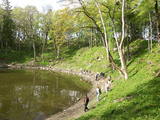 |
The biggest sea island in Estonia. In translation - "Land of The Islands". A bridge, where cyclists can drive connects Saaremaa island to Muhu island . |
|
 |
You can learn about the lives of bees and buy honey made from all kinds of flowers, propolis, propolis blankets and wax candles. Apian therapy is offered here. This is an ancient method which involves a bed under which there are beehives. The bees create warmth, vibration and a biofield. |
|
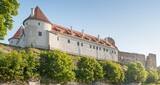 |
One of the most important military and political elements of the Livonian Order, the Bauska Castle was built between 1443 and 1456 at the place where the Mūsa and Mēmele rivers flow together. The castle had five towers and walls that were up to three metres thick. Between 1580 and 1596, the forecastle was replaced with a residence for the duke of Courland, and its walls were finished with the sgrafito technique. The castle suffered damage during wars in the 16th and 17th century, but it was always restored until 1706, when the Russian military blew it up during the Great Northern War. Today the castle houses a museum, with a viewing platform in its south-eastern tower. |
|


