
| No | Name | Description |
|---|---|---|
 |
Naukšēni Winery is an organic farm producing cider from Paradise apples. Our Story Apples Ciders For Visitors Where to Buy |
|
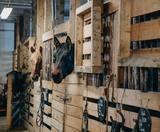 |
Vidzemē, Valmiermuižā, 19.gs. celtā ēku kompleksā, ko iekļauj mūra žogs, atrodas Valmiermuižas stallis un Valmiermuižas jātnieku skola. Tajā saimnieko Jurašu ģimene - zirgkopju, zirgu selekcionāru un vetārstu ģimene daudzās paaudzēs. Ir iespēja doties izjādēs, ekskursijās, kā arī tiek rīkotas radošās nometnes bērniem. |
|
 |
This is like a sauna village which has several saunas of different types. Visitors can rate where the steam feels the best and learn about the history of saunas. We have a cave, Finnish and Estonian saunas and a sweat lodge. |
|
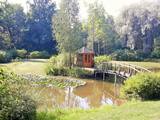 |
One of the oldest botanical parks in Lithuania, this one was opened by Izidoras Navidanskas in 1928, when he was only 16. In 1965, the park because the Žemaitija botanical park, and Navidanskas and his son, Rapolas, who is the current owner, did a lot to expand it. |
|
 |
The restaurant is on the edge of the Turaida-Ragana road. The granary was built in 2004 in line with historical traditions. It resembles the Turaida Estate granary that was built by Baron Holstein. Latvian cuisine: Smoked catfish, leg of lamb, roast veal, venison or pork, stuffed duck or goose. |
|
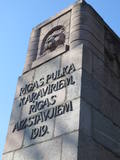 |
This is a sand dune that is covered with pines and has a monument to soldiers from Company 6 in Rīga, who defended the city in 1919. It was from this place that the soldiers went into battle against the numerically much larger army of Bermont-Avalov to liberate Rīga and its Pārdaugava neighbourhood. Created by the sculptor Kārlis Zāle, the monument features a wall facing Slokas Street that is 12 metres tall and is a depiction of the head of a lion that was once part of the gates to Rīga. The side walls on both sides have bas relief depictions of Ancient Latvians and soldiers from 1919. Atop the dune is an area with an altar, a sacrificial dish, and a memorial plaque to commemorate those who fell in battle. The monument was unveiled in 1937 by President Kārlis Ulmanis. |
|
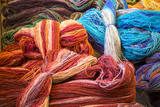 |
This is the only factory in Latvia that offers the full processing of wool, and it has been open since the late 19th century. There is a workshop in Dundaga where woollen blankets and pillows are sewn. |
|
 |
It is possible to look at African ostriches of different ages; to listen to stories about or of ostriches. It is possible to buy crafts made of ostrich feathers, skin and grease, fresh ostrich eggs. |
|
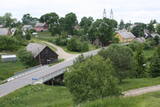 |
Pirmo reizi vēstures avotos 1253. g. šī vieta ir minēta kā kuršu apdzīvota apmetne. Laikā no 1637. – 1639. g. te uzcēla pirmās 19 kapelas – t.s. „Krusta ceļa stacijas", kas atgādināja Jeruzalemes Krusta ceļu. Kopš tā laika Žemaišu Kalvarija ir pazīstama kā nozīmīgs svētceļnieku galamērķis. Dažas no Krusta ceļa kapelām ir veidotas 17. – 18 gs., bet citas – 19. gs. Jāatceras, ka vēl pavisam nesen – Padomju laikos svētceļniekus nežēlīgi vajāja un represēja. Mūsdienās pilsētā ir izveidots 21 svētceļnieku „pieturas punkts". Te ik gadu (parasti no 2. – 12. jūlijam) notiek Žemaišu Kalvarijas katoļu draudzes svētki, kas pulcina daudz ļaužu no dažādām Eiropas valstīm. Iespaidīgā katoļu bazilika ir slavena ar Vissvētākās Jaunavas Marijas Katoļu Ģimeņu Karalienes gleznu, kas 17. gs. atvesta no Romas. Tai piedēvē brīnumdarītājas spējas. Interesants ir pilsētas ielu tīklojums, kas atgādina 9. – 13. gs. apdzīvotas vietas ielu plānojumu. Noteikti apskatāms iespaidīgais Žemaišu Kalvarijas pilskalns, kas slejas mazās Varduvas (Varduva) upītes krastā. |
|
 |
The cafe is situated in the guest house Zitari on the first floor, in the town of Roja, alongside the road, 500 m away from the sea. |
|
 |
The farm boasts one of the most attractive gardens in Viljandi County and is a feast for the eye for both seasoned gardeners and nature lovers. A footpath takes visitors from the garden to the edge of Paistu primeval valley. |
|
 2 days
|
Маршрут подходит для водных туристов, которым не нравится однообразие. Латгальские озера до сих пор остаются территорией, мало освоенной водными туристами, но очень привлекательной с точки зрения как ландшафтов, так и культурной среды. Информация о маршруте от Latvijas Lauku forums |
|
 |
Jau no seniem laikiem Cesvainē zinājuši alu, vīnu un brandvīnu. Pirmais krogs minēts jau pirms 1520.gada. Cesvaine var lepoties ar savulaik lielāko un svarīgāko krogu Vidzemē - Šļākas krogu. Barona Vulfa pils pagrabi vienmēr bijuši pilni ar labām vīna, liķiera un brandvīna pudelēm. |
|
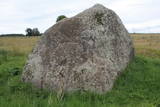 |
Atrodas 4,5 km ziemeļos no Rīgas – Daugavpils šosejas (A 6), klajā laukā (ap 3 m augsts, ainavisks). Viens no izcilākajiem Latvijas muldakmeņiem, tādēļ ir vērts izmest kādu loku. Akmens augšdaļā ir iekalts gandrīz 2 m garš un ~ 20 cm dziļš muldveida iedobums. Atrodamas ziņas, ka vēl 19. gs. vidū pie akmens ir ziedots ēdiens, monētas u.c. priekšmeti. Pie tā dedzināti ugunskuri un svinēti svētki. Teikas vēsta, ka velns muldā lējis ūdeni un gribējis mīcīt mīklu, kā arī parāvis zem akmens tuvējo māju saimnieku. |
|
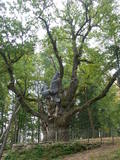 |
This is the thickest English oak (Quercus robur) in Lithuania, with a circumference of 9.4 m (as opposed to the Kaive oak in Latvia, which has a circumference of 10.18 m).
|
|
 |
Bioloģiskā saimniecība nodarbojas ar Irbeņu ogu audzēšanu un dažādu to produktu ražošanā kā pulverus, sulas, tinktūras, eļļas, sejas maskas un kapsulas. Irbene ir vērtīgs ārstniecības augs, kur izmantojamas ir pilnīgi visas tā daļas – lapas, ogas, sēklas, stumbrs, miza, sakne un ziedi. |
|
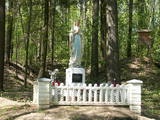 |
The castle hill of Milka is situated near Lake Sālaja and River Malta; 27m above the lake level. Local
businessman cleaned the hill and placed the statue of Mother of God there. It is a a symbol of Latgalian
strong faith into God and Virgin Mary.
|
|
 |
The café and guest house, located in the centre of Ventspils, is housed by a classical 19th century wooden building that used to belong to the Kupfer family and is listed as European Heritage. Latvian cuisine: farmer's breakfast, oat or semolina porridge, potato pancakes. |
|
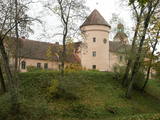 |
Every traveller in Latvia relates the name of Edole to Edole Castle. The beginning of it dates back to the middle of the 13th century, but the outbuildings of it were constructed in the 16th and 19th centuries, when patio was formed. During reconstruction of the castle implemented in the 30ies of the 19th century the facades of the castle acquired their current – Neo-Gothic appearance. From the16th century until 1920ies Edole Castle was located within the property of a baron family. In 1905 during rebellions it was burnt down, but in 1907 it was reconstructed. Many legends and ghost stories are told about Edole Castle. |
|
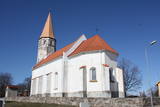 |
The Nereta Lutheran Church is in the centre of Nereta at Rīgas Street 2. The Baroque church features elements of the late Gothic period, and it is seen as one of the oldest churches in Zemgale. It was built between 1584 and 1893 at the initiative of Count Wilhelm von Effern and rebuilt in 1679. There are gravestone reliefs in the church dedicated to Wilhelm and Georg von Effern which date back to the late 16th century. The gravestone for Georg Effern is the most distinguished artwork in the style of early Nordic Mannerism in Latvia. The altar painting was painted in 1863 by P. Handler. The organ was built by R. Knauff in 1893, and the stained glass windows were produced by E. Baiermann in 1900. The chandeliers on the ceiling date back to the 17th and 19th centuries. Visitors can view Nereta and its surroundings from the unique eight-corner tower of the church, which is 38.6 m high. |
|


