
| No | Name | Description |
|---|---|---|
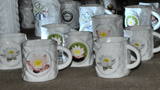 |
Since 2007, visitors have been able to tour a porcelain factory that offers an exhibition of porcelain products. You can buy souvenirs or commission special products. Children will love the porcelain painting studio that is in the mansion of the nearby Vecpiebalga Estate. |
|
 3 days
| ||
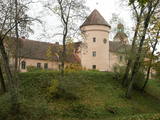 |
Every traveller in Latvia relates the name of Edole to Edole Castle. The beginning of it dates back to the middle of the 13th century, but the outbuildings of it were constructed in the 16th and 19th centuries, when patio was formed. During reconstruction of the castle implemented in the 30ies of the 19th century the facades of the castle acquired their current – Neo-Gothic appearance. From the16th century until 1920ies Edole Castle was located within the property of a baron family. In 1905 during rebellions it was burnt down, but in 1907 it was reconstructed. Many legends and ghost stories are told about Edole Castle. |
|
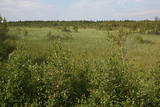 |
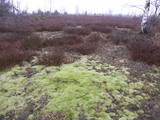
There is no need to enter the bog to see it, there are good views from the highway Ventspils – Riga (77 km, bus stop “Pagrieziens uz Elkskeni”). The main value of restricted area is chalky fen bog with brown bog-rush (greatest habitat finding in Latvia). Be careful when stopping on the highway – mind the traffic! A couple of kilometers towards Riga, on the right side of the highway, there is sign to Grizu Velna kresls ( Grizu Devil Chair) which is an attractive boulder (protected).
|
|
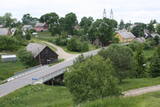 |
Pirmo reizi vēstures avotos 1253. g. šī vieta ir minēta kā kuršu apdzīvota apmetne. Laikā no 1637. – 1639. g. te uzcēla pirmās 19 kapelas – t.s. „Krusta ceļa stacijas", kas atgādināja Jeruzalemes Krusta ceļu. Kopš tā laika Žemaišu Kalvarija ir pazīstama kā nozīmīgs svētceļnieku galamērķis. Dažas no Krusta ceļa kapelām ir veidotas 17. – 18 gs., bet citas – 19. gs. Jāatceras, ka vēl pavisam nesen – Padomju laikos svētceļniekus nežēlīgi vajāja un represēja. Mūsdienās pilsētā ir izveidots 21 svētceļnieku „pieturas punkts". Te ik gadu (parasti no 2. – 12. jūlijam) notiek Žemaišu Kalvarijas katoļu draudzes svētki, kas pulcina daudz ļaužu no dažādām Eiropas valstīm. Iespaidīgā katoļu bazilika ir slavena ar Vissvētākās Jaunavas Marijas Katoļu Ģimeņu Karalienes gleznu, kas 17. gs. atvesta no Romas. Tai piedēvē brīnumdarītājas spējas. Interesants ir pilsētas ielu tīklojums, kas atgādina 9. – 13. gs. apdzīvotas vietas ielu plānojumu. Noteikti apskatāms iespaidīgais Žemaišu Kalvarijas pilskalns, kas slejas mazās Varduvas (Varduva) upītes krastā. |
|
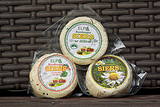 |
For more than 20 years the company has been partnering with some 100 local suppliers of milk. Its main principle is to offer healthy dairy products, including kefir, cottage cheese, cream, yogurts and soft cheese. SIA Elpa is the only dairy processing company in Southern Kurzeme that offers tours and tastings of products. Products can be bought, and during the tours, visitors can taste kefir, cheese and yogurt and help with the dairy processing process themselves. |
|
 6 days
|
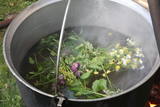
Latvians live in close connection with nature and annual circle of life. The ancient knowledge how to use the goodies of the nature is still very much alive. Wild mushroom and berry picking is very popular as well as collecting of herbs and flowers for teas and infusions. This tour is trying to give an insight of various angles how to use and enjoy nature's resources. The route goes to Kemeri National Park which is rich of flora and also interesting for its sulphur springs which water is used to improve several health related problems. Then you visit farm which specialises on herbs and teas where owner is keen to share her knowledge about different properties of the plants and how they can be used. Then there is a sightseeing at picturesque Kuldiga and proper fishermen soup on bone fire by the coast at Pavilosta. Next day short trip in the river by traditionally made fishermen boat and experience trip how to make meals using wild products. Sightseeing at Liepaja with white sandy beach and exiting military heritage. Overnight at the Pape Nature Reserve. There is a chance to fish in the lake and learn traditional fish smoking technique. Visit Rucava tradition house where you can feel and see ancient cultural environment and try typical meal. Then you visit Shitaki mushroom grower and could taste them. Afterwards visit to herbal tea growers and producers. Excursion to reproduction of ancient Semigalian Castle. Next day wild mushrooming expedition into forest awaits and preparation of collected ingredients. In the afternoon visit to the producer of products from birch juice where you could learn how to extract the juice from the birch tree and try its juice and sparkling wine. Then back to Riga. |
|
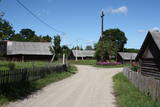 |
Musteikas pirmsākumi ir meklējami jau 18. gs. Līdz Musteikai no Marcinkones puses var nokļūt pa grantētu ceļu, kas ved gar bijušajiem kolhoza zivju dīķiem. Automašīnu var atstāt ciema sākumā un izstaigāt to ar kājām, izjūtot veco ēku smaržu un šarmu. Musteikā atrodas Dzūkijas biškopības vēsturei veltīts „dzīvs” muzejs, kur stropos dzīvo bites, bet tā saimnieks ir biškopis pēc aicinājuma un būtības. Ja palūgsiet, viņš demonstrēs – kā ar krama, metāla un posas piepes palīdzību senos laikos ieguva uguni. |
|
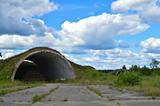 |
During Soviet times, Vaiņode was the site of one of the Soviet Union’s largest military airfields in the Baltic States. During the period of Latvia’s independence, the country’s first dirigibles were based here. Eventually their hangars were dismantled and brought to Rīga, where they were used for the Rīga Central Market. They are still there today. Some of Latvia’s first gliders took off from Vaiņode. During the Soviet occupation, the airfield was home to an air defence and destroyer squadron, with 38 SU-27 “Flanker” destroyers on site. After the restoration of Latvia’s independence, the Vaiņode airfield was dismantled in part, and the big plates of concrete that covered the runways and the rest of the airfield were used to improve the Liepāja port. There are still 16 hangars at the airport, and 1,800 of the formerly 2,500 metres long runway are also still there. More information about the airfield can be found at the Vaiņode Regional Research Museum.
|
|
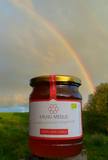 |
Possibly the highest bee apiary in the Baltics, about 300 m above sea level. Organic beekeeping products are harvested in Gaiziņkalns and its surrounding area. We offer excursions in the farm, bee apiary workshops, tasting of beekeeping products. |
|
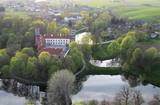 |
Gebaut in 1610, später umgebaut. Eins der hervorragenden Gebäuden Litauens der Renaissance. Eine Ausstellung der Kunstakademie Vilnius. Ein Aussichtsturm. |
|
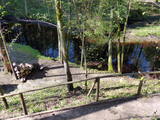 |
Pie Gārsenes pils atrodas bijušais muižas parks 4ha platībā un pie tā sākas arī Gārsenes dabas takas. Dabas takas vēsturiski tika veidotas vienlaicīgi ar pils kompleksa būvniecību un ieeja takās atrodama pie mākslīgi veidotā, ar bruģa pamatni izliktā barona peldēšanās dīķa. Takas sākumā saglabājusies ošu aleja, ko savulaik stādījis barona dārznieks, savukārt taku vidusposmā apmeklētājiem ir iespēja pasēdēt uz Barona krēsla - akmens ar cilvēku veidotu sēdvietu tajā. Kopumā Gārsenes mežā vijas dažāda garuma labiekārtotas pastaigu un izziņas takas - Kultūrvēsturiskā taka, Zaļā taka, Baronu pastaigu taka, Staburaga taka, ar ierīkotām atpūtas un ugunskuru vietām. Takās apskatāmi vairāk kā 40 unikāli dabas objekti, gan dižakmeņi, gan dižkoki, kā arī un pagasta ievērojamākie arhitektūras un kultūrvēstures pieminekļi. No 2016.gada maija Dabas takās ietilpst arī „Krēslas stundas taka”, kas īpaši patiks zinātkāriem mazajiem ceļotājiem. Taka stāsta par Rūķu dzīvi mežā un tās veidošanas pamatā ir stāsti no „Lielās Rūķu enciklopēdijas”. |
|
 |
The farm offers a look at angora rabbits, which are very uncommon in Latvia. The owner offers tours, stories, rabbit wool, wool products such as mittens and socks, breeding rabbits and consultations. Children will love the animals and can feed them in the presence of the owner. |
|
 7 days
|
Это богатый на мероприятия тур, ориентированный на семейный отдых. Запланированные мероприятия влкючают в себя катание на велосипедах, байдарках и пешие прогулки. После знакомства со Старым Городом и парками в Риге, вы сделаете остановку в Этнографическом музее под открытым небом, который дает практическое представление о жизни в старинной Латвии и ее архитектуре. В Сигулде пешая прогулка начинается у руин романтического средневекового замка и проходит вдоль долины реки Гауя к Турайдскому музею — резервату с его средневековым замком, обзорной башней, традиционными поместными зданиями и действующей кузницей, где вам понравится выковать монеты. Увлекательный сплав на байдарках от Цесиса проходит через несколько живописных прибрежных обрывов и небольших порогов, завершаясь у старомодного парома в Лигатне, который до сих пор действует ежедневно, работая от энергии течения реки. Будучи в Лигатне, прогуляйтесь по природным тропам, где сможете увидеть местных диких животных в больших вольерах, таких, как: дикие кабаны, медведи, рысь, волки и другие. Совершить «Путешествие во времени» вы сможете, отправившись на экскурсию в бывший секретный советский военный бункер, созданный на случай ядерной войны, в то время как экскурсия по средневековому Цесису и его замку Ливонского Ордена при свете фонарей предоставит вам иные исторические ощущения. Во время экскурсий дети смогут увидеть красивую природу, узнать много нового о местной флоре и фауне, заинтересоваться историей, получить полезные навыки и помимо всего прочего, им будет очень весело. |
|
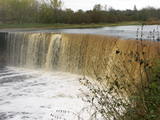 |
This is one of the greatest waterfalls in the Baltic States – 8 m high and up to 70 m wide. It is most impressive in the spring and after strong rains. The waterfall and its ~300 m canyon emerged from the limestone of the Ordovician Period. You may spot some fossils there. When the water is low, courageous people try to ford the river both above and below the waterfall. The limestone and the falling water have established a unique “tunnel” there.
|
|
 |
The steep shores of Jūrkalne are one of the most popular tourist destinations in Kurzeme. The shores are up to 20 m high, washed by the waves and mostly made of sand and narrow bands of pebbles and stones. Opposite the centre of Jūrkalne is a viewing platform and a set of stairs that lead to the sea. The shore continues in the direction of Pāvilosta and Ventspils. |
|
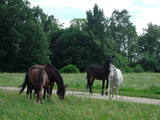 |
It is possible to look at different animals at the farm – horses, goats, rabbits, dogs, cats and marmots. It is possible to participate in farming tasks and try out farm instruments, to learn the steps of ancient dances, to walk along the animal paths and to taste pancakes baked on the open fire with goat cheese. You can also buy sauna accessories or herbal teas. |
|
 |
Kauņas jūras reģionālais parks (Kauno marių regioninis parkas) dibināts 1992. gadā. Tas ietver Nemunas HES uzpludināto posmu – lielāko Lietuvas ūdenskrātuvi no Kauņas līdz Piļonas (Piliuona) ciemam. Viena no nozīmīgākajām parka vērtībām ir ainava, kas veidojusies ilgā cilvēka un dabas mijiedarbībā. Parkā konstatētas 950 augu sugas, 600 dzīvnieku, t.sk. - 34 zivju sugas. Parka nozīmīgas dabas vērtības ir meži, augstie purvi, kadiķu audze. Parkā ir apskatāmi dažādu vēsturisko periodu liecinieki – senču pilskalni, Pažaislis klosteris, Kauņas cietokšņa Piektais forts, kā arī Rumšišķes (Rumšiškės) brīvdabas muzejs – viens no lielākajiem (195 ha) šāda veida muzejiem Eiropā. Vaišvīdavā (Vaišvydava) ir izveidots parka apmeklētāju centrs, parkā ir dabas takas, piemēram, Žiegždriai ģeoloģiskā taka un Dubravos izziņas taka. |
|
 |
Baltijas mērogā unikāls dabas un cilvēkizmantots apvidus, kas veidojies kādreiz - padomju, mūsdienās - Latvijas Nacionālo bruņoto spēku pārvaldītā armijas poligona teritorijā. Poligona lielāko daļu aizņem smilšains vai ar zemiem lakstaugiem un krūmāju apaudzis kāpu masīvs ar atsevišķiem lielākiem kāpu vaļņiem. Rudens laikā šeit lielās platībās zied virši. Unikālā virsāju un aprimušo kāpu ainava un daudzu sugu dzīves vieta bija daži no iemesliem, kādēļ šai militārai teritorijai ir piešķirts arī aizsargājamas dabas teritorijas statuss. Jāatgādina, ka poligona apmeklējumi privātpersonām bez iepriekšēja saskaņojuma ir aizliegti!
|
|
 |
The largest Japanese garden in Europe (16 ha) was established in 2007 by Japanese designer Hajime Watanabe and Dr Šarunas Kasmauskas, merging religion, art and respect for nature. |
|


