
| Нo | Название | Описание |
|---|---|---|
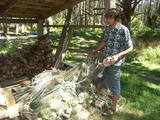 |
"Лайкас" полюбили прибрежные рыболовы Балтийского моря. В качестве улова можно поймать камбалу, треску или угря. Хозяева варят вкусную уху из морской рыбы, а также коптят рыбу. Приехавшие сюда могут принять участие в процессе приготовления рыбы. |
|
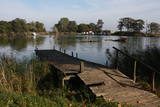 |
1855, als einen Schiffahrtsweg getieft wurde, wurde im Haff unerwartet eine Bernsteinablagerung gefundet. In der Zeit zwischen 1860 und 1890 wurde dort 2250 Tonen Bernstein gewonnen, einbezogen einzigartige Bernsteingegenstände aus der Jungsteinzeit und der Bronsezeit. |
|
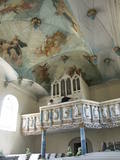 |
Церковь не без основания является одной из самых красивых церквей Курземе. Храм, который являлся родовой собственностью Остен – Сакенов возводился в XVII веке и перестраивался в 1710 году. Созданный деревянный интерьер (рококо с чертами барокко, середина XVIII века) поражает своей красотой и разнообразием. Стоит отметить ложу для господ, хоры органа (1710 г.), сам орган (1856 г.), алтарь, кафедра, скамья для исповеди (середина XVIII века) и др. Роспись потолков относится к 1744 – 1746 гг. и создавалась прусским живописцем И.Ф.Роде. Церковь можно осмотреть изнутри. |
|
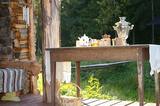 |
Впечатляющие походы Мооска – это прекрасная возможность познакомиться с культурным наследием Вырумаа: баня по-черному и обычаи ее посещения, традиционное копчение мяса зимой в бане, а летом – в выложенной камнями коптильной яме. С образом жизни южных эстонцев, связанным с природой, и с их восприятием природы Вас познакомит поход в Вяллямяэ, где проводятся также походы с тренировкой дыхания, игры по ориентированию, походы с палками и болотоступами. Оптимальный размер группы – до 12 человек. |
|
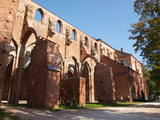 |
Eine der größten Kirchen Osteuropas (bis 16. Jh.) un die einzige mittelalterliche Kirche Estlands mit zwei Türmen. Wurde in 13. – 16. Jh. gebaut, zerstört im Laufe des Livländischen Kriegs. Im Chorteil der Kirche befindet sich das Museum der Universität Taru (früher – eine Bibliothek). Die Türme sind renoviert und in denen sind die Aussichtsplätze eingerichtet. |
|
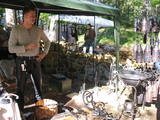 |
В мастерской кузнеца выставлены работы - фонари, подсвечники, петли, приспособления для камина, перила для лестницы, ворота, а также экспонаты 18 века. Посетители могут сами выковать гвоздь. «Проверки» молодых пар у кузнеца. Принимаются заказы. |
|
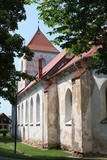 |
Atrodas Bauskas vēsturiskajā centrā, Plūdoņa ielā 13 a un ir šīs pilsētas daļas vecākā ēka. Dievnams celts 1591. - 1594. g. vēlās gotikas stilā, bet tornis piebūvēts 1614. g. Baznīcas iekšpusē atrodas nozīmīgi mākslas pieminekļi: altāris (1699. g., pārbūvēts 1861. g., mākslinieks J. Dērings), kancele (1762. g.) un ērģeļu prospekts (1766. g.) – abi Nikolaja fon Korfa dāvinājums, draudzes soli (17. gs. vidus – 18. gs. sāk.), senākais no koka veidotais Bauskas ģerboņa attēlojums (1640. g.), deviņas 16. – 17. gs. kapu plāksnes, epitāfijas u.c. Baznīca, kurā ir vērts ieiet! |
|
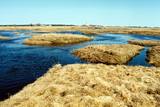 |
This is one of Estonia’s most beautiful karst fields, covering 125 hectares which feature different karst processes – subterranean streams, the dry Jõelähtme River bed, karst streams, funnels, ditches, caves, cliffs, a unique rock “mushroom,” etc. During the spring, the field is flooded, but at other times of the year, its contents are easily visible.
|
|
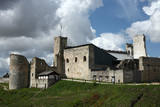 |
В замке турист оказывается в тематическом парке, представляющем жизнь и быт в замке 16-го века, где можно всей семьей провести захватывающий день, перевоплотиться в рыцарей и воинов. В замке можно покататься верхом, поупражняться в стрельбе из лука и арбалета, попробовать себя в профессиях кузнеца и плотника, чеканить монету, приготовить золото и порох. Открыты винный погреб, камера пыток, комната смерти, средневековый притон, мастерские цирюльника, алхимика, астронома. Расположенная в крепости корчма Шенкенберга предлагает блюда, приготовленные по средневековым рецептам. |
|
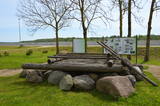 |
Находится в Плявиняс, напротив улицы Калькю на берегу Даугавы, где из бревен и камней создана символическая часть плота, т.н. пленица. В окрестностях размещены информационные стенды с фотографиями, рассказывающие о тяжелом ежедневном труде Даугавских плотовщиков по преодолению участков реки с порогами. |
|
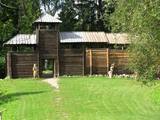 |
Холмы Кассинурме - жемчужины Вооремаа, сформированные последним ледником. В Кассинурме расположены поблизости древнее городище эстов и святое место. У подножия городища построена сцена, во дворе - качели, конические палатки, место для костра и макет городища. В Кассинурме есть природная учебная тропа и тропа реликвий и здоровья. |
|
 |
At the Žīguri Parish kindergarten, guests are offers a guided tour of forest life. The owner’s stories about the forest and its residents will be of interest to everyone. The Anna Āze Forestry Museum offers some of the true treasures of Latvia’s surprising forest world. It has been declared the best destination for families in Latvia.
|
|
 |
Находится на 22 км шоссе Рига - Лиепая (A 9). Блюда готовятся г.о. из даров леса. Интерьер выполнен в тематике охотничьего промысла. Рядом размещен загон с ланями. Латышская кухня: Жаркое из косули, жаркое из кабана, стейк из оленьего окорока, жаркое из баранины, фаршированная ручейная форель. |
|
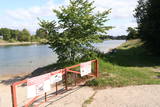 |
Канал военного порта и размещенная там база военного флота и подводная база были вырыты по приказу Российского царя еще перед Первой мировой войной. Территория подводного порта в настоящее время закрыта и используется для хозяйственных нужд. Канал военного порта просматривается со стороны улицы Пулвера и восстановленного моста Калпака.
|
|
 |
Находится на берегу древней долины Аматы. Здание построено из натуральных материалов - местных доломитовых блоков. Предлагают экологически чистую еду, выращенный на биогумусе картофель, лесные ягоды и грибы, деревенские продукты и зелень из собственного сада. Латышская кухня: Жареная и приготовленная на гриле форель, говяжий стейк, соус из боровиков и лисичек. Особое блюдо: Эглайнское воздушное пирожное из деревенских яиц и пирожное с орехами пекан с мороженым. |
|
 |
Из глины создают интересные кружки с надписями, рисунками и фигурками животных изнутри. Предлагается экскурсия, наблюдение за работой, создание мелкой пластики и надписей на посуде. Интересующиеся при помощи гипсовой формы могут выдавить маленькие фигурки животных, поработать на токарном станке и купить сувениры, а также сделать индивидуальные заказы. |
|
 |
Interesanta dažāda vecuma ēku ieskauta gājēju ieliņa (gājēju daļa ~ puskilometrs), kura var novērot pilsētas arhitektūras stilu attīstību no 17. - 20. gs. Šeit tāpat kā citur Kuldīgā var apskatīt un nofotografēt pilsētai raksturīgos virsgaismas lodziņus un greznās un daudzveidīgās ēku durvis. Te vērts pasēdēt arī krodziņā! |
|
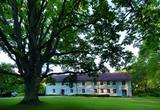 |
The first mention of Pēterupe Rectory goes back to the late 17th century. The Manor Park and the buildings have partially survived to the present day, including a linden alley at the end of Smilšu Street, planted by the pastor Jānis Neilands in 1879 and the grand oak planted by Johann Wilhelm Knierim in 1869. After the fire of 1908, the Rectory was restored and partially rebuilt. In Soviet times, the property was removed from the parish and the house was named “Līgotnes”. During German times the Rectory was occupied by legionnaires. After the war, the building of the Rectory was turned into a hospital, then into a secondary school and later it was transformed into a block of flats for teachers. Now the building again belongs to the parish and it is inhabited by a priest of the parish and his family. |
|
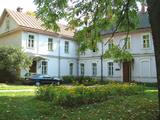 |
Усадьба Вейтко. Сохранилось новое здание, построенное в
1832 году. С 1687 по 1830 год правила семья Мантейфелей.
Теперь, с 1993 года, в усадьбе расположена служебная гостиница
Латгальской школы мастеров ремесленничества.
|
|
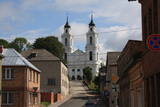 |
Первый католический костел на Храмовой горе в Лудзе был построен в 1687 году, однако он сгорел. В 1738 году в стиле барокко построили новый, который из-за роскошного интерьера считалась самым красивым деревянным храмом Латвии. Сгорел в 1938 году в большом городском пожаре. Строительство храма, который мы видим сейчас, было начато в 1939 году, а полностью закончено только в начале 90-х годов прошлого века. |
|


