
| Nr | Name | Beschreibung |
|---|---|---|
 |
Wie haben unsere Vorfahren vor 1000 Jahren gelebt? Wie waren sie gekleidet, welche Werkzeuge und Gebrauchsgüter haben sie benutzt? Antworten auf diese Fragen bekommen Sie auf Wikingerfestival, die traditionell jährlich im Juli in Kiruvere stattfindet und wo sich die Fans aus Estland, Lettland, Litauen und Finnland treffen. |
|
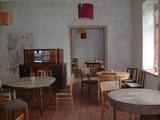 |
Die Geschichte des Gutshofes reicht bis zum 19. Jahrhundert zurück. Heute befindet sich im Gutshof eine Gaststätte, wo die nationale Küche im Ehren gehalten wird und den Gästen einfache und leckere Speisen aus lokalen Rohstoffen zu fairen Preisen anbietet. Das Menü des jeweiligen Tages finden sie auf der Homepage. Erwartet werden sowohl Durchreisende als auch Gruppen. |
|
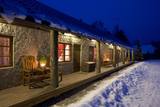 |
Der Bauernhof Luhtre wurde im Jahre 1874 errichtet und ist heute ein Ferienhof mit bequemen Speicherzimmern, Saunas und Aussenbad. Die Gäste werden mit traditionellen Speisen aus Bioküche verwöhnt. Im Museumszimmer von Luhtre wird die Geschichte des Hofes präsentiert – angefangen von der feinen Frauen- und Babykleidung bis zu Werkzeug. Alle Gegenstände erzählen Geschichten von ehemaligen Inhabern, ihren Träumen und alltägliches Leben. |
|
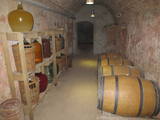 |
The shadowy cellar of the estate is a great place to hear about how homemade wine is made. You can taste rhubarb, black currant and strawberry wine along with local goodies such as cheese. Local farmers provide the ingredients for the wine. |
|
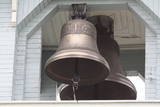 |
Das Gotteshaus ist im Jahr 1895 gebaut, aber im Jahr 1906 umgebaut worden. Auf seinem Turm befinden sich drei Glocken, die aus Silber und Kupfer gegossen sind und von denen eine zu der größten Glocke (4832 kg) in den baltischen Staaten ernannt worden ist. Neben dem Gottsehaus befindet sich ein Museum, das mit der Kultur und dem Kirchenleben der Altgläubigen bekannt macht. Dieser Ort ist einer der seltenen Orte der Altgläubigen, der öffentlich zugänglich ist. |
|
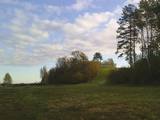 |
Īdeņa Castle mound is located near Lake Lubāns. A beautiful view
to the lake and to the marshy meadows. The place was inhabited from
the 11th century.
|
|
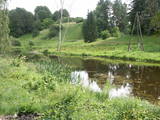 |
Die Umgebung von Tērvete ist bekannt für ihre Burghügel, die Märchenfiguren der lettischen Schriftstellerin Anna Brigadere, deren Skulpturen im Park zu finden sind, seinen alten Nadelwald, das Dendrarium, das historische Museum von Tērvete, den Aussichtsturm, die Landschaft uvm.
|
|
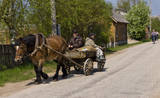 |
Im 17. und 18. Jahrhundert besiedelten die Westküste von Peipussee die Altgläubigen, die aus Russland wegen Kirchenreform flüchteten. Die Dörfer der Altgläubigen befinden sich heute kilometerlang am Ufer von Peipussee. Die rund 8 km lange Dorfstrasse (Dõrfer Kasepää, Tiheda, Kükita und Raja) reicht bis zu der Stadt Mustvee und ist heute einer der wenigsten Orten in Estland, wo die Altgläubigen leben. Strassendorf zusammen mit Gebetshäusern und Kulturerbe ist ein attraktives Ausflugsziel und bietet den Gästen stimmungsvolle Erlebnisse. |
|
 |
Ein gastfreundliches und gemütliches Café im Zentrum von Alūksne mit einer vielfältigen Küche für jeden Geschmack. Darüber hinaus werden auch Spezialitäten der Region Alūksne zubereitet: Salat „Tempelberg“, Hauptgericht „101 Stufen bis zum Genussmoment“ und Dessert „Inseln des Marienburger Sees”. Es werden Geschäftsessen und spezielle Monatsangebote sowie ein Kindermenü angeboten. |
|
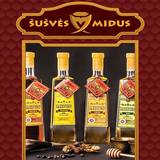 |
Der Hausherr ist Imker und stellt das älteste edle litauische Getränk her: Met. Es gibt Veranstaltungen zur Verkostung von Honig und Met. Und natürlich kann man auch die verschiedensten Bienenprodukte erwerben, darunter auch Kerzen aus echtem Bienenwachs und verschiedene Sorten Met. |
|
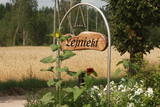 |
Ein neuer bäuerlicher Betrieb, der Käsespezialitäten herstellt und auf die Besuchergruppen wartet. Die Besucher können an der Herstellung von Käse teilnehmen, Käse verkosten und kaufen. Der Hof „Lejnieki” wurde als der gepflegteste bäuerliche Produktionsbetrieb des Gebietes Valka anerkannt. |
|
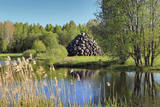 |
In den Steinen der Pyramide sind die Namen der örtlichen Häuser eingraviert. Eine 9 m hohe Anhäufung von großen Feldsteinen ist seiner Art ein Denkmal für Krišjāns Barons und seinen Erkenntnissen zum Besten des Volkes. Im Landgut von Valpene hat die Mutter von K. Barons und der künftige Sammler der lettischen "Dainas" (traditionelle lettische Volkslieder oder Gedichte) gelebt. In den Steinen der Pyramide sind die Namen der verschwundenen Häuser eingraviert. Die Richtung der Namen in der Pyramide zeigt einen Standort der ehemaligen Häuser. Der Ideenautor der Pyramide von Valpene war Imants Ziedonis, der Bildhauer – Vilnis Titāns. |
|
 |
Diese Bar befindet sich am Anfang der Fußgänger- und Radfahrerstraße von Kuldiga, in einem architektonisch interessanten zweistöckigen Gebäude aus Holz, das früher eine Kornkammer war. Lettische Küche: Bauernfrühstück, Haferflockenbrei, kalte Kefirsuppe, Ampfer-, Gurken- und Bohnensuppe, Rindfleisch in Zwiebelsoße, Jägerwürstchen, Kartoffelpfannkuchen, süße Pfannkuchen mit einer Preiselbeersoße. |
|
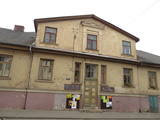 |
Saldus ist in den historischen Quellen schon im Jahr 1253 erwähnt worden. Bis zum 13. Jh. befand sich hier die alte Burg der Kuren Salden, die auch im Wappen der Stadt dargestellt ist. Um 1341 hat der Livländische Orden unweit von dem Burgberg der Kuren eine Burg gebaut, an der sich eine Siedlung herausgebildet hat. Wie andere Ortschaften von Kurland hat Saldus ihre Blütezeit während der Regierungszeit des Herzogs Jacob von 1642 bis 1682 erlebt. Als das Gründungsjahr von Saldus wird das Jahr 1856 genannt, als mit den Erneuerungsarbeiten des im Nordischen Krieg zerstörten Ortes begonnen wurde. Am Ende des Zweiten Weltkriegs ereigneten sich in der Nähe der Stadt schwere Kämpfe, aber bis zum 8. Mai 1945 blieb die Stadt in dem Teil von Lettland, der von der deutschen Armee besetzt war. Heute zieht die Stadt Saldus mit ihren Veranstaltungen – mit den Stadttagen, mit dem Musikfestival Saldus Saule (Die Sonne von Saldus), sowie mit verschiedenen Sehenswürdigkeiten an, unter denen man die Druvas pārtika AG, wo man den Prozess der Eisherstellung beobachten kann, und die Saldus pārtikas kombināts GmbH nennen kann, wo man die leckeren Bonbons Gotiņa probieren und den Herstellungsprozess beobachten kann. |
|
 |
Das größte Wissenschaftszentrum Baltikums mit Möglichkeiten, mitzuarbeiten und zu experimentieren. Ein Planetarium. |
|
 |
Piedāvā pirts rituālus ar sildīšanu un pēršanu ar slotām, kontrasta procedūrām, dažādām maskām un augu skrubjiem. Saimniecībā ražo un popularizē ārstniecības augu lietošanas tradīcijas. Piedāvājumā dažādas zāļu tējas. Atkarībā no gadalaika, iespējams baudīt un iegādāties dažādus augu sīrupus. Izgatavo zāļu paklājus pirtij. |
|
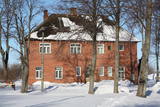 |
Der Name Ainaži ist untrennbar von der lettischen Seefahrtsgeschichte. Im Jahr 1864 wurde hier die erste Seefahrtsschule gegründet, in der auch die Kinder der lettischen Bauern lernen konnten. Es ist gesetzmäßig, dass Ainaži zu einem bedeutenden Zentrum für den Bau von Schiffen für Küstenschifffahrt und zu einem Hafen wurde. Das wirtschaftliche Leben der Stadt hat die im Jahr 1913 eröffnete Schmalspurbahnlinie Smiltene-Valmiera-Ainaži begünstigt. Heute ist die Stadt Ainaži eine kleine und stille lettische Stadt, die mit mehreren interessanten Sehenswürdigkeiten an der Grenze zu Estland liegt. |
|
 |
This is a site where you can try out ancient weapons – bows and crossbows (a reproduction of items from the 14th and 15th century), throwing an axe (replicas of German axes from the 13th century), and spears. Once you’ve learned how to handle those weapons, you can also forge a copy of a Medieval coin. You can try on copies of armoured caps and gloves and have your picture taken with a sword or battle axe. For larger groups, the enterprise will organise ancient sports and table games.
|
|
|
|
Bis 1724 gehörte das Gut damals als Vorwerk Cecina der Familie Hylzen. Nachdem die Tochter Jadvyga Jan Szadurski geheiratet hatte erscheint das Gut 1774 in Dokumenten unter dem Namen Malnava. Weiterhin gab es noch mehrere Besitzerwechsel. Das Hauptgebäude des Gutes ist im Stil des Klassizismus errichtet, teilweise mit barocken Zügen. Auf einer Seite des Gutshofes befindet sich ein Speicher, das Herrenhaus befindet sich an der Stirnseite des Hofes. Zum Zeitpunkt der Bodenreform in Lettland 1920 war das Gut Malnava mit 12.400 Heltar eines der größten Güter in Lettland. Das Gutshaus wurde im 2. Weltkrieg zerstört, zwar wurde es wiederaufgebaut, aber die Inneneinrichtung ist nicht erhalten. Von den Wirtschaftsgebäuden ist der aus der ersten Hälfte des 19. Jh. stammende klassizistische Speicher erhalten sowie einige weitere Gebäude. Das Gutsensemble wird von einem Park ergänzt, in dem jetzt immer noch einige fremdländische Bäume und Sträucher wachsen, z.B. ein Amur-Korkbaum. Es gibt auch zwei Stahlbetonbunker, wo Hitler Mal kurze Zeit anwesend war. Auf dem Territorium befindet sich auch die Schnapsbrennerei der Marke „Latgales šmakovka“, wo Besucher sich mit der Herstellung von Hochprozentigem von frühesten Zeiten bis heute bekannt machen können. |
|
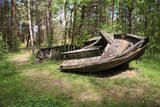 |
Dieser Friedhof hat sich in den 1960er Jahren gebildet, als die Sowjetarmee den Fischfang an der Küste einzugrenzen versuchte. Die Boote hatten mehr keine Anwendung und sie wurden in den Küstendünen abgestellt. Unterwegs zum Bootsfriedhof kann man eine große Netzscheune von außen besichtigen. |
|


