
| No | Name | Description |
|---|---|---|
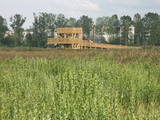 |
This is one of the most interesting protected territories in the city of Rīga, and its aim is to protect coastline biotopes – dune and coastal meadows and the birds and plants which are found there (among them, 29% of the species of orchids). There is a marked information trail with a bird-watching tower. This is the only outdoor viewing tower in Latvia that has been adapted for the needs of people in wheelchairs.
|
|
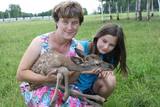 |
Some 250 deer graze on 100 ha of land in the Umurga Parish. The farm also offers a look at peacocks, rabbits, sheep, goats and a pony. Biological products are on sale, and visitors are welcome all year round.
|
|
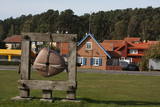 |
Old fishermen village, which was first mentioned in 1429. Before WW2 Juodkrante was popular resort in Europe and it still has its traditions nowadays. Village has an unique scenery with its wooden houses, promenade, Lutheran Church (1885), Lithuania's Art Museum Hall and much more. |
|
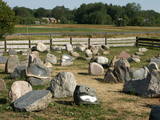 |
The craftsman produces gravestones, commemorative plaques and stone sculptures on the basis of orders from clients. He is prepared to tell you about a stonemason’s work and demonstrate his skills. |
|
 2 days
|
This part of the Forest Trail passes through the historical centre of Valmiera. In Valmiera you can visit St. Simon’s Church, the Ruins of the Livonian Order Castle and Valmiera Museum. We also suggest walking the barefoot trail in “Sajūtu Parks” (Park of Senses). After sightseeing in Valmiera, the Forest Trail goes through Atpūtas (Recreation) park, the beautiful pine forest and Baiļi winter ski centre. Further on you will walk along the River Abuls Trail, curving along the banks of the river until reaching the Brenguļi brewery built in an old Hydroelectric power plant. You can enjoy unfiltered and unpasteurised beer here. Further down you will enter unpopulated forest areas and the Northern Gauja protected landscape area. The forests in Northern Gauja (“Ziemeļgauja”) are very diverse. There are old or natural boreal (northern) forests and marsh forests, oak forests, alluvial forests (formed on river sediments which periodically flood) and mixed oak, wych elm and ash forests along the river. The tour will end in Strenči Town. |
|
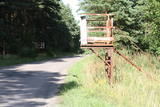 |
This facility was used in the past by communications officers, and it was also a training centre. The Ventspils Home Guard Battalion is housed here at this time. The facility is not open to civilians. Along the road there are metal structures which show where the entrance to the facility was once located.
|
|
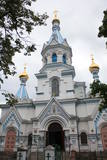 |
Atrodas t.s. Baznīcu kalnā - Tautas ielā 2. Šo uzskata par vienu no krāšņākajiem Latvijas pareizticīgo dievnamiem, kura ārējo veidolu izrotā daudzo torņu kupoli. Tā celta 1905. g. kā Dinaburgas garnizona baznīca ar daudziem nozīmīgiem mākslas pieminekļiem interjerā, t.sk. 19. gs. ikonām. Dievnams ir ikdienā atvērts un apskatāms no iekšpuses. |
|
 |
This farm grows hemp and offers information about the history of the plant and its uses in nutrition and saunas. Hemp butter, ice cream, tea and hemp milk are offered. Take a tour with degustation. |
|
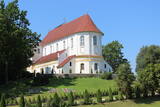 |
The Skaistkalne Roman Catholic Church is in the southern part of Skaistkalne and on the right bank of the Mēmele River valley. The Baroque church is known as the most beautiful Catholic church in Zemgale. The ornate interior and the graves of clergymen and noblemen can be toured. |
|
 |
Bioloģiskā lopkopība. Saimniecībā audzē dažādus dzīvniekus – Galoveju šķirnes liellopus, Merino aitas, kazas, muflonus, dažādus mājputnus un sliekas, kur katram dzīvniekam ir sava svarīga loma. Piedāvā dzīvnieku apskati un ieskatu bioloģiskajā saimniekošanā, atpūtu pie dabas. |
|
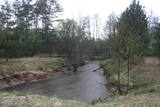 |
Nature restricted area is located to the South from former railroad Ventspils-Liepaja and includes approximately 6 km of Uzava River (and the old drainage system). The territory was used for agriculture during Soviet time, now it starts overgrow by scrubs. The protected nature values – rare bird species, including corncrakes, variety of grassland habitats and plant species. Territory is not useable for tourism activities. There is a possibility to get good insight into the North part of restricted area from the road Alsunga – Berzkalns where information stand is located.
|
|
 |
The cafe is situated in the shopping centre Talsu centrs on the 3rd floor. Free Wi-Fi available. Number of seating places: 50. Working hours: Mon-Sun: 9:00 - 21:00 |
|
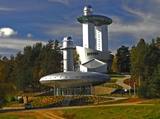 |
Das einzige Museum solcher Art im Baltikum. Das Ziel des Museums besteht darin, die Mensch(und litauisches Volk)-Kosmos-Beziehung zu zeigen. Ausbildungsprogramme, mythologische Steine. |
|
 |
Traditional Estonian food from products of organic farms Saare Ubin and Vatsliku. |
|
 |
Redzamas pa lielu gabalu Vecumnieku – Skaistkalnes un Stelpes ceļu krustojuma tuvumā. Šīs Holdandes tipa vējdzirnavas uzcēla 1903. gadā. Sākot ar 20. gs. 30. gadiem dzirnavas darbojas ar elektrības palīdzību. Līdz mūsdienām ir saglabājušies vējdzirnavu vēsturiskie mehānismi. Kādreiz daudzie vējdzirnavu stāvi bija raksturīga Zemgales vēsturiskajam novadam, ko pamatoti dēvē par Latvijas „maizes klēti”. Diemžēl līdz mūsdienām ir saglabājušies tikai daži. Šīs vējdzirnavas ir apskatāmas tikai no ceļa malas.Ap 8 km rietumos (Iecavas virziens) redzamas vēl vienas – Kāravu vējdzirnavas. |
|
 |
No 28 m augstā torņa, kas atrodas uz apdzīvotas „salas” – Siksalas Teiču purva vidū, paveras ļoti plaša augstā purva ainava ar Siksalas ezeru, citām minerālzemes salām un Siksalas mazciemu. Tā kā tornis atrodas Teiču dabas rezervātā, to var apmeklēt tikai Dabas aizsardzības pārvaldes inspektora pavadībā, iepriekš piesakot vizīti T: + 371 28333415. |
|
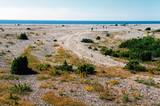 |
This is a “peripheral” island in the Bay of Finland, 9 km from the Dirhami port. The special fact about this island is that it offers fields of juniper, a rocky and grassy seashore that is around 2 km long, and limestone cliffs that are a few metres high along the northern and the eastern shores of the island. These are designated with the words Osmussaare pank.
|
|
 6 days
|
The tour passes through national parks and protected nature territories of interntional importance, following the sea shore. It also stops at small charming towns, several historic sites and traditional villages. During the tour you learn not only about rare and protected plants and local traditions but also enjoy beautiful landscapes, wilderness and solitude. At the Ķemeri National Park you will follow a fenland trail, see wild meadows and stop at a bird-watching tower beside Lake Kaņieris. Then we explore the Engure Lake Nature Park where 22 types of orchids can be found. Next day thr route heads to Slitere National Park, the former territory of the Baltic Ice Lake and Litornic Sea. You will follow the Cape Kolka pine-tree trail and Peterezers Lake trail with ancient dunes and landscape. Then head to Stiklu Bog trail, in the largest bog territory in Latvia. At Užava you will discover the largest 'grey' dune in the Baltics before following the wild banks of the River Venta and visiting the charming town of Kuldiga, with its well-preserved wooden architecture and the widest waterfall in Europe. The route follows the Abava valley created by the melting of ancient ice. At Sabile you can stop at its famous Wine Hill - location of the most northerly grown grapes from which wine is produced - and follow a botanic trail with stops at the grandest oak tree in Europe. On the way to Riga, walk 5 km long Cena Heath trail which features low, high and transit bogs and related plants. |
|
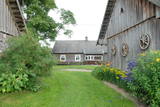 |
The “Gulbji” Selonian homestead is one of the very few places in Latvia where you can see a farm typical of the historical region of Selonia with its typical buildings. “Gulbji” is comparatively far from major roads and populated areas. It is on the so-called Dronku Island, not far from the beginning of the ancient Dviete River valley. The owners of “Gulbji” have collected a wealth of ancient household objects. Visitors can study the farm, examine a collection of medicinal plants, enjoy Selonian foods, or take a “black sauna.” It could be said that people at “Gulbji” have a natural farm which nurtures and maintains the traditions of the historical region. Latvian cuisine: Crepes, grit soup, cream of potato soup, beans sautéed in a special sauce, fruit dessert, bread soup with whipped cream, tortes, herbal teas. Special foods: Zeppelins. |
|
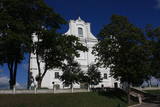 |
The first wooden Catholic church in Dagda was built in 1705, while the church that is seen today was built in the Baroque style during the latter half of the 18th century, the work financed by a local nobleman. Important interior elements include the altar, the pulpit, the organ, a monument to the Hilsen dynasty, etc. To the North of the church is historical Dagda itself, with typical red brick buildings from the early 20th century that are known as the former homes of Jewish merchants.
|
|


