
| No | Name | Description |
|---|---|---|
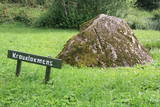 |
Rīgas – Daugavpils šosejas (A 6) malā (vietā, kur no Zemkopības institūta nogriežas ceļš uz Skrīveriem) redzama zema ieplaka ar Kraukļu akmeni, kas ir sena kulta vieta. Pie akmens veikti arheoloģiskie izrakumi, kuru laikā atrastas senlietas. Vecākā ir no 12. gadsimta. Akmens aprakstīts slavenajā Andreja Upīša (1877. – 1970.) darbā „Sūnu ciema zēni”. |
|
 |
This is like a sauna village which has several saunas of different types. Visitors can rate where the steam feels the best and learn about the history of saunas. We have a cave, Finnish and Estonian saunas and a sweat lodge. |
|
 |
Māras birzs atrodas apmēram 4 km no Īles, Zebrenes virzienā. 2012.gada pavasarī iestādītā piemiņas birzs ir biedrības „Zebrus draugi” veltījums šīs apkaimes ļaudīm un viņu dzimtajām mājām, kas pēdējā gadsimtā ir zudušas no Latvijas kartes. Valsts meža izcirtumā iestādīto jauno kļavu, liepu un ozolu birzs centrā izveidots Māras altāris – simbolisks akmeņu krāvums, kurā katrs, kas jūt piederību šim apvidum, var pievienot savu akmeni. Birzs projekta un altāra autors - V.Lukjanovs. |
|
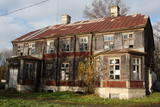 |
Kīdevas muiža rakstos ir minēta 1614. g., taču pašreiz redzamā divstāvu kungu māja, ir celta 19. gs. beigās. Ēkas sienas ir klātas ar koka šķindeļiem, kas viens otru pārklāj kā zivs zvīņas. Šāds kungu mājas sienu pārklājums Igaunijas mērogā ir unikāls. Laikā no 1919. – 1951. g. tajā atradās skola. Blakus muižai atrodas neliels parks. Diemžēl turpat pusgadsimtu ilgās pamestības rezultātā ēkas atrodas ļoti kritiskā stāvoklī. Tas ir arī pietiekams apmeklējuma iemesls. |
|
 |
The Nemuna River divides up into two large streams at its estuary at Kuršių Marios, and this has established the Rusnė Island. This is a unique environmental territory with wetlands, streams, ancient rivers, lagoon lakes and flood plains which are important places for birds to nest and rest during migration season. Vast tracts of this territory are flooded each spring. The park includes the territory to the N and W of Rusne (lagoons, swamps, fishing ponds, Kuršių Marios).
|
|
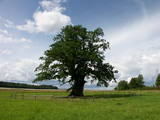 |
This is the second thickest tree in Latvia and the Baltic States. There is a large and open hole in the trunk of the tree. Like most trees of its size, it has suffered lightning damage. The tree is a wonderful part of the landscape, and a little wooden fence has been put up around it.
|
|
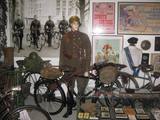 |
This collection contains bicycles from five different armies and five different eras in the history of Latvia. They include a World War I bicycle from the Russian Empire, a bicycle from the Latvian army, two World War II German bicycles, and a Monark-brand military bicycle from Sweden that was donated to the renewed Latvian army in the 1990s. The exhibition also features items that are related to the use of military bicycles – seals, awards, and information about the bicycle units of Latvia’s Home Guard.
This is the only bicycle museum in Latvia, and its exhibits are unique, as well.
|
|
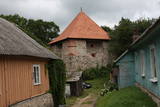 |
Pussalas pils pirmsākumi ir meklējami 14. gs. Tajā laikā minētā pils bija viena no lielākajām šāda tipa aizsardzības pilīm. Pēc Traķu un Viļņas ieņemšanas 1382. g. pils kļuva par Ķēstutu (Kęstutis) - Lietuvas dižkunigaišu dzimtas dzīves un valdīšanas vietu. 1655. g. Polijas – Lietuvas lielvalsts un Krievijas kara laikā pili nopostīja. Līdz mūsdienām no iespaidīgās celtnes (aizņēma 4 ha platību) saglabājušās tikai no laukakmeņiem celtā aizsargmūra un torņu paliekas. Tās iekšpagalmā ir apskatāma efektīvā viduslaiku ieroča – katapultas atdarinājums. |
|
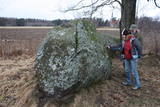 |
К северо-востоку от Мазирбской лютеранской церкви – в полемежду храмом и домом «Пакални» видны два чумных камня. На поверхности бóльшего был высечен (сейчас стерся) текст о ливах, которых одолел король Швеции Карл IX и чума. Сбоку на большой камень опирается второй (самый маленький) чумной камень, который в свое время был установлен у близлежащих домов. Стертый текст рассказывал об армиях, ходивших по Курземе, о голоде и чуме. Третий – Большой чумной камень находится заМазирбским имением священника. Высеченный на нем текст (еще немного просматривается) повествует будущим поколениям о местном священнике (умер во время чумы) и о создании пастората в Сикрагсе. Одновременно камень является памятником шести пасторам обширной окрестной общины. Все три камня повествуют о Большой эпидемии чумы 1710 года, и тексты высечены на них в период с 1711 по 1734 год. |
|
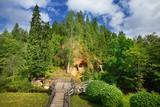 |
Klinšu smilšakmens ieži veidojušies, ūdens straumēm sanesot smilšainas, mālainas iežu daļiņas. Tās lēnām nogulsnējās un sablīvējās, topot par vareniem dabas veidojumiem! Līgatnes pagrabu alas savām rokām radījuši senie iedzīvotāji. Šī neparastā vieta ļāvusi daudzām paaudzēm izdzīvot, jo alās bija iespēja uzglabāt nepieciešamās pārtikas rezerves. Alām ir nemainīga temperatūra, kas padara tās par drošu pārtikas produktu un dzērienu glabātuvi. |
|
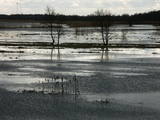 |
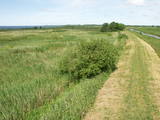
This is an open territory which is 3.5 km long and 2 km wide. It is located on the left bank of the Lielupe River between the village of Pavasari and the Odiņi homestead. The polder was established during the Soviet era to obtain farmland, and back then it was used very intensively. Today, it is slowly becoming overgrown, and despite this, this is one of the most important locations in Europe for corn-crakes. A gravel road crosses the polder from the North to the South, and this is an excellent place to hear the songs of the corn-crake. |
|
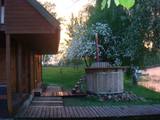 |
During warm weather, the owners of this guesthouse offer foods cooked outdoors -- plov, omelettes and pierogi. Vegetables grown at the farm are used in the dishes. |
|
 |
The café is alongside the Rēzekne castle hill and the “Zeimuļs” creative services centre of Eastern Latvia (built in September 2012). A lovely interior design and a look at historical objects form Rēzekne are part of the café. It is named after the Rositten fortress that was built here by the master of the Livonian Order in the 13th century. Meals are offered throughout the day, and various foods and baked goods are for sale. |
|
 |
A café in Baloži, located 11 km from Riga, that offers a wide range of dishes for every taste, from breakfast and snacks to a variety of main dishes, both from local and European cuisines. An especially friendly place for families with babies. |
|
 |
Ugandan Resto is a restaurant with a stylish interior, tasty food and friendly service, located in Otepää. Meals are prepared from fresh, premium local products. |
|
 |
Located in the centre of Madona, the café offers foods based on fruit and vegetables from its own garden. |
|
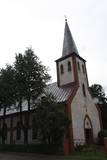 |
Atrodas pie Līvānu dzelzceļa stacijas, Dzelzceļa ielā 17. Tā kā Līvānos nebija luterāņu baznīcas, draudze dievkalpojumus noturēja ugunsdzēsēju depo. 1929. gadā ielika dievnama pamatakmeni un pēc trīs gadiem pabeidza pašas ēkas celtniecību. Saglabājušās ziņas, ka padomju laikā baznīcā bija plānots iekārtot sporta zāli un noliktavu, taču tas neticis īstenots. Jāpiemin, ka baznīca ir celta uz bijušās korķu fabrikas pamatiem. Dievnama zvana iegādei līdzekļus sarūpēja kara ministrs – ģenerālis Jānis Balodis u.c. |
|
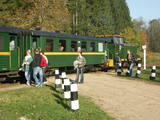 |
The narrow gauge rail line between Alūksne and Gulbene has tracks that are 750 mm wide and was once part of a rail line between Stukmaņi and Valka. Today it is the only passenger train on a narrow gauge railroad in Latvia, offering services every day. The Alūksne station was opened in 1903, and 33 km line with 10 stations and other stop scan be covered in approximately 90 minutes. A festival is held each year -- one that is very popular among fans of small trams. |
|
 |
The cafe is situated in the shopping centre Sala in Jekabpils, on the right back of the river Daugava. The cafe’s premises are comfortable and decorated with fresh flowers. It is a place where you can have either breakfast, dinner or supper. Working hours: 9.00 - 20.00 |
|
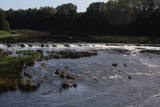 |
This is the widest water fall in Latvia – 249 metres wide and up to 1.75 metres high. This is an interesting natural, cultural and historical object in that it is linked to various events and legends. Duke Jacob of Courland invented equipment to catch fish. It was fastened to the cliffs of the waterfall, and this created the tale of a city where salmon and other fish who were leaping across the waterfall fell into the nets and were thus caught in the air. During Jacob’s rule, there was talk about digging a canal around the waterfall to ensure shipping, and work began on the project. During the early 18th century there was the idea that the Baltic Sea and the Black Sea could be connected via the Venta, Nemuna and Dnieper rivers. Turkish prisoners of war continued to dig the canal, but the local dolomite cliffs were a problem. Attempts to blow up the cliffs led to damage to nearby buildings, so the work ended. The impressive ditch can still be seen today. In 2012, a wooden pathway was installed on the right bank of the Venta to offer a good look at the waterfall. It is worth visiting here during various seasons of the year, when different types of fish migrate. |
|


