
| Нo | Название | Описание |
|---|---|---|
 |
Уютный ресторан, повара которого черпают вдохновение в местном растительном и животном царстве, предлагая посетителям насладиться забытыми вкусами в любое время года. Почетное место здесь занимают как местные блюда, так и продукты от лучших мировых мастеров. Великолепное сочетание разных вкусов и вина делает Umb Roht рестораном, в котором можно отправиться в самые разнообразные вкусовые путешествия. |
|
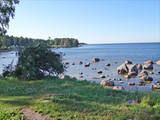 |
In 1804 Käsmu founded the first Estonian naval school and from 1798 – 1920 built more than 40 ships. Now there is a museum about seafaring. |
|
 |
Das größte Wissenschaftszentrum Baltikums mit Möglichkeiten, mitzuarbeiten und zu experimentieren. Ein Planetarium. |
|
 |
Место в центре Тарту, где можно попробовать небольшие легкие закуски типа fish & chips, приготовленные из продуктов, полученных в окрестностях озера Пейпус. В небольшом магазинчике кулинарные традиции окрестностей Пейпуса органично соединяются с принципами современного кулинарного искусства, при этом для приготовления блюд используются только самые лучшие местные продукты. Огромной популярностью среди гостей пользуются приготовленные из филе судака fish & chips, сочный бургер и врап (разновидность буррито). |
|
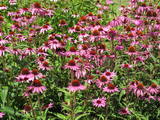 |
В хозяйстве производят и популяризируют традиции употребления лечебных растений. Предлагают дегустацию и приобретение травяных чаев, великолепно объединяя все это с целебной баней. В предложении: баня, коллекция лекарственных растений, обучение здоровому образу жизни и применению растений. |
|
 |
Хозяйство расположено вблизи города Зилупе. Под открытым небом выращиваются дыни, арбузы, тыквы. Хозяин – один из немногих в Латвии мастеров по плетению из бересты, хозяйка происходит из старинного рода садоводов и является дипломированным дизайнером-флористом, а их сын – гончар. Все ремесленники также проводят мастер-классы, творческие мастерские и принимают заказы. |
|
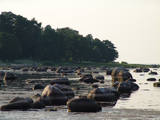 |
Береговые образования древней стадии Балтийского моря – Литоринового моря – в природе проявляются небольшим и пологим обрывистым берегом, образовавшимся примерно 4500 – 5000 лет назад. Материал береговых отложений – галька и гравий – содержат богатейший комплекс остатков фауны, характерный для Литоринового моря. Лучше всего обрыв древнего моря можно проследить возле хутора «Добели» в Калтене. Обрыв древнего берега в Калтене вляется одним из немногих участков на побережье Рижского залива, где во времена Литоринового моря был абразионный берег. Мелкие морские заливы полюбили птицы, которые здесь кормятся и отдыхают во время миграций. (Источник: Ройский ТИЦ) |
|
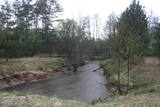 |
Nature restricted area is located to the South from former railroad Ventspils-Liepaja and includes approximately 6 km of Uzava River (and the old drainage system). The territory was used for agriculture during Soviet time, now it starts overgrow by scrubs. The protected nature values – rare bird species, including corncrakes, variety of grassland habitats and plant species. Territory is not useable for tourism activities. There is a possibility to get good insight into the North part of restricted area from the road Alsunga – Berzkalns where information stand is located.
|
|
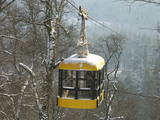 |
The aerial tram across the Gauja is the only vehicle of its type in the Baltic States. It was installed in 1969 with the help of engineers from Georgia. The crossing is 1060 m long, and the cable which crosses the river is just one cable without any supports. The tram rides about 40 metres above the river, and it offers an outstanding look at the local landscapes. During the evening, the tram is used by Bungee jumpers. |
|
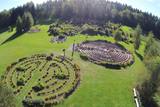 |
This park has five labyrinths with decorative plants, flowers and various kinds of medicinal plants. The longest path in the labyrinth is 1.7 km long. The total distance of the paths is 4.5 km. The park has three geometric figures -- a cupola, a mandala and a Merkabah. |
|
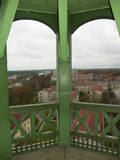 |
From the tower of St Simon’s Lutheran Church, you can see the central part of Valmiera and the banks of the Gauja River. During clear weather, you can see Zilaiskalns Hill. The church contains some cultural and historical treasures, as well as one of Latvia’s most resonant pipe organs.
|
|
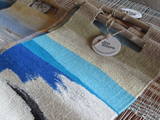 |
The artist’s workshop is in a lovely single family farm. She weaves tapestries, allows visitors to watch her at work, accepts commissions for tapestries, and sells finished ones. Many of her artworks are practical souvenirs or could be fine gifts for others. |
|
 |
The craftsman offers useful household products such as terrines, pots to make pickles, dishes of sugar and salt, bowls, etc. You can learn about pottery traditions and watch as the kiln is opened. |
|
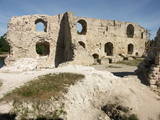 |
The ruins of the Koknese Castle are found where the Daugava and Pērse rivers flow together. The castle, which is on a floodplain, was built for the bishopric of Rīga in 1209, and it replaced an ancient Latvian castle that was made of wood. The castle was blown up by Saxon forces in 1701. A visitors centre is near the ruins, and there you can carve a Medieval coin or rent a boat to sail down the Daugava. Make sure to stroll through the Koknese park, which is alongside the ruins. |
|
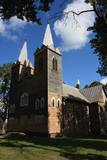 |
В1699 в центре Нюкши Пасиенские доминиканские монахи построили часовню, на месте которой в 1765 году помещик Хилзен возвел новую церковь. Помещения были маленькие, и в 1922 - 1926 гг. на фундаменте старой церкви строится новая и большая – теперешняя церковь, которую называют одним из самых красивейших деревянных храмов Латгалии. В здании находится центральный алтарь работы второй четверти XVIII века и два боковых алтаря работы примерно 1700 г. Церковь можно осмотреть изнутри. |
|
 |
A small town on the way from Riga to Bauska. Town's name is first mentioned in written sources in 1492. Here you can see Lutheran Church and former Manor Park |
|
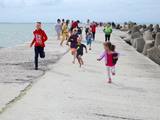 |
The Northern breakwater of Liepāja is located n the Karosta area of the town. It offers a lovely place for perambulations, as well as an opportunity to observe the sea. To the South of the breakwater you will find a fine view of the Liepāja Freeport and its system of breakwaters. To the East is the unique Karosta area, while to the North, there are remnants of a sea fort. Please be very careful while observing the sea, however – the surface of the breakwater is not in great shape.
|
|
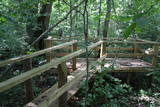 |
Informatīvi bagāta un interesanta dabas izziņas taka, kas ved pa Gaujas tuvumā esošajiem krasta biotopiem – boreāliem mežiem, nogāžu mežiem, gar vecupi, jauktiem lapu koku un platlapju mežiem, kā arī parkveida ozolu pļavām. Ziemeļgaujas aizsargājamo ainavu apvidū esošie meži ir vieni no sugām daudzveidīgākajiem Latvijā. Taka ir marķēta, izveidotas skatu platformas, izvietoti informatīvie stendi. Kopējais takas garums: 2,2 km |
|
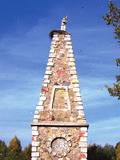 |
Monument „Carrier of the Cross”. Statue of Christ carrying His Cross is placed on a high pedestal of
the pyramid shape. The pedestal was built in 1828 by dean and writer Jāzeps Kirkillo from Rezekne. In 1918,
the monument was renovated. The new statue was placed in 1918. The monument was rebuilt once again
in 1990.
|
|
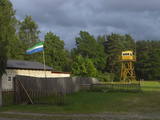 |
This coast guard facility was housed in a building that used to be a maritime school. In the post-Soviet era, accommodations were offered at the building. The coast guard tower is one of the best-preserved objects of its kind along the Latvian shoreline.
|
|


