
| Nr | Name | Beschreibung |
|---|---|---|
 |
Befindet sich in einem 1911 errichteten Gebäude der Molkerei. Herstellung von Milch, Kefir, Buttermilch, saure Sahne, Sahne, Quark, süße Quarkcreme, Butter, Joghurt und Käse. Die Produktion kann man in einem Geschäft der Molkerei (in der Nähe vom Unternehmen) kaufen. Im Geschäft kann man auch die von den Kooperationspartnern (A/s „Smiltenes piens” und SIA „Latvijas piens”) hergestellten Käsespezialitäten kaufen. Eines der fünf lettischen Unternehmen, das den weichen Kümmelkäse "Jāņu" herstellen darf, der als garantiert traditionelle Spezialiät in das EU-Register eingetragen ist. Die Erzeugnisse des Unternehmens haben die Qualitätszeichen „Grüner Löffel” und „Latvijas labums” erhalten. Für die Gruppen – Verkostungen und Einblick in die Tätigkeit der Milchgenossenschaft. |
|
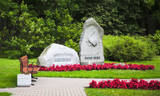 |
Vom 6. – 8. Jh. befand sich an der Stelle der heutigen Stadt Grobiņa die größte in den baltischen Ländern bekannte skandinavische Händler- und Soldatenkolonie. Die Einwanderer aus Gotland und Schweden hatten ihre Inlandsiedlung auf einem Hügel eingerichtet, der sich am Ufer des damals schiffbaren Flusses Ālande befand. Es wird angenommen, dass sich genau hier die in den Chroniken aus dem 9. Jh. erwähnte Burg der Kuren – Seeburg – befand. Nach dem Bau der Ordensburg im 13. Jh. wurde Grobiņa zu einem Kreiszentrum. Die älteste Bebauung der Stadt hat sich um die Lielā Straße, sowie um die Saules Straße und Parka Straße herausgebildet. |
|
 |
Das Museum „Kaikaši” befindet sich ~ 1 km südwestlich vom Zentrum der Stadt Vecpiebalga, in einer kleinen Ortschaft Kaikaši. Auf dem Hof „Kaikaši” ist ein lettischer Schriftsteller Antons Austriņš (1884 – 1934) geboren. In Vecpiebalga hat der künftige Schriftsteller eine Grundallgemeinbildung erhalten. Eins der bekanntesten Werke von A. Austriņš ist das Geschichtenbuch „Jünglein” (1931). Das Museum, in dem sich verschiedene Gegenstände des ländlichen Alltagslebens und mit dem Schriftsteller verbundene Exponate (auch geschriebene Sammelbände und Bücher) befinden, lohnt es sich, unter Begleitung von örtlichem Guide zu besichtigen. |
|
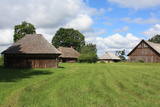 |
Das Dorf befindet sich 7km nördlich des Zentrums von Vecpiebalga. Hier kann man für die Gegend typische Landhöfe und Handwerkerhäuser des 19.Jh. mit Arbeitsgeräten und Gegenständen des täglichen Lebens besichtigen, auch eine kürzlich erneuerte Windmühle. Im Dorf leben auch heute noch einige Bewohner. Es empfiehlt sich, das Museum mit einem ortskundigen Führer zu besuchen. |
|
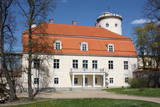 |
Im diesem Schloss (Adresse: Pils laukums 9; deutsch Wenden), das im Jahr 1777 als das Wohnhaus von Karl Eberhard von Sievers gebaut wurde, befindet sich das im Jahr 1949 eröffnete Museum für Geschichte und Kunst. Das Gebäude mit dem neogotischen Lademacherturm, der mit spitzbogigen Arkaden und Öffnungen geschmückt ist, wird als eines der ersten Beispiele für Eklektizismus in der Architektur der Landgüter von Lettland angesehen. Seit März 2012 kann man in dem Museum die zeitgemäße Ausstellung Cēsis – Symbol der lettischen Geschichte besichtigen, die die Besucher mit der Geschichte der Stadt Cēsis und ihrer Umgebung von der Zeit der Wenden bis zum Anfang des 20. Jhs. interaktiv bekanntmacht. Die Ausstellung macht auch mit der Geschichte der lettischen Fahne und mit dem Lebenslauf der Grafen von Sievers und ihrem Beitrag zur Entwicklung von Cēsis bekannt. Das zweite und das dritte Geschoß des Schlosses sind für wechselnde Ausstellungen vorgesehen und da befindet sich auch ein Zimmer, das für Familien mit Kindern eingerichtet ist. Aus dem Lademacherturm des Neuen Schlosses bietet sich die schönste Aussicht auf die Burgruinen und die Altstadt von Cēsis und auf die evangelisch-lutherische Kirche des Heiligen Johannes. |
|
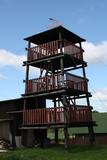 |
This is an interesting viewing tower which is part of one of the farm buildings. It offers a lovely view of the surrounding area.
|
|
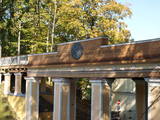 |
Vom 19. Jh. ist der Domberg ein offentlicher Park mit Pfaden, Gehwegen, Brücken (Engelsbrücke, Teufelsbrücke) und den Denkmälern für die Wissenschaftler der Tartu Universität. Hier befinden sich die Domkirche, das Anatomicum, das Observatorium u.a. interessante Objekte. |
|
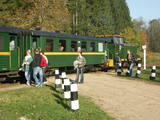 |
Ein Abschnitt der Schmalspurbahnlinie mit Spurbreite 750 mm, der Alūksne un Gulbene verbindet ist in Teil der ehemaligen Eisenbahnlinie Stukmaņi – Valka. Zurzeit ist es die einzige Schmalspurbahn mit ständigem Personenverkehr in Lettland, die noch im Betrieb ist. Die Bānītis fährt jeden Tag. Ein im Südteil der Stadt Alūksne gebautes Stationsgebäude wurde 1903 eröffnet. Die Linie ist 33 km lang und hat 10 Stationen und Haltepunkte. Die Fahrt mit der Bānītis dauert ~ eineinhalb Stunden. Populär ist ein jährliches Fest der Schmalspurbahn Alūksne – Gulbene, zu dem viele Gäste kommen. |
|
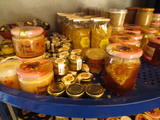 |
Ein alter Bauernhof, deren Besitzer der Imkerei nachgehen. Organisiert werden ein Schulungsprogramm und auf Anfrage Schulen und Veranstaltungen. |
|
 |
Das Landhotel „Karpynė“ ist zentral in Litauen gelegen. Der Name „Karpynė“ leitet sich von dem Fisch Karpfen her. Alljährlich finden hier Veranstaltungen im Zusammenhang mit Fischfang statt. Die Gäste können sich selbst Fische fangen und sie haben die Möglichkeit, diese auch selbst zuzubereiten. |
|
 |
Der Hof der Familie Žiliai ist ein reiner Familienbetrieb, gegründet und betrieben von nur einer Familie, Neugierige Besucher können beim herumspazieren sehen, wie weiße Pfaue, Fasane, Enten, Hühner, Ponys, Rinder der französischen Rasse Charolais und einheimische weiße Schweine. |
|
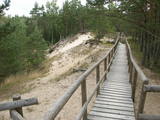 |
Abwechslungsreicher Pfad, der über einen Holzsteg entlang des Steilufers der Pilsupe bis zur Weißen Düne führt, die sich in der Zeit des Litorina Meeres vor einigen tausend Jahren gebildet hat. In der Umgebung wurden Überreste steinzeitlicher Siedlungen gefunden.
|
|
 |
This is a lovely place in Sigulda which has been painted (as the word "gleznotāji", which means "painters" suggests) and photographed for centuries. This is basically not a hill at all, it's just the place where the shore of the ancient Gauja River valley is split by the mighty Vējupīte ravine. You will have an excellent view of the Turaida Castle and the river valley. There are leisure facilities and a viewing platform there. You can ride to Paradīze hill via an electric car. |
|
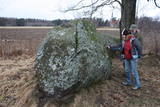 |
К северо-востоку от Мазирбской лютеранской церкви – в полемежду храмом и домом «Пакални» видны два чумных камня. На поверхности бóльшего был высечен (сейчас стерся) текст о ливах, которых одолел король Швеции Карл IX и чума. Сбоку на большой камень опирается второй (самый маленький) чумной камень, который в свое время был установлен у близлежащих домов. Стертый текст рассказывал об армиях, ходивших по Курземе, о голоде и чуме. Третий – Большой чумной камень находится заМазирбским имением священника. Высеченный на нем текст (еще немного просматривается) повествует будущим поколениям о местном священнике (умер во время чумы) и о создании пастората в Сикрагсе. Одновременно камень является памятником шести пасторам обширной окрестной общины. Все три камня повествуют о Большой эпидемии чумы 1710 года, и тексты высечены на них в период с 1711 по 1734 год. |
|
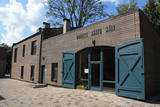 |
The Dobele Crafts House is to the East of Market Square at Baznīcas Street 8 in Dobele. Enthusiasts use it to preserve ancient traditions from the Zemgale region. Workshops to teach crafts are organised here five days a week. |
|
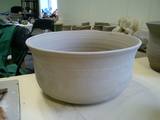 |
This crafts centre is located at the former Svēte Estate, and it organises creative workshops. You can purchase ready-made or commission original ceramic ware. |
|
 3 Tagen
|
Nehmen Sie einen Zug von Riga nach Cesis und bleiben Sie im Herzen dieser reizvollen Stadt. Die Stadt Cesis ist eine der attraktivsten Provinzstädte in Lettland, wo Sie die mittelalterliche Burg des Livländischen Ordens und das neue Schloss, wo ein ausgezeichnetes Museum für Heimatkunde eingerichtet ist und kreative Werkstätte organisiert werden, sowie die reizvolle Altstadt mit der Kirche des Heiligen Johannes und einigen gemütlichen Cafés und Restaurants besuchen können, wo an den Wochenenden Live-Musik gespielt wird. |
|
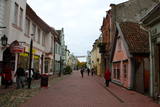 |
Der populärste Kurort Estlands mit breiten Erholungs- und SPA-angebote. Eine der seltenen Sandküsten Estlands und warmes (flach) Wasser des Pärnu-Meerbusens. Die Altstadt mit Hauptfussgängerstrasse Rüütli tee. |
|
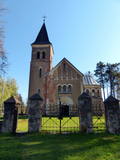 |
Die heutige – die dritte – Kirche wurde im Jahr 1906 auf der Initiative und aus der zur Verfügung gestellten Finanzierung von Gotthard von Budberg gebaut. Er hat das Gotteshaus seiner verstorbenen Frau Gertrude Vorsa gewidmet. In der Kirche ist eine Orgel der Firma Walker aufgestellt, die im Jahr 1906 in Ludwigsburg (in Süddeutschland) hergestellt worden ist. Im Jahr 1992 wurde in der Kirche eine Gedenktafel an die repressierten Einwohner von Gārsene enthüllt. Auf dem Friedhof, der sich 100 Meter südlich von der Kirche befindet, kann man die mit Erzählungen umwobene Gruft der Baron-Familie Budberg und nebenan auch den Friedhof der Familie besichtigen. Die Kirche kann man auch von innen besichtigen. |
|
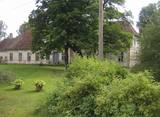 |
Das historische Zentrum des Guts Taši befindet sich im Tal des Flüsschens Alande unweit des Sees Taši. Das heute erhaltene Hauptgebäude geht auf die Familie derer von Korff zurück. Das Herrenhaus datiert auf 1734. Im Gebäude sind wertvolle Kamine im Barock erhalten, das Hauptportal ist aus Gotlander Sandstein ausgeführt, der Fußboden im Vestibül ist original mit Steinplatten ausgelegt, Parkett, Wandverkleidung, Außentüren vom Beginn des 19. Jh., Fenster und Treppen nebst weiteren Details sind erhalten. Südlich hinter dem Haupthaus wurde ein Garten in regelmäßigen Formen im Barockstil angelegt, wo historische Apfelsorten angepflanzt wurden. Neben dem Garten befindet sich der renovierte Park mit einem Teich im Stil des Romantizismus. Die Wege führen aus ruhigen Ecken zu lichterfüllten Plätzen hin, wo sich schöne Miniaturlandschaften dem Blick darbieten. Zwischen den mächtigen Eschen im Park finden Sträucher von Flieder, Heckenkirschen und Kellerhals ihren Platz, die ab dem frühen Frühjahr bunt erblühen und mit ihrem Duft eine besondere Atmosphäre im Park schaffen. Der einstige Gutshof mit den Grünanlagen wird als Kulturdenkmal staatlich geschützt. Das Gut Taši kann man nur nach vorheriger Anmeldung besuchen. Für den Besuch wird eine Spende erbeten. Die Führung durch Gebäude, Gärten und Park nimmt 1 bis 2 Stunden in Anspruch. Der Hausherr erzählt dabei über die Geschichte des Guts sowie nachbarschaftlicher Güter, über die Prinzipien, die in jener Zeit bei der Anlage von Parks und Gärten und Europa galten und inwiefern, diese auch in Taši zur Anwendung gekommen sind. |
|


