
| No | Name | Description |
|---|---|---|
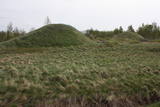 |
The air defence radar facilities at the Liepāja airport in Cimdenieki are gone now, although the man-made terrain in the area remains interesting today.
|
|
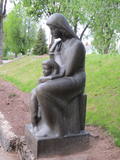 |
Located at the Rūjiena High School, this Kārlis Zemdega sculpture was installed in 1936 in honour of a local teacher, Jūlija Skuiņa, who drowned in 1936 at the age of 24. There are various legends about her death, one of which talks about a tragic love story involving the Rev Roberts Slokenbergs. |
|
 |
The botanic garden is part of the Siauliai University and is the newest and smallest botanical garden in Lithuania, covering 6.54 ha of land. |
|
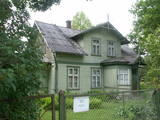 |
The Miervaldis Ķemers Museum (Durbes
street 21) is dedicated to a well known cultural
worker in Latvia (19021980) who was also a
clergyman and a painter.
|
|
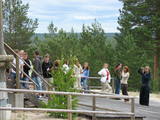 |
In Estonian, Luitemaa means ‘the land of dunes’. It is the seashore territory of the Gulf of Pärnu, 13 km between Vöiste and Häädemeeste with shallow waters, vast coastal meadows, the highest dune range in Estonia and the Tolkuse Mire (Tolkuse raba). The Tolkuse mire trail (~2.2 km) and watching tower are available for dune and mire sightseeing tours. Situated in Luitemaa Nature Reserve. |
|
 |
The farm offers to look at horses, ponies, rabbits, Brama hens and chickens. Children are offered to ride a small pony named Xavier either on horse back or in a small carriage. |
|
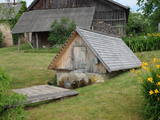 |
Information about this stream dates back to the mid-18th century, but people used it much earlier than that. People donated money to the stream after washing or drinking the water. During the first half of the 19th century, the baron of Tirza and the local church waged a battle against pagan traditions, though not very successfully. There is now a canopy over the stream, and people still drink its water. |
|
 2 days
|
This tour combines culinary experiences with visiting popular tourist attractions in southern Estonia. You will visit Võru and Rõuge, enjoy the southern Estonian landscape in Haanja Nature Park from the top of Suur Munamägi, the highest hill in the Baltics, and will be sincerely welcomed in Setomaa, the land of Setos - an ethnic and linguistic minority carrying on their unique heritage traditions. Setomaa has been inhabited for about 8,400 years, which makes it one of the oldest human settlements in Estonia. On this tour, you will taste Estonian wines made from locally grown berries and fruit, visit a goat farm offering superb goat’s cheese, and will be served a hearty country meal in a rural homestead. The itinerary starts and ends in Tartu, but it can be extended to/from Tallinn and Riga. |
|
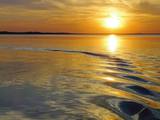 |
Lake Rāzna (57,8 m2) is often called the sea of Latgale. It is the biggest lake in Latvia. Rāzna is situated
on the hill Rāznava. You should see beautiful landscapes, high peaks and Latgalian castle hills. Enjoy the
recreation places beside the lake, the National park of Rāzna and its surroundings. The place is included in
the European Union network of protected areas NATURA 2000. The lake has 10 islands and two gulfs. The
level of the water reaches 163.8m.
|
|
 6 days
|
The tour presents UNESCO World Heritage Sites and the Intangible Cultural Heritage of Latvia and Estonia. Experience the famous traditions of song, national crafts, architecture and food of the unique Suiti and Seto ethnic groups. |
|
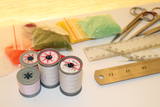 |
Radošajā mājā Latvietes pūrs var apgūt praktiskās iemaņas rokdarbu veidos, kas nepieciesami latviešu tautas tērpu darināšanai – baltie un krāsainie darbi, zīļu vainagu darināšana, adīšana, tamborēšana, tilla izšuvumi, pīto un austo jostu darināšana u.c. Saimniece pati pārzina dažādus rokdarbu veidus un to tehnikas, nepieciešamības gadījumā tiek pieaicināti sava aroda meistari. Ir zināšanas par latviešu tautas tērpa novadu īpatnībām, saimniece labi zina tautas tērpu attīstības vēsturi un pielietojumu
|
|
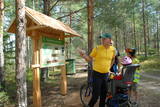 |
The wooden pathway which crosses the high swamp leads to the Teirumnīku swamp lake, which is right in the middle of the swamp. On the shores, there is a well-appointed place for leisure and relaxation. One can return to the starting point via a forest path. The trail is 800m long, and visitors will spend about an hour there. It is a part of the Tīrumnieki nature reserve.
|
|
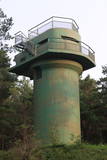 |
The battery is to the South of Ventspils, not far from the Piejūras Park. Work on the battery began in 1939. Today the site is a complete mess, standing out in a negative way from the tidy city itself. People seeking building materials and ferrous metals helped to tear the place down. It’s too bad that this historical location – one that might be of interest to tourists – is in such sad shape, and right at the gates of the city, to boot.
|
|
 |
The café is located in the centre of Talsi, near Church Square, not far from Talsi lake. Latvian cuisine: Bean, sorrel and chilled soup, grit or pea porridge, sautéed vegetables and meat, homemade steak haché, grey peas with bacon, pork ribs, potato pancakes, whipped fool, fruit juice gelatine with milk. |
|
 |
This is an ecological and biodynamic medicinal plant farm that is run by two sisters who produce herbal teas and spices. Educational programmes offer information about the plants and their medicinal properties. You can lease bikes to ride down the bike paths of the Žemaitija National Park. |
|
 |
An afforested island in the Gulf of Finland, approximately 14 km to the North of Tallinn. There is a network of small roads and trails on the island. Forests: Mostly 1.1, 1.2 and 4.2. Information: www.aegna.ee. A ferry boat to the island departs from the port at Pirita. Hike around the shore of the island, where you will find all kinds of environments – dunes, sandy areas, rocky areas and places with lots of reeds (~9 km). |
|
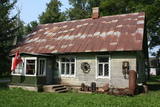 |
The brothers Imants and Ivars Novožilovs have spent more than 10 years collecting local evidence of World War II – weapons, wrecks of armoured vehicles, the everyday objects of soldiers, etc., and they have now opened an exhibition of those items at the former headquarters of the local parish council.
|
|
 |
Izcila lokveida taka (4,5 km), kuras lielākā daļa (koka laipas) ved pa Rīsas purvu (Riisa raba). No takas un divstāvīgā koka skatu torņa ir vērojami purva ezeriņi, lāmas, un purvaini meži. Ja nacionālā parka apskati sāk no ziemeļu puses, tad šī taka ir labs ceļojuma iesākums! |
|
 |
Baltijā lielākās HES celtniecību uzsāka 1961. g., bet pabeidza 1966. g. Tajā uzstādīto 10 hidroagregātu projektētā jauda bija 825 MW. Pļaviņu HES tiek uzskatīta par unikālu, jo pirmoreiz HES būvniecības praksē tā konstrukcija tika balstīta uz mālsmilts un smilšmālu gruntīm ar maksimālo spiedienaugstumu - 40 m! Pļaviņu HES ēka ir apvienota ar ūdens pārgāzi, zem kuras atrodas Latvijas garākais tunelis - Enerģētiķu iela. 20. gs. deviņdesmitajos gados Pļaviņu HES rekonstruēja un tagad tās jauda ir sasniegusi 870 MW. Apmeklētāji var iepazīt mašīnzāli, skatu laukumus un HES maketu. |
|
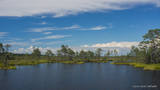 |
Durch das höchste Dünen-Massiv Estlands und den Moor führt der Lehr-Wanderweg. Blick vom Aussichtsturm bis auf die Insel Kihnu. |
|


