
| No | Name | Description |
|---|---|---|
 |
The craftspeople offer tours during which you can watch them at work. You can also produce your own souvenirs with various techniques, including the potter’s wheel and the engraving technique, making use of pre-prepared moulds. You can also commission and purchase ceramics products. This location is popular among children and wedding parties. |
|
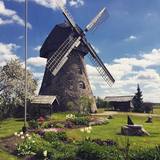 |
The windmill is on a hill and offers a lovely view. This is one of the few Dutch-type windmills (built in 1852) to still be in operational order, and guests can help to grind grain. On the last Sunday of every July, the windmill organises a celebration in honour of St Jacob and of bread baked from freshly harvested rye. Latvian cuisine: Miller’s lunch – wheat flour porridge with meat sauce, crepes, kefir, herbal teas. |
|
 |
The café is on the edge of the Jēkabpils-Rēzekne road (A12) in a lovely location by a pond where guests can fish for perch, pike, tench and carp. Eastern cuisine and fish dishes are offered. |
|
 |
The craftsman will tell you all about the history of pottery and demonstrate his work. You can commission and purchase his products. Once a year, in July, Mr Klīdzējs fires up the chamber kiln that is at the Salacgrīva School of Art. |
|
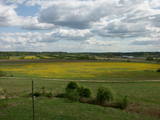 |
From the Asote castle hill, which is on the right bank of the Daugava River near Jēkabpils, there is a fine view of the Daugava River valley, the Ābeles Island, and the Kaupre castle hill that is at the northern end of the island.
|
|
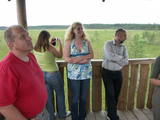 |
The tower is beyond the Oleri estate, in the small Oleri swamp, where at the end of a wooden footpath you can step upward a bit and learn about the landscape of a transitional swamp. This is part of the ZBR.
|
|
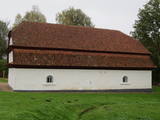 |
In the barn of Padure manor (the only one three-storey barn in Latvia built in the empire style) the groups of tourists are offered kocha (a substantial pearl barley porridge with onions and meat), differents soups (fish, sorrel), dumplings, cheese and differents sweet dishes. The tasting of home-made wine. For those interested, the owner will tell about yearly traditions, as well as the barn’s history. Latvian cuisine: Fish and sorrel soup, sweet and savoury dumplings, pork ribs, cheeses, desserts, homemade wine. Special foods: A hearty pearl barley porridge with onions and meat. |
|
 |
The Ķemeri school was built in 1934 (architect
Kārlis Cināts). It is one of the few school buildings in
Latvia to have preserved an historically valuable interior
and exterior, including allegorical images on the façade.
|
|
 |
In Põlvamaa, on the side of the historic post road, a farmer’s kitchen and leisure home Kopli is located, surrounded by joy and delicious flavours. Farmer's kitchen Kopli offers a comfortable way to spend time and private restaurant services. The café operates during summer. Enjoy gelato type ice-cream here all year round. |
|
 |
Pajumäe is a small, nice organic farm located in the green Mulgimaa, and produces various dairy products. You will have the opportunity to look at all stages of milk production - from cows on the pastures to dairy processing. |
|
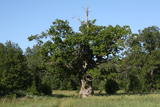 |
The tree is in the middle of an untended field. Despite many dead branches and the messy surroundings, the tree is beautiful and well visible from the road. It is the third thickest tree in the Baltic States.
|
|
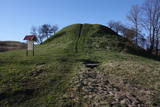 |
Arī Senču pilskalns, Baznīckalns un Velna gulta. Pirmo reizi minēts 1230. gadā kā viens no senās kuršu zemes Vanemas centriem. Ar šo objektu var sākt Abavas senlejas skaistāko skatu apzināšanu. Līdz pilskalna plakumam ved kāpnes, un no tā redzami senlejas vārti un upes ielejas kreisā krasta nogāze, kuras piekājē izvietojusies Jaunkandava.
|
|
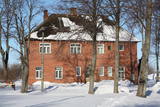 |
Name of Ainazi is an integral part of the Latvian maritime history. The first Naval School, which was able to learn the Latvian peasant children, was established here in 1864. Naturally - Ainazi became an important Latvian coastal shipbuilding centre and port. Economic life of the town was also facilitated by the opening of Smiltene -Valmiera-Ainazi narrow-gauge railway line in1913. Today Ainazi is a small and quiet town on the Latvian - Estonian border with a number of interesting sightseeing objects. |
|
 |
This restricted area is on the eastern shore of Lake Ķīšezers, and of the greatest importance here are the habitats – flood-land and other meadows, dunes, the aquatorium of Lake Ķīšezers, the shoreline, forests of oak, black alder and other trees, and many huge oak trees in the restricted area and beyond its borders. The Bulduri castle hill, which is the most distinct ancient castle hill in Rīga, is on the southern end of the Lieupsala peninsula. On the border of the restricted area is an affiliate of the Latvian Open-Air Ethnographic Museum, which is known as “Vārnas”.
|
|
 |
Roograhu ostas restorāns atrodas tieši jūras krastā un ir atvērts visu gadu. Sortimentā ir picas, gardas zupas, salāti un pamatēdieni. Roograhu ostas restorāna ēdienkartē netrūkst arī vietējo sezonālo zivju. Ostas ēkā darbojas arī viesu māja un kubla pirts ar skatu uz jūru. |
|
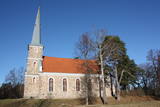 |
A wooden church was built here in 1766, and the new brick church was built on the foundations of the old church and consecrated in 1868. The tall steeple of the church helped ship captains orient themselves during the daytime. An altar painting by Gunta Liepiņa-Grīva, "Christ and Peter on the Sea," was consecrated in 1993 to replace the former painting, which was lost. The blue-white-green Livonian flag was consecrated at the Mazirbe manse (now a recollection centre) on November 18, 1923. Near the manse are several rocks which stand witness to the Black Plague in 1710 and 1711. The text in Latin said that Livonians on the coastline were conquered by Swedish King Karl IX and the bubonic plague. The texts on the rocks have eroded away, but records of them were made. The Mazirbe cemetery has a monument to Old Taisel, a monument to the parents of captain A. Bertholds, and the legendary grave of a werewolf. |
|
 |
Established in 1992, the Mežacīruļi farm is in the Zaļenieki Parish of the Jelgava Administrative District, alongside the basin of the Lielupe River. The farm initially had 7.2 ha of land, 3 cows, 20 head of sheep and 6 sows. Today it has 700 ha of land, 300 dairy cows, and a series of hothouses to grow lettuce and herbs. |
|
 |
Lielā dziesmu vieta "Dzintari" ir ievērojama ar to, ka tieši tur 1866. gadā norisinājās pirmie latviešu skolēnu koru svētki. Lai iezīmētu šo vietu, 2015. gada vasarā Madonas novada, Praulienas pagasta, Šūpuļkalnā (Madona – Varakļāni ceļa malā) tika uzstādīts Ivara Mailīša veidotais vides objekts “Latvija skan”. Šajā vietā atrodas arī māja, kurā dzīvojis ievērojamais koru virsdiriģents Haralds Mednis (1906-2000). Lai saglabātu mākslinieka piemiņu, 2016. gadā durvis vēra Haralda Medņa 20. gs. 30. gados uzceltā māja “Dzintari”. Tajā apskatāma izstādes par virsdiriģentu Haraldu Medni un Pirmajiem latviešu skolēnu koru svētkiem. Vietai dots skanīgs nosaukums – Lielā dziesmu vieta “Dzintari”. |
|
 8 days
|
In Riga enjoy Old Town with narrow cobbled streets, Art Nouveau district, visit the Central market to catch a local spirit. Going out of Riga - visit Kemeri National Park, special for its sulphur springs. Walk Kemeri Bog Trail. Enjoy recreation centre at the lake Valgums - Bare Foot Trail, Labirintus, swimming in the lake, spa treatments and excellent restaurant. Then the route goes to the Pure Chocolate Museum and turns to the ancient Abava Valley where grapes were grown from 16th century. A little part of the historic Wine Hill is there but new gardens and wineries are developed into recent years. Visit Pedvale Open-Air Art Space and then picturesque Kuldiga with well preserved wooden architecture. At country house in Skrunda see how shitake mushrooms are grown and try some meal from them. Liepaja is vibrant city with significant military heritage now accessible for everyone, beautiful white sand beach. Special meal to try there "Liepajas mencins" (Liepaja Cod). Then there is a visit to goats farm and tasting of their produce. Walk along the steep banks of Jurkalne. Explore Ventspils with its many parks, Livonian Order Castle, promenade, breakwater, well maintained beach. The route goes to the place where the open sea meets the Gulf of Riga - Cape Kolka and then along the coast towards Riga. On the way visit fishermen at Engure. See their fish making process and try the fish . Visit historic sea and spa resort Jurmala with pretty 19th centuries villas, have a lunch at the local restaurant, specialist in potato meals. |
|
 |
For the groups of gourmandes the owner offers to participiate in different culinary workshops (2-3 hours): „The sweet cake workshop”, „The untraditional seasonal vegetable foods workshop”, „Pizza workshop”, Preparing hemp butter”, etc. Those who don’t wish to cook themselves are offered a lazy countryside dinner in combination with watching the farm, the grapes garden and talks about countryside life. |
|


