
| No | Name | Description |
|---|---|---|
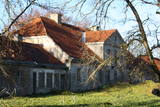 |
Matsalu muiža pirmoreiz vēsturiskajos avotos ir minēta 1560. g., kad tā ietilpa Lihulas bīskapijas sastāvā. Tagad redzamās ēkas ir celtas laikā no 18. gs. otrās puses līdz 20. gs. sākumam. Pagājušā gadsimta sešdesmitajos gados te plānoja izveidot Matsalu rezervāta centru, taču „veiksmīgā loze” tika netālu esošajai Penijē muižai (sk. iepriekš). Mūsdienās muižas pils, citas ēkas un parks (tajā dīķis ar salu) atrodas kritiskā stāvoklī. Taču kā nozīmīgu vēstures liecinieku arī šo muižu var iekļaut apskatāmo objektu sarakstā. Muižas komplekss atrodas pa ceļam uz Kēmu (Keemu) putnu vērošanas torni. |
|
 |
The saloon is in the centre of Vecumnieki and features antique household objects as part of its interior design. Breakfast, lunch and dinner are all prepared on an open fire, making use of an ancient spirit and the cookbooks of grannies. Desserts, too, are all made from natural ingredients. Latvian cuisine: Pork with sauerkraut. Special foods: Handmade pierogi with home-cured meat. |
|
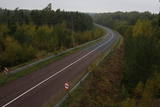 |
This is the ancient shore of the Baltic Ice Lake. We can only imagine the landscape 10,000 years ago, when the Kurzeme peninsula was covered with vegetation reminiscent of a tundra, and waves from the icy lake dashed against the ancient shoreline. We know that the lake was full of icebergs of various sizes. Today the cliff is more than 20 km long (some 9 km of it are in the Slītere National Park), and it is as much as 42 m high. It is the most impressive cliff of its type in all of Latvia. At the foot of the cliff are the Irve flatlands (the name comes from the Liv 'īrva' or 'īra', both of which refer to deer). The flatlands are the former bottom of the Baltic Ice Lake. The Blue Hills are crossed by many small streams and rivers (Pitragupe, Lorumupe, Kaļķupe, Mazupe, etc.). Their valleys are the basis for a branched and very complicated system of waterways which look particularly impressive when the trees are bare. In many places the cliffs and valleys display small areas of sandstone from the Narva suite. These are Latvia's oldest sediment cliffs that can be seen above ground. Although the Blue Hills are very impressive in scope, there are only a few places where there are important viewing areas (a viewing tower at the Dundaga-Mazirbe road, the view from the Šlītere lighthouse, the view from Mežlīdumi). The mightiness of the ancient shoreline can truly be enjoyed from the Cirste-Mazirbe road, the Cirste-Riepaldi road, Mežlīdumi and the Vīdala-Melnsils road). It is worth visiting the area in the springtime, when the slopes of the Blue Hills seem to be sinking under the fresh greenery. |
|
 |
The café is located right by the old brick bridge of Kuldīga and boasts a wonderful view over Ventas Rapid, the widest waterfall in Europe. Offers grilled dishes in summer, as well as burgers, steaks, shashlik and pastries. |
|
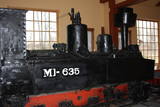 |
In 1916, during the German military occupation of Latvia, prisoners of war were put to work in installing narrow-gauge railroads via which the Germans exported Latvian timber. A narrow-gauge rail network was built through the forests and across the swamps of the Viesīte area. The track width was round 600 mm, and there was a total of 130 km of tracks to connect Viesīte (the central station) to Nereta, Aknīste, Jēkabpils and Daudzeva. The train was used after world War II to transport timber and passengers. The last trip along the line occurred on August 31, 1972.
You can tour the museum individually or with the assistance of a guide. You’ll see an Mi-635 locomotive, wagons for passengers and cargo, a platform to transport timber materials, and two trolleys.
|
|
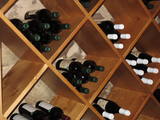 |
In the 400-year old manor’s cellars (possibly the oldest in Latvia) one is offered to taste the home-made wines produced in Kurzeme (3-7 different wines), as well as the special wine of Shlokenbeka manor with the indigenous countryside goods (you are promised a suprise!) |
|
 |
The cafe Piladzitis is situated in Kuldiga next to the Venta rapid and an old brick bridge in Parventa. Piladzitis offers substantial and Latvian dishes. The cafe’s working hours: 9:00 – 20:00, no days off |
|
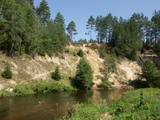 |
This territory is Lithuania’s most forested area, and people here have always lived in accordance with nature. Local treasures include berries, mushrooms, honey, clean water from streams and rivers, etc. People here have engaged in various crafts, as well as in beekeeping.
|
|
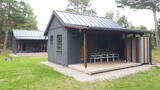 |
Brīvdienu mājiņas Jūvgumegi atrodas Kurzemes reģiona Mazirbē, Slīteres nacionālajā parkā. Viesiem tiek piedāvātas četrvietīgas un divvietīgas naktsmītnes ar bezmaksas privātu autostāvvietu. Visās ir pieejama virtuve ar ledusskapi un plīts virsmu, kā arī tualete, duša izvietota uz terases. Līdz liedagam 400m. |
|
 |
The "Kandava" café is located in the centre of town alongside Market Square and the Kandava Hotel. Latvian cuisine: Herring with potatoes and cottage cheese, oatmeal, homemade steak haché, stuffed crepes, cottage cheese buns with jam. |
|
 3 days
|
This route section takes you to the Dzūkija National Park – it is among Lithuania’s most forested and desolate nature areas –, and to the town of Druskininkai – a popular SPA and mineral water health resort on the banks of the river Nemunas. When in Druskininkai, we recommend dipping yourself in mineral water baths, enjoying the trip with the cable car over the river Nemunas, visiting the musical fountain, and walking along the river promenade. The starting point of the hiking route is the village of Didžiasalis, which is reached by bus from Druskininkai. From there, the route will take you through vast coniferous forests, rich in berries and mushrooms, and small villages. As you get to Druskininkai, the Forest Trail will meander along the small streets and parks of the historic resort of Druskininkai, crossing the river Ratnyčia and the forest park on the right bank of the Nemunas valley. Leaving the resort town behind, the Forest Trail runs on the side of the village revealing you the beautiful landscapes and the view of the Liškiava monastery on the other bank of the river Nemunas. Up to the village of Žiogeliai, the route goes along forest roads and continues along the banks of the Nemunas valley, surrounded by the vast Dzūkija forests. Towards the end of the route, climb up the Merkinė Mound and it will surprise you with breathtaking views of southern Lithuania. |
|
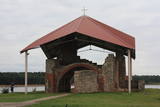 |
Since the 1970s, these ruins have been on a small (100 m long) island that is part of the reservoir of the Rīga hydroelectric power plant. The island is named after St Meinhard and the ruins are part of the oldest stone building in Latvia. Work on the church began in 1184, but it was rebuilt and sacked several times, most recently in 1916. The ruins have been conserved and are protected by a metal cover. The shores of the island have been strengthened. The 10 metre metal cross on the island was designed by E. Samovičs, while the stone altar was sculpted by J. Karlobs. |
|
 |
This medieval saloon is a true Middle Ages saloon situated on the premises of the Ventspils Castle of the Livonian Order, next to which the river Venta flows. The saloon is thoughtfully incorporated in the castle ensemble, the interior design and the foods that are served create a true feeling of the Middle Ages. Latvian cuisine: Mutton soup, roast mutton, plaice filet, herring en papillote, homemade wines. |
|
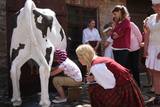 |
The granary and cheese-making building of the former Seiksāte (Berghof) Estate houses a museum that was opened in 1985 and demonstrates the route of milk from the cow to finished dairy products. You can try your hand at milking a cow and churning butter, and then you can taste what you have made. |
|
 |
Take a tour of this lovely plant farm, which has more than 3,000 types of plants, including a wide range of water plants. You can purchase plants and receive consultations on growing them. |
|
 |
Piemājas saimniecība "Rudā lapsa", kas atrodas Ludzas novadā, interesentiem piedāvā iespēju iepazīt laukus, apskatīt mājdzīvniekus, saklausīt dabu, ļauties mierīgai atpūtai. Tiek piedāvātas telšu un piknika/ugunskura vietas. Ciemos tiek gaidīts katrs, kas vēlas atpūsties un izrauties no ikdienas skrējiena. |
|
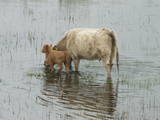 |
The shallow and mostly overgrown (65% of its surface) Lake Engure is one of those Latvian lakes which are most favoured by birds. It is a location which is governed by the Ramsar Convention on Wetlands, and 186 species of nesting birds have been identified there. The area is also distinguished by great botanical diversity (more than 800 kinds of plants). The coastline varies between sandy beaches and seashore meadows. There are forests, fishing villages and damp areas which ensure a great diversity in landscapes and species. The flood-land plains of the lake and the sea are grazing grounds for wild livestock – horses, blue cows, etc. Several bird-watching towers are open to visitors, as is the Orchid trail. The Centre for Ornithological Research is located on the eastern bank of Lake Engure. A unique floating house built by ornithologists is located on the lake. The territory is appropriate not just for holiday-makers, but also for hikers, bicyclists and bird-watchers. A leisure area and a small exhibition are located close to the ornithological research centre. |
|
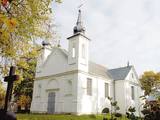 |
Blessed Our Lady’s Birth Roman Catholic Church of Kaunata
was rebuilt in 1850 by Zuzanna Druva after the wooden building was
burned down. The church has a fabric icon „St. Elizabeth is visited by Mary”.
|
|
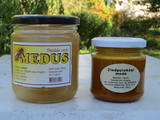 |
The owner offers honey made of various flowers, forest plants, heather and linden blossoms, pollen, bee bread, propolis, and other beekeeping products. He will be happy to give you a tour and tell you about his work. |
|
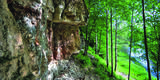 |
1,2 km garā taka atrodas netālu no vietas, kur Gauju šķērso Vidzemes šoseja (A 2). Izejot taku, var iepazīt vienu no Latvijas augstākajiem dolomītiežu atsegumiem – Randātu klintis, kas paceļas 25 m virs Gaujas. Taka ir apļaveida un tās apskatei nepieciešamas ~ 45 minūtes. |
|


