
| No | Name | Description |
|---|---|---|
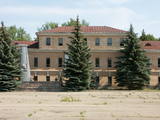 |
1275 is considered as a year of foundation of Daugavpils. This is the time when the Master of Livonian Order Ernst von Ratceburgs built Dinaburg castle at the Naujene hill fort. It suffered several Lithuanian and Russian invasion until in 1577 the castle was destroyed by Russian troops under the command of Ivan the Terrible. After this event Dinaburg was restored 17 km further on the right bank of the river, where now the town of Daugavpils is located. From 1810-1833a new fortress was built. In 1826 started the building of what is now the historic centre of the town. During the World War I the major industrial companies with workers were evacuated to Russia. During first Latvian Republic, the cultural life in Daugavpils flourished. Most part of the town was destroyed during World War II – in the July of 1944. Nowadays the town is the second largest town in Latvia and is an important economical centre of Latgale historic region. Restoration of Daugavpils Fortress was launched recently; this project can be considered as a unique on the European scale. |
|
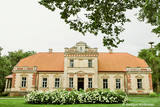 |
The Jakiškiu Estate was first mentioned in documents in the late 16th century. The estate had elements of Classicism in terms of its architecture. Among the buildings, the only ones that have survived are the mansion, an ice cellar and a steam-driven windmill. The estate has not been restored, so it is still authentic. Its artistic soul is preserved by various objects that remain from the time when people lived at the estate and from the Soviet era. Alongside the estate are a few fragments of a park, which covers approximately 2 ha. There is an ancient alley of linden trees that are on both sides of the entrance road, as well as several other valuable types of trees and a small pond. |
|
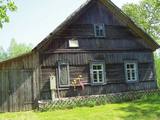 |
The House-Museum of the writer Michael Narics. Reveal the history of political repressions in the
USSR and Soviet Latvia; see creative works of the winners of competition organized by M. Narics Educational
Center.
Working hours: on request |
|
 |
The cafe in the centre of Saulkrasti. There are offered not only baked goods, but hot meals as well. The Latvian-style kebabs made here are very popular among the citizens of Saulkrasti and town guests. The cafe offers high chairs for children. Working hours in the summer: 8:00 – 20:00, from September to May: 8:00 – 18:00 |
|
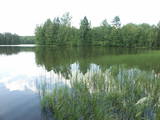 |
Viens no dažiem Latvijas dzidrūdens ezeriem. Apskatāms no Lubānas - Ļaudonas ceļa malas pie Visagala. Lai saudzētu šo ezeru, tajā esošos aizsargājamos biotopus un sugas, ūdenstilpē nevajadzētu peldēties lielām cilvēku masām un pieļaut cilvēka darbības produktu nonākšanu ezerā.
|
|
 |
Jaanioja Farm is located in the heart of Lahemaa National Park. The farmstead features camping grounds, an outdoor kitchen, sauna and smithy. The farm organises creative camps, fairy tale games, celebrations of folk calendar holidays and handicraft workshops for all ages. Rag dolls, quilted and patchwork items and other crafts are on sale. |
|
 |
Atrodas Burtnieka ezera austrumu krastā – uz ezera poldera dambja. Pavasara un rudens migrāciju laikā – laba putnu vērošanas vieta. Putni redzami ne tikai ezera piekrastē, bet arī poldera mitrajās pļavās. |
|
 |
The saloon is alongside the Liepāja-Ventspils road (P111), alongside the restored wooden bridge across the Rīva River. The interior design is based on the sea. During the autumn, the large windows open up a view of salmon leaping across the dam of the windmill. Latvian cuisine: Chilled soup, baked potatoes in their jacket, baked filet of flounder and cod, baked herring in a sea buckthorn marinade, pork chop with mushrooms, sausages with marinated onions, grey peas with bacon, mashed potatoes, stacked rye bread, oatmeal with whipped cream. |
|
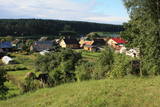 |
Karņicka kalns pēc savas izcelsmes nav kalns, bet gan Daugavas ielejas nogāzes daļa ar labu skatu uz Krāslavas mazstāvu koka apbūvi. Ar šo vietu saistīts traģisks nostāsts par poļu virsnieka Josifa Karņicka un grāfa Plātera meitas mīlestību, kurai nebija lemts piepildīties tā laika „paražu” dēļ. Tā rezultātā abi nelaimīgie nolemj izdarīt pašnāvību. Virsnieks nošaujas, bet Emīliju pēdējā brīdī izglābj kalpone, neļaujot tai izlēkt pa pils logu. J. Karņicka pašnāvības vietā ir uzstādīts piemineklis. Nedaudz tālāk – rietumu virzienā guļ t.s. Austriņa akmens, pie kura 1909. gadā iedvesmojies un radījis latviešu rakstnieks Antons Austriņš. |
|
 |
Die größte Bernsteinausstellung im Baltikum (seit 1963) mit Bernsteineinschlüssen. Ist die Bedeutung des Bernsteins in der Geschichte des baltischen Völkern wiedergespiegelt. Das Museum ist in einem dem Grafen Tyszkiewicz (1865 – 1932) gehörteten Schloss (gebaut 1897) eingerichtet. |
|
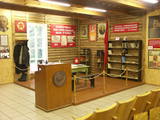 |
Das einzige Museum solches Maßstabs unter freiem Himmel im Baltikum. Gegründet in 1999. Die Ausstellungsobjekte einbezogen die monumentalen Denkmäler spiegeln die sowjetische Ideologie wieder. Ein Minizoo. |
|
 2 days
|
This route is best for active hikers who want to travel down the valley of the mightiest river in the Baltic States to see lovely landscapes and feel powerful emotions. The route begins in Sigulda, which has been known as the Switzerland of Vidzeme and offers some of the loveliest views in Latvia. The route crosses the deep valleys of several Gauja River territory, offering a look at shores that are known at the Baltic level for their mighty Devonian cliffs. The nature trails in Līgatne are the only place in Latvia to see forestland that is close to natural circumstances, with forest animals living in large fenced areas so that they can be seen. There are also animals and tracks of their activities out in the wild as you walk down the forest and other trails of the Gauja National Park. Route information from Latvijas Lauku forums |
|
 |
Restorāns "Višta puode" piedāvā dažādus gardus ēdienus, tostarp arī lietuviešu tradicionālos ēdienus. Restorāna telpas iespējams rezervēt dažādiem pasākumiem. |
|
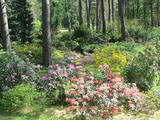 |
This arboretum was established in 1996, when dendrologists Raimonds Cinovskis and Ināra Bondare joined with the local government in Rucava in experimenting with plants on the Rucava castle hill. The first plants were planted in 1998, and ever since then the collection has been expanded in the town centre and outside the Rucava Elementary School. Each year new and exotic plants are brought in from all around the world. A traditional garden festival is held each year in May, when rhododendrons and magnolias are in full bloom. |
|
 12 days
|
This is the longest of the Forest Trail tours, where you will hike on many beautiful forest nature trails in Latvia and Estonia. These nature trails are part of the Forest Trail and this tour is suitable for self-drive tourists, who wish to hike different sizes of trails and get an impression of the forest diversity in both countries. You have the possibility to see the northern coniferous forests with spruces and pines, broadleaf forests, wet floodplain forests and picturesque forests growing on slopes and ravines. You will also see the most interesting tourist sights in Latvia and Estonia, which are close to the Forest Trail. In Latvia you will visit Sigulda, the historic Ligatne papermill village, medieval Cesis, the River Amata valley, which is located in Gauja National Park. Then you will drive to the less populated eastern part of Latvia – the Northern Gauja protected landscape area, Aluksne Town and hike in the Korneti-Peļļi subglacial depression, one of the most impressive ravines in Latvia. You can climb to Drusku castle mound – the highest and steepest of all the castle mounds in Latvia, When entering Estonia, you will see the highest point of the Baltics – Suur Munamagi Hill, where the observation tower is built. Further on the tour will lead you to the River Piusa valley, Obinitsa, with the culture of Seto people. You will hike in the historic Varska resort town, which is very close to the Russian border. Then you will reach Tartu and Lake Peipsi, which is the 5th biggest lake in Europe. You will hike in the Kurtna landscape reserve, see the Ontika limestone cliff, Valaste waterfall – the highest in Estonia. Finally you will hike in one of the beautiful wooded areas in Estonia – Lahemaa National Park. The tour ends in Tallinn, where you can enjoy the medieval Old Town and many other attractions. |
|
|
|
Metāla tornis Kazari upes kreisajā krastā, ~ 5 km attālumā no Matsalu līča. No torņa redzamās Kazari deltas palieņu pļavas atrodas tikai 0,3 – 1 m augstumā virs jūras līmeņa, tādēļ pavasara palos un stipru vētru (īpaši rietumvēju) laikā ūdens appludina milzīgu teritoriju. Uzskata, ka platības ziņā šīs ir vienas no lielākajām Eiropas palieņu pļavām, kas ir nozīmīga dažādu tārtiņveidīgo putnu sugu ligzdošanas, dzērvju un zosveidīgo putnu atpūtas un barošanās vieta. Ir pagājis laiks, kad zemnieki Matsalu pļavās ganīja govis un pļāva sienu, tādēļ šobrīd pļavu apsaimniekošanu veic nacionālā parka administrācija. |
|
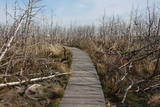 |
Nahe der Beerkopfdüne ist im Frühling 2006 „ein Brand der Jahrhunderte” gewessen. Es wurde der hundert Jahre alte Wald in der Fläsche von 235h ausgebrannt. Ein Pfad mit Holzbelag. |
|
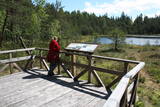 |
Četrus kilometrus garā lokveida un marķētā dabas taka meklējama Plateļu pilsētiņas ziemeļaustrumu daļā. Tā ved pa dažādiem biotopiem – mežu, purvu, ezera malu, atklājot dažādas ainavas un tajās mītošās augu, putnu un dzīvnieku sugas. Šī ir interesantākā un ainaviskākā no Žemaitijas nacionālā parka takām. |
|
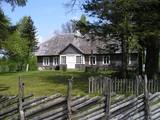 |
This museum was opened in 1991 at the birthplace of the aviator Stepon Darius. The house and granary have been restored, with exhibitions in both buildings. One speaks to the history of aviation in Lithuania and Darius' life, while the other shows ancient household objects. There is a campsite nearby where you can spend a longer period of time. |
|
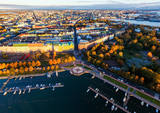 |
Helsinki is the capital of Finland and the biggest city in Finland. It offers a lot to see as it is seaside city surrounded by islands but city itself is full of wonderful parks. This city has everything to attract all kinds of people - from architecture and culture to nature and even has wide range of places where to enjoy night-time Helsinki. |
|


