
| Nr | Name | Beschreibung |
|---|---|---|
 |
Befindet sich in Skrīveri, Daugavas Straße 58. Das erste Haus des Schriftstellers (1877 – 1970) wurde 1908 gebaut, aber jetziges Haus – im Jahre 1921 auf der Grundlage des ersten Hauses. Im Gebäude ist ein Museum eingerichtet. Die Exposition des Museum veranschaulicht einen Lebens- und Schaffensweg des Schriftstellers, sowie wie der Roman “Grüne Erde” erschaffen wurde. Neben dem Haus ist ein Garten.1952 hat der Schriftsteller das Haus mit dem Garten der Staat geschenkt. Es werden Führungen und museumspädagogische Programme angeboten. |
|
 |
GiLine ir ģimenes uzņēmums, kurš ražo konfektes Konfelāde un sīrupus. Konfelāde ir sulas konfektes, kas ražotas no Latvijā iegūtām augļu un ogu 100 % sulām, neizmantojot konservantus un garšas pastiprinātājus. Ražošanas procesā tiek izmantots roku darbs. Arī sīrupā izmantotas tikai dabīgas izejvielas. Piedāvā radošās ekskursijas ražotnē. |
|
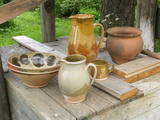 |
The potters engage in traditional pottery from various eras, and they also study ancient forms, materials and methods which ancestors centuries ago put to use. You can tour the facility, examine the kiln, work with clay, purchase ceramics products, and inspect a collection of ancient tools and ceramics. You are invited to attend the opening of the kiln, as well. |
|
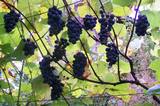 |
The visitors are offered the excursion around the wine garden and the story about different sorts of grapes and the secrets of wine-making. During the excursion the vistiors can learn about the traditions of growing grapes in Latvia, to see and taste the newest tendencies of grape selectioning,as well as receive advice on growing and tending grapes. It is also possible to try home-made wines and buy grapes saplings. |
|
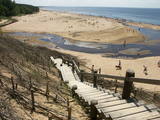 |
The White Dune is one of the landmarks of Saulkrasti, on the Vidzeme gulf coast. The dune offers a splendid view of the sea, the mouth of the Inčupe River and the vast beach. The White Dune formed as the wind drove beach sand over the clay silt of Baltic Ice Lake. Its white 18 meters high sand outcrop once helped local fishermen find their way home. The dune got its name from its white, hardened layers of sand which look like sandstone. |
|
 |
The cafe in the centre of Saulkrasti. There are offered not only baked goods, but hot meals as well. The Latvian-style kebabs made here are very popular among the citizens of Saulkrasti and town guests. The cafe offers high chairs for children. Working hours in the summer: 8:00 – 20:00, from September to May: 8:00 – 18:00 |
|
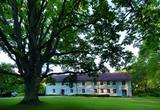 |
The first mention of Pēterupe Rectory goes back to the late 17th century. The Manor Park and the buildings have partially survived to the present day, including a linden alley at the end of Smilšu Street, planted by the pastor Jānis Neilands in 1879 and the grand oak planted by Johann Wilhelm Knierim in 1869. After the fire of 1908, the Rectory was restored and partially rebuilt. In Soviet times, the property was removed from the parish and the house was named “Līgotnes”. During German times the Rectory was occupied by legionnaires. After the war, the building of the Rectory was turned into a hospital, then into a secondary school and later it was transformed into a block of flats for teachers. Now the building again belongs to the parish and it is inhabited by a priest of the parish and his family. |
|
 |
Atrodas Riekstusalas pussalas galā. No tā labi pārskatāma aizaugušā Kaņiera ezera ziemeļu un austrumu daļa. Izcila putnu vērošanas vieta. Pie torņa atrodas viena no retajām Latvijas kadiķu audzēm. Turpat meklējams Kaņiera ezera niedru laipas (uz pontoniem) sākums. |
|
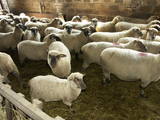 |
Auf den Feldern der Wirtschaft weiden mehr als 150 Schafe. Hier ist eine Station zur Mästung von Zuchtböcken gebaut worden. Hier werden Tierauktionen und Schaftage organisiert. Der Wirt leitet Führungen und bietet Zuchtschafe und Schafproduktion zum Verkauf. |
|
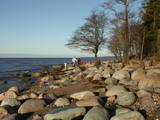 |
Neliels, bet ļoti ainavisks un ar lieliem laukakmeņiem klāts
zemesrags. No raga iztālēm redzamas Veczemju
klintis.
|
|
|
|
Lielā dziesmu vieta "Dzintari" ir ievērojama ar to, ka tieši tur 1866. gadā norisinājās pirmie latviešu skolēnu koru svētki. Lai iezīmētu šo vietu, 2015. gada vasarā Madonas novada, Praulienas pagasta, Šūpuļkalnā (Madona – Varakļāni ceļa malā) tika uzstādīts Ivara Mailīša veidotais vides objekts “Latvija skan”. Šajā vietā atrodas arī māja, kurā dzīvojis ievērojamais koru virsdiriģents Haralds Mednis (1906-2000). Lai saglabātu mākslinieka piemiņu, 2016. gadā durvis vēra Haralda Medņa 20. gs. 30. gados uzceltā māja “Dzintari”. Tajā apskatāma izstādes par virsdiriģentu Haraldu Medni un Pirmajiem latviešu skolēnu koru svētkiem. Vietai dots skanīgs nosaukums – Lielā dziesmu vieta “Dzintari”. |
|
|
|
Starp steķiem un Tūjas ķieģeļu fabriku bija
izveidots sliežu ceļš, pa kuru transportēja labākās kvalitātes ķieģeļus.
Pēckara gados „Dzeņu” krastā uzcēla zivju pārstrādes rūpnīcu, bet pāri
steķiem – cauruli, pa kuru ar ventilatora palīdzību sūknēja zivis no kuģiem,
kas bija piestājuši steķu galā.
|
|
 |
The craftsman will tell you all about the history of pottery and demonstrate his work. You can commission and purchase his products. Once a year, in July, Mr Klīdzējs fires up the chamber kiln that is at the Salacgrīva School of Art. |
|
 |
This craftsman uses the black ceramics technique. You can watch him opening the kiln, take part in creative workshops, and commission or purchase ceramics products. |
|
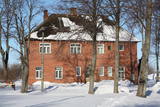 |
Der Name Ainaži ist untrennbar von der lettischen Seefahrtsgeschichte. Im Jahr 1864 wurde hier die erste Seefahrtsschule gegründet, in der auch die Kinder der lettischen Bauern lernen konnten. Es ist gesetzmäßig, dass Ainaži zu einem bedeutenden Zentrum für den Bau von Schiffen für Küstenschifffahrt und zu einem Hafen wurde. Das wirtschaftliche Leben der Stadt hat die im Jahr 1913 eröffnete Schmalspurbahnlinie Smiltene-Valmiera-Ainaži begünstigt. Heute ist die Stadt Ainaži eine kleine und stille lettische Stadt, die mit mehreren interessanten Sehenswürdigkeiten an der Grenze zu Estland liegt. |
|
 |
RADADA ir radošā darbnīca, kura ierīkota senā ugunsdzēsēju depo. Audumu apdrukas ar saviem orģināliem zīmējumiem rokas sietspiedes tehnikā. Apdrukā apģērbu ar rakstiem un simboliem, kas simbolizē Latvijas dabu, latviešus un to spēku. |
|
|
|
Der Pfad beginnt an der 1878 erbauten Jēču Mühle beim dendrologischen Park und den Steinsammlungen. Sie erfahren, was Drumlins und Moränen sind, lernen verschiedene Moorarten, die eigenartigen Steinhaufen und die Kraujiņu Steinaufstapelung kennen. Dafür benötigen Sie wasserdichte Schuhe und einen örtlichen Reiseführer oder Begleiter.
|
|
 |
BURSH brewery – one of the smallest breweries in Latvia which is situated between Zemgale, Vidzeme, Latgale and Selija territories – in the Plavinu territory of Aiviekste district. Beer connoisseurs are offered dark and light beer BURSH. BURSH is made of water, barley malt, hop and yeast, is boiled on a firewood stove, fermented in oak barrels and prepared for 30 days. LLC „ECOS” uses only natural raw material in the process of brewing. Beer is made according to the special recipes made especially for BURSH brewery and with attention to traditiaonal methods of brewing beer. |
|
 |
Das Restaurant befindet sich in dem großen Saal des rekonstruierten Landgutes von Liepupe. Hier werden die alten Vorbereitungstraditionen von ländlichen Speisen mit den modernen Methoden verbunden. Das Restaurant arbeitet mit Bauern zusammen. Grüne Kräuter und Gewürze sind aus dem Garten des Landgutes. Gäste können an der Vorbereitung der Speisen auf einem Holzherd in einer Küche aus alten Zeiten teilnehmen. Lettische Küche: Roggenbrotkanapee, Auslese von lettischen Käsen, ländlicher Salat mit grünen Kräutern, gegrillte Gemüse der Saison, Brühe des Landgutes, Speisen aus einheimischen Fischen, gebratene Schweineschnitzel, in Gewürzen gebratenes Lamm. |
|
 |
Die Strandbar befindet sich am Strand und bietet eine weite Aussicht auf den Strand von Saulkrasti. Lettische Küche: Kalte Suppe, gebratenes Kabeljaufilet, hausgemachte Frikadellen, Schweinebraten, Pfannkuchen mit Quark, karamellisierte Haferflocken. |
|


