
| No | Name | Description |
|---|---|---|
 |
The restaurant is in Bocmaņa Square in the centre of Salacgrīva and on the banks of the Salaca River. The well-known “Pie Bocmaņa” saloon has been redesigned and features the topic of Baron Munchhausen. Latvian cuisine: Herring salad, herring with cottage cheese, fish soup, breast of pork with onions, grey peas with bacon, fried livers, baked plaice, baked filet of pike-perch, stacked rye bread. |
|
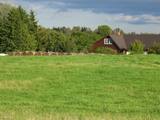 |
The owner offers cheeses and smoked meats. Tourist groups and individuals are welcome, and the farm’s products can also be purchased in Rīga. |
|
 1 day
|
The smoke sauna is an important part of everyday life in the Võru community in Estonia. It is the centre of a rich set of traditions including the actual bathing customs, the skills of making bathing whisks, building and repairing saunas, and smoking meat in the sauna. The sauna is a building or room heated by a stove covered with stones and with an elevated platform for sitting or lying. It has no chimney, and the smoke from the burning wood circulates in the room. People usually go into the sauna together and remain until they are sweating. Water is thrown on the heated stones to produce hot steam-laden air and bathers beat their bodies with whisks to remove dead skin and stimulate blood circulation. After sweating, whisking, relaxing and possible healing procedures, people cool themselves outside and rinse their bodies with water. The procedure is then repeated. The smoke sauna tradition is primarily a family custom, usually practised on Saturdays, but also before major festivals or family events. Its main function is to relax the body and mind. Families take turns hosting each other. Usually an older family member is responsible for preparing the sauna, accompanied by the children who gradually acquire the necessary skills. The smoke sauna tradition is part of the UNESCO Representative List of the Intangible Cultural Heritage of Humanity. |
|
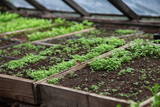 |
The farm grows some 25 types of plants and prepares products from approximately 50 types of plants. Visitors will learn about the use of medicinal plants not just in teas, but also in oils, extracts, tinctures, syrups, etc. These can be used for everyday nutrition. Products can be tasted and bought, and you can help out with the farm’s operations. There is also livestock to view. |
|
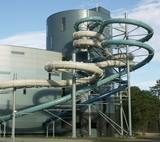 |
Der älteste und größte Kurort Litauens (seit 1794). Mikroklima (Luft der Umgebungswälder), salzhaltigee Quellen, Heilschlamm. Die Altstadt ist ein städtebauliches Denkmal. |
|
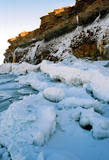 |
At the end of the Pakri peninsula is the most visually impressive shoreline cliff in the Baltic States – the Pakri cliff (Pakri pank), which is as much as 24 metres high. During cold winters, streams which flow from the layers of limestone cliffs form fantastic and unusual shapes of ice.
|
|
 |
The Jēkabpils Museum of History offers an educational programme, “The Story of Cheese,” which provides information about the ancient history of cheese, interesting aspects of cheese making and the cheese-related traditions of the former owners of the Krustpils castle, the von Korf dynasty of noblemen. Tours are available for groups of 10 or more people. |
|
 |
The zenith missile brigade and its communications headquarters were used for the provision, planning and co-ordination of radio communications. The object is all but abandoned, but it is owned by the Latvian Repatriation Centre and the Christian Mission.
|
|
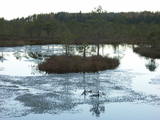 |
Teiči Nature Reserve — untouched territory, bogs, and birds. This is a significant bird resting place before seasonal migrations. Here you can see up to 1,500 cranes and 8,000 geese at once. The bog is a mating-place for black-cocks, therefore if you are near in an early spring, listen, and maybe you will hear these majestic mating calls. The trail can be visited only with the Nature Conservation Agency employee's escort from June 1 until October 31. |
|
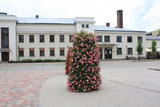 |
Old Town Square is the city’s historic centre. It was here, on February 12, 1670, that Duke Jacob of the Duchy of Courland proclaimed the establishment of a town. During the early 20th century, the square was covered in paving stones, and the city market was held there. On the sites of the square are the People’s Centre, the Unitarian Church and a tourism information centre. In the square are a water pump, an enormous scale, and a sculpture of a cougar, which is the symbol of Jēkabpils. From here you can tour the historical centre of Jēkabpils with its narrow streets and low-story buildings. |
|
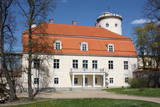 |
The New Cēsis Castle (Pils Square 9) was built in 1777 as a residence for Karl Eberhard von Zievers, and it is home to the Cēsis Museum of History and Art, which was opened in 1949. The building has a neo-Gothic tower decorated with curved arcades and window apertures. It is one of the first examples of eclecticism in Latvian architecture. Beginning in 2012, the museum will feature a modern exhibition under the title "Latvia: Symbol of Latvian History." This will be an interactive exhibition featuring the history of Cēsis and its environs since the era of the Vendians and up to the early 20th century. There will be sections on the history of the Latvian flag, the lives of the Zievers dynasty, and the family's great contributions toward the development of Cēsis. The third and fourth floors of the castle are dedicated to temporary exhibitions, and there is a special room there for families and children. The tower of the castle offers the best view of the Cēsis Castle ruins, the old town, and St John's Lutheran church. |
|
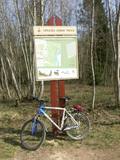 |
This is a tour that will take you trough time and space, because it clearly reveals the history of the location since the end of the Ice Age, which created the impressive ancient Gauja river valley. Uncovered sandstone leads one back to the Devonian period, known as the “fish age” – here we’re talking about history that dates back hundreds of millions of years. Human beings arrived in the region quite recently, but they’ve also left lots of evidence behind.
|
|
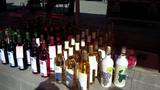 |
The owner of the venue makes homemade wine on the basis of traditions that have been handed down from generation to generation. You can taste four different wines along with snacks and engage in philosophical discussions about winemaking recipes. You can also buy the wines. |
|
 |
Mežvidi (SIA Latgale Vegetable Logistics) began operations in 2007 and sells tasty and healthy red tomatoes. The owners plan to grow and deliver tomatoes during the winter, when people have the greatest need for healthy and vitamin-rich vegetables. The farm helps to facilitate co-operation among people who farm vegetables, and it informs the public about how tomatoes are grown. |
|
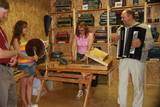 |
Here you will find a vast collection of antique instruments. You’ll learn about their history and about how they were manufactured. You can play music or commission or purchase homemade instruments. If you contact the venue in advance, the Igaunis family will organise a concert performance for you. |
|
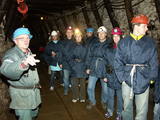 |
Gas mixture is the main raw material for Estonia’s energy and chemical industries, and it is extracted in our day from open quarries or underground shafts. This layer was established during the Ordovician Period between 450 and 480 million years ago, and it is made up of the remnants of plants and animals from that age. In the Kohtla-Nõmme suburb, there is a shaft which can be toured in the company of a guide who will tell you that this is the only layer of its kind in the Baltic States. He will tell you about how the gas mixture has been extracted over the course of history.
|
|
 |
Saimniecība nodarbojas ar sporta zirgu audzēšanu, sniedz zirgu viesnīcu pakalpojumus un var nodrošināt zirgu izmitināšanu brīvā dabā 24/7. Tiek audzēti kumeļi no augstvērtīgiem ērzeļiem: Aromāts (Acorado/Capiotol I), Fumo Twirre MP (Numero Uno/Voltaire), Cool Crack Z (Cornado I/Cassini II). Saimniecībā tiek izmitināti arī citi lauksaimniecības dzīvnieki, kurus viesiem ir iespēja apskatīt, samīļot un pacienāt ar gardumiem. Ir iespēja baudīt lauku gaisotni un apgūt iemaņas, kā izaudzēt veselīgu pārtiku - olas, gaļu, garšaugus. Piedāvājumā arī piknika vietas, noma korporatīviem pasākumiem un bērnu ballītēm, telšu vietas un aktīvās atpūtas iespējas. Ikdienā apkalpo tikai individuālus viesus vai korporatīvus pasākumus, saimniecība netiek piedāvāta plašākai apskatei. |
|
 |
Latviešu dziedātāja un rakstnieka Marisa Vētras (īstais vārds – Morics Blumbergs) (1901. – 1965.) piemiņas akmens pie viņa dzimtajām mājām „Dārtiņām”. Norādes uz akmeni nav, tādēļ objektam var pabraukt arī garām. |
|
 |
The biggest ostrich farm in Latvia, located near Kuldīga, provides the opportunity to purchase healthy and valuable ostrich meat products and go on an excursion in the ostrich and goat farm. |
|
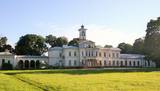 |
This is one of the most expressive estates built in the style of Romanticism. Dating back to the 19th century, it is on a peninsula in Astravo, which can easily be reached from Biržu along the longest wooden bridge in Lithuania, crossing Lake Širvenos. Covering 18 ha, the mixed-plan park was installed from 1851 until 1862. Local fir trees, linden trees and pine trees grow in the park. |
|


