
| No | Name | Description |
|---|---|---|
 |
A café in Baloži, located 11 km from Riga, that offers a wide range of dishes for every taste, from breakfast and snacks to a variety of main dishes, both from local and European cuisines. An especially friendly place for families with babies. |
|
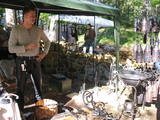 |
The workshop offers a look at lanterns, candelabras, hinges, fireplace tools, stair railings and gates that have been manufactured there, as well as several exhibits from the 18th century. You can produce your own nail, and the blacksmith will also “test” young couples. He also accepts orders for products. |
|
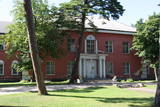 |
The former military field hospital is in the park, south from Ventspils Seaside Open-air Museum. A few of the small architectural forms of the building have been preserved.
|
|
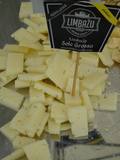 |
The Limbažu Cheese factory has more than 90 years of experience with dairy processing. It only uses milk from local farmers in Vidzeme, while the dairy processing technologies have been brought in from Switzerland. Limbažu Cheese exports 95% of its output. Alongside the company and on the other side of the street from the ruins of the Limbaži castle is a little store where the company’s products can be bought. |
|
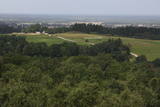 |
The wooden tower was built and stands 28 metres high. It is at the top of the highest hillock of the Northern Courlandian Highlands – Kamparkalns Hill (175 metres above sea level). The tower offers one of the loveliest views in the region of the hillocks of Talsi. On a clear day, you can see all the way to the Bay of Rīga and Talsi. |
|
 |
The Sutru Berry Garden is in the Sutru Parish in the Līvāni Administrative District. It grows blackberries in tunnels, which means that the berries ripen far more quickly than elsewhere in Latvia. You can purchase berries on site. |
|
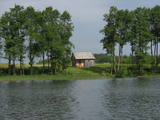 |
Līčiem, pussalām un salām bagāts ezers ar izrobotu krasta līniju, kas savienots ar Zvejnieku un tālāk - citiem Latgales augstienes ezeriem. Ozolu un platlapju meži, kas aug uz ezera salām un pussalās ir ne tikai aizsargājami, bet arī Latvijas mērogā nozīmīgi biotopi. Tiesa, to vērtību apzināsies tikai vides speciālisti. No Jašas ezera var uzsākt laivu braucienu pa vienu no Latgales ezeru "kēdēm". Ezera austrumu krastā atrodas Geļenovas parks.
|
|
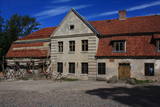 |
Documents show that the first windmill was built here in the 13th century along with the Kuldīga Castle. During the rule of Duke Jacob, gunpowder was manufactured at the windmill, and it later became the first place in Kurzeme where paper was manufactured. The building took on its current appearance during the 19th century. During the Soviet occupation, a metal processing workshop was in it. |
|
 |
Vecpiebalgas vecajos kapos (Vecpiebalgas austrumdaļā, pa ceļam uz "Saulrietiem" un "Vēveriem") apskatāms piemineklis, kas veltīts brāļu Kaudzīšu romāna "Mērnieku laiki" personāžam - Lienai. Piemineklis uzstādīts 1987. g. (tēlniece M. Baltiņa). Pirms ceļojuma atkal ir jāpāršķirsta "Mērnieku laiki"! |
|
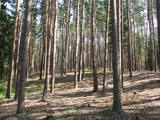 |
Aizaudzis un purvains ezers - Ļūbasts, ar grūti pieejamiem vai nepieejamiem krastiem. Dabas vērošanai šobrīd nepiemērota vieta. Galvenās aizsargājamās vērtības - dažādas putnu sugas, t.sk. dzērves un melnie zīriņi.
|
|
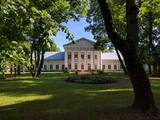 |
Located on an island in Lake Dviragio, the Salu Estate and its park, when viewed from above, are reminiscent of the boundaries of Lithuania. The park to the east of the estate is a mixed-type park and is one of the oldest ones in Lithuania. Back in the day, it was a forest park where trees were never cut down. The park featured maple, linden, elm, aspen and other local trees, and they are now around 200 years old. A winding path links the alley to a park trail by the lake. The various plants and fragments of alleys have survived to the present day. |
|
 |
The town's name in historical sources was first mentioned in 1224. In 1340 Archbishop of Riga built a stone castle at the Latgalian hill fort (now - the Lutheran Church). In 1802 (owned until 1920) Vecgulbene estate was bought by Baron G. Wolf. Manors in the surroundings of Gulbene and Vecgulbene castle substantially suffered during the Revolution in 1905 and in the further historical events. Today, there is a substantial change in the landscape, especially in the area of White Castle, where a large-scale restoration works occurred in recent years. Either way, - Gulbene is the place worth visit to get new impressions and knowledge. |
|
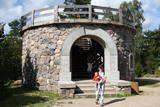 |
This arboretum park is in a lovely place – the Blue Hills of Ogre, where there is a tower with a good view of the Daugava River Valley. The landscape is enlivened by a pond and its streams. There are beautiful hiking trails throughout the park.
Unique species: The Amur Cork Tree (Phellodendron amurense) and the Field Elm (Ulmus minor), among others.
|
|
 |
Atrodas Skuķu ezera ziemeļaustrumu krastā. No torņa labi saskatāms aizaugušais Skuķu ezers ar nelielām ūdens lāmām un ūdeņiem bagātos pavasaros pārplūstošā Dvietes paliene. Laba putnu vērošanas vieta. |
|
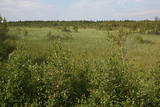 |
There is no need to enter the bog to see it, there are good views from the highway Ventspils – Riga (77 km, bus stop “Pagrieziens uz Elkskeni”). The main value of restricted area is chalky fen bog with brown bog-rush (greatest habitat finding in Latvia). Be careful when stopping on the highway – mind the traffic! A couple of kilometers towards Riga, on the right side of the highway, there is sign to Grizu Velna kresls ( Grizu Devil Chair) which is an attractive boulder (protected).
|
|
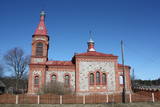 |
During restorations of the tower of the Kolka Lutheran church in the 1990s, a document was found which spoke to the conversion of many Livs to the Orthodox faith. The document was placed in the tower in 1885, when the church was being constructed, and it says that the decision by Livs to join the Orthodox church was based not on faith, "but instead as a resource for accessing advantages in relation to land." The Orthodox congregation purchased land from a local aristocrat in 1885, and in 1990, a church, manse and school were built on the land. All three buildings have survived to the present day. The church has its own congregation, and worship services are held once a month. There are news to show that Kolka is the only Liv shoreline village in which an Orthodox church was built during the 1890s. The church's bell dates back to 1936. During the Soviet era, the church was used as a mortuary, but today its original functions have been restored to it. |
|
 |
Atrodas 0,1 km ziemeļos no Dobeles pilsdrupām - laukumā starp Tērvetes ielu un Liepājas šoseju. Tas veltīts 1. pasaules karā un Latvijas Brīvības cīņās kritušajiem kareivjiem. 1940. g. pilsētas Vienības laukumā atklāto pieminekli (tēlnieks K. Zemdega) desmit gadus vēlāk uzspridzināja, bet 1996. g. atklāja no jauna (tēlniece I. Berga). Laukumā apskatāms 1989. g. uzstādītais piemiņas akmens (tēlnieks M. Zaurs) zemgaļu aiziešanai no Dobeles, kas notika 1289. g. Pirms aiziešanas uz Lietuvu, tie nodedzināja savu koka pili Dobeles pilskalnā. No laukuma paveras labs foto – rakurss uz Dobeles pilsdrupām. |
|
 |
Taka izveidota Limbažu Lielezera ZA galā, tā ir 3.6 km gara vienā virzienā. Ezeru ziemeļu galā izbūvēts putnu novērošanas tornis. Izbūvēts bērnu rotaļu laukums, labiekārtotas atpūtas vietas, izveidota laivu piestātne. Pāri Donaviņai izveidots gājēju tiltiņš uz pontoniem. |
|
 |
You can produce your own beer stein, candelabra or teacup with your name on it, and it will be fired in the same kiln which the master craftsman uses. He will wait for you to return to the location to pick up what you have designed. You can purchase clay dishware, work with clay, help to open the kiln, take a tour, and listen to stories about pottery traditions in Latgale. |
|
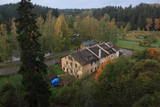 |
The history of Līgatne cannot be separated from the paper factory which was once the only factory of its kind in Latvia. Tours are available in the company of a guide. During the late 19th and early 20th century, the company built homes, a school, a birthing centre, a hospital, a club, a guesthouse and other buildings for its employees, and most of these buildings have survived to this day. There are more than 200 interesting underground passageways which are still used as warehouses for various items, including vegetables. |
|


