
| No | Name | Description |
|---|---|---|
 |
The farm produces tomatoes, cucumbers, strawberries, grey peas, herbs, pumpkins and cabbages, and it also has a group of chickens which spend their time outdoors. The farm’s products are available for purchase. |
|
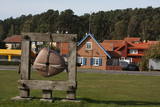 |
Old fishermen village, which was first mentioned in 1429. Before WW2 Juodkrante was popular resort in Europe and it still has its traditions nowadays. Village has an unique scenery with its wooden houses, promenade, Lutheran Church (1885), Lithuania's Art Museum Hall and much more. |
|
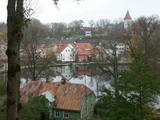 |
The historical centre of Talsi, which is known as the town of nine hillocks. The historical construction around Baznīckalns hill, Lake Talsi and Lake Vilkmuiža mostly dates back to the 19th century. Lielā Street is particularly beautiful with its low-rise buildings (two or three floors and ridged roofs). There are beautiful views from the area around Lake Talsi and Ķēniņkalns hill. |
|
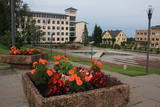 |
Madonas centrālais laukums, kas vēl 20. gs. sākumā bija tirgus laukums. Pēc apjomīgās restaurācijas tas ir kļuvis par ievērības cienīgu pilsētvides objektu. Laukuma ziemeļu pusē atrodas pilsētas un novada pašvaldība un Madonas novada TIC. |
|
 1 day
|
Dodieties ekskursijā, lai gūtu ieskatu lauku profesijā un dzīvesveidā, kā arī iegūtu jaunus iespaidus un labu atpūtu visai klasei. Ekskursijas laikā apskatiet iespaidīgākās un krāšņākās smilšakmens klintis Vidzemes piekrastē, kur viļņi ir izveidojuši līdz 6 m augstu stāvkrastu. Pēc tam apmeklējiet muzeja ekspozīciju, kura iepazīstina ar leģendārā fantasta un melu karaļa piedzīvojumiem un dzīves gaitām. Turpat netālu mežā izveidots vairākus km garš taku tīkls, un taku malās izvietotas dažādas koka skulptūras. Ekskursijas noslēgumā dodieties uz keramikas darbnīcu, lai uzzinātu, kā no māla top dažādi trauki un sadzīves priekšmeti, kā arī paši pamēģinātu roku kāda priekšmeta izvirpošanā. |
|
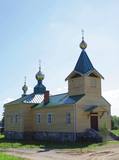 |
Tiskādi Orthodox Church is the cultural monument of the local significance. The construction works of the building lasted from 1829 to 1878. The
church was reconstructed in 2008. The church has antique icons and the library
of sacred literature.
|
|
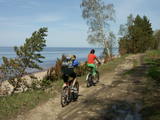 |
The largest NATURA 2000 territory in Latvia covers 6% of the country’s area. It is located in parts of the Limbaži, Valmiera and Valka districts, and it is a place of an enormously diverse range of landscapes, biotopes and species. The Salaca River is one of the most important rivers in the entire Baltic Sea region in terms of spawning grounds for salmon. The river valley and its sandstone cliffs attract many visitors. It is no accident that this is the second most popular river in Vidzeme for water tourism. The shore of the Bay of Rīga, which is not very long, also features a great diversity in landscapes and biotopes. At the northern end, we find the Randu meadows. In the central part there are sandy beaches, but at the southern end – 22 kilometres of rocky shoreline. The so-called Northern swamps are found on the border with Estonia, while the Seda heath is one of the most important places in the region for birds to rest and feed during migration. The reserve also features a diverse forest in which one can find all of the types of forest which are common in Latvia. Nature trails and viewing towers or platforms are found in the Randu meadows, on the banks of Lake Burtnieks, along the Planči and Niedrāji-Pilka swamps, on the banks of Lake Dziļezers and Lake Lielezers, and elsewhere. The Skaņākalns park in Mazsalaca is one of the most popular tourist destinations in Northern Vidzeme. The territory boasts many important cultural monuments, including one of the earliest known settlements in Latvia – a fishing settlement and burial ground which date back to the 5th to the 2nd millennium BC.
|
|
 |
Atrodas netālu no Biksēres muižas, blakus muižas parkam. Ozolkalna klēts saimniece Līga Kuba aušanas prasmes pirms pāris gadiem apguvusi Sarkaņu amatu skolā. Šeit radusies iecere par privātas aušanas darbnīcas izveidi, kas arī īstenota. Saimniece savas aušanas prasmes nodod jebkuram interesentam. Apmeklētāji var iegādāties šeit darinātos suvenīrus. |
|
 |
(V-1279) linked Kuldīga and Alsunga before a new road was built. The lovely gravel road weaves through forests and farmland. During appropriate weather, it can be used as an alternative road to learn about the landscapes of the Suiti region. You can also bike down the road. |
|
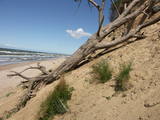 |
Ancient legends say that ship sank in the sea near the old cemetery during a storm and during a worship service. The pastor and members of the congregation volunteered to use a rowboat to save the crew of the ship. Some of the men were rescued, while others were washed ashore. In honour of this tragic, but also happy solution, the captain called the place Feliksberga, or the Lucky Shore. Later it became known as Pilsberga, and it was renamed Jūrkalne only in 1925. |
|
 |
The café is at the edge of the Cēsis-Valmiera road. It is in a log building with a Latvian interior design. Vegetables and fruits are bought from local farmers. Latvian cuisine: Crepes, potato pancakes, cold soup, wild mushroom soup, sorrel soup according to a recipe from granny, porridge, grey peas, baked herring, filet of cod, beef sautéed in Brenguļi beer, sautéed rabbit, stacked rye bread. Special foods: "Glendeloka". |
|
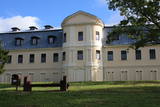 |
There are several buildings from the estate that survive to the present day and were built by the Plater dynasty of noblemen. The old mansion that is on the side of the Count Plater Street was built in 1759 on the banks of the Jāņupīte River. The Baroque building was designed by an architect from Venice, Antonio Parazzo. Later the mansion was rebuilt, and after a new castle was erected, the Plater family spent its summers on the first floor of the old building. The second and third floors had a library with some 20,000 books. The noblemen managed to move most of the contents of the library to safer locations during World War I, when the library as such was destroyed. Work on the new castle of the Krāslava Estate (on the upper part of the Daugava River Valley) began in 1756 (architect Domenico Parazzo). Initially it was in the Baroque style, but reconstruction at the turn of the 18th century involved Classicism. Unique Rococo wall paintings with views of Rome have been discovered in the building. These were based on samples from castles in Poland and were painted during the 1760s and 1770. A high school used the new castle until the 1970s. Then the building was abandoned and gradually turned into a ruin. More recently there has been major renovation of the castle’s façade, and it now has a good appearance. Surrounding the structure is a romantic landscape park that dates back to the mid-18th century. It is on the hillocks of the Daugava River Valley and the valleys that cross it. An artificial grotto has been restored, and a statue of a lion stands guard over the site. The stairway has been placed in its historical location, and the park features pathways and a yard. |
|
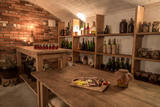 |
Die Gäste sind eingeladen den traditionellen, litauischen ethnographischen Keller zu besuchen. Hier wird die Verkostung von gepökeltem Speck aus eigener Produktion mit sauren Gurken aus ökologischem Anbau geboten, zudem kann man sich Frischkäse mit verschiedenen Beerenmarmeladen schmecken lassen und die ganze Sache mit auf dem Hof erzeugten Wein und Apfelwein abrunden. Im Angebot steht ferner Kräutertee aus Gemeinem Schneeball. |
|
 |
Peony collector Andris Berkens opens up his garden to visitors each spring and popularises and praises the name of Tērvete by bringing beautiful stories about flowers throughout the world. Flowers can be purchased to enhance a visitor's garden, and the recommendation is to visit when the flowers are in full bloom. Visit is free of charge. |
|
 |
Maršruts "Murjāņi - Līgatne" ved caur Gaujas senieleju ar devona smilšakmens atsegumiem, raksturīgo augu valsti un dzīvniekiem. Krastos sastopami Latvijā lielākie nogāžu un gravu meži ar liepām, ozoliem, gobām un ošiem. Upes līkumos palienē aug baltalkšņu un vīksnu audzes. Uz koku stumbriem atrodams plaušķērpis. Senieleja bagāta ar sausokņiem un kritalām, tāpēc Gaujas krastu mežos dzīvo visu Latvijā sastopamo dzeņu dzimtas sugu putni. Smilšainajās Gaujmalas pļavās un Gaujas vecupēs ir bagātīga bezmugurkaulnieku fauna. Upes krastos ir smilšakmens klintis ar čurkstu alām un zivju dzenīša ligzdām. Klinšu pakājē iztek avoti, kas uztur mikroklimatu ielejā. Gauja ir nozīmīga arī kā Latvijas lielākā lašupe. Maršruts ir daļēji marķēts un papildināts ar norādēm un informācijas stendiem. |
|
 |
You can go fishing in five fish ponds and then dry the fish. The owner prepares hot-smoked trout, dried carps, and fish soup cooked on a campfire. You can also buy chicken eggs. |
|
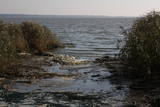 |
Das beinah 100 km langes und bis zu 36 km breites aus dem Süßwasser bestehende Haff, das im Norden mit der Ostsee verbunden ist. Das Haff trennt vom Merr die eindrucksvolle Kurische Nehrung. Ins Kurische Haff mündet der größte Fluss Litauens Nemunas ein. |
|
 |
This nature park protects the landscapes of the Latgale highlands. Of importance here are Lake Ruskulis and Lake Cīrītis with its eight islands, along with the forests of the area. An ancient castle hill is on one of the islands in Lake Cīrītis – the Upursala island. There and on the Oši island, specialists have found more than 250 species of plants. |
|
 |
The botanic garden is part of the Siauliai University and is the newest and smallest botanical garden in Lithuania, covering 6.54 ha of land. |
|
 |
The owners of Tahku coastal houses organise cucumber marinating and salting workshops with a happy mood. Cucumber festival Tahkuranna takes place every year on 20 August, and there you can buy canned cucumbers, local food and handicrafts, participate in master classes, and also make handicrafts. |
|


