
| No | Name | Description |
|---|---|---|
 |
The cafe is situated in Stende, approximately 12 km away from Talsi. |
|
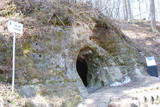 |
Ruins of a Livonian Order castle tower atop a steep hill alongside the Pärnu-Valga highway in Helme. The castle changed hands from Germans to Russians and Lithuanians to Swedes who eventually destroyed it in 1658. The spring at the foot of the hill is believed to cure seven diseases. |
|
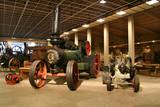 |
This museum offers a look at the Latvian countryside, informing visitors about the history of the development of the agricultural sectors and popularising evidence about farming and life in Latvia's countryside from the late 19th century to the present day. The interest of visitors is facilitated by various equipment used to process the land and harvest and process the crops. There are also various tools. |
|
 |
Piedāvā pirts rituālus ar sildīšanu un pēršanu ar slotām, kontrasta procedūrām, dažādām maskām un augu skrubjiem. Saimniecībā ražo un popularizē ārstniecības augu lietošanas tradīcijas. Piedāvājumā dažādas zāļu tējas. Atkarībā no gadalaika, iespējams baudīt un iegādāties dažādus augu sīrupus. Izgatavo zāļu paklājus pirtij. |
|
 |
The LIELKALNI farm planted two hectares of uncommon berries four years ago – golden currants, viburnum, large-fruit hazel trees, sea buckthorn, the black elder, five-flavour berries, the Chinese gooseberry, edible honey-suckle, etc. The farm has been biologically certified since 2008. In 2009 it received certification from the Latvian Food and Veterinary Service for the production of health-boosting syrups, jellies, jams and teas. Tourists can taste the teas, seasonal berries, syrups, jellies and other treats, all of which are also available for sale.
|
|
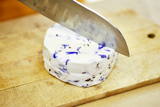 |
This farm keeps Thuringian breed goats and makes goat's milk cheese, as well as a various snacks. In addition, herbs and medicinal plants used for teas and natural cosmetics are also grown here. |
|
 |
For the groups of gourmandes the owner offers to participiate in different culinary workshops (2-3 hours): „The sweet cake workshop”, „The untraditional seasonal vegetable foods workshop”, „Pizza workshop”, Preparing hemp butter”, etc. Those who don’t wish to cook themselves are offered a lazy countryside dinner in combination with watching the farm, the grapes garden and talks about countryside life. |
|
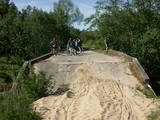 |
The Kauguri canal dug in 19321933
to divert the waters of the Džukste and
Slampe rivers to the Lielupe River to avoid
broader emergence of swamps.
|
|
 |
Atrodas Skolas ielā 12, Priekules pamatskolā. Tās krājumā ir plašs Priekules novadā iegūto vēsturisko liecību klāsts – sadzīves priekšmeti, darbarīki, dokumenti, padomju gados izsūtīto un represēto cilvēku atmiņu stāsti u.c. liecības, kā arī Priekules skolu attīstības vēsture. |
|
 |
Go horseback or wagon riding all year long, find contacts with goats, sheep, chickens, turkeys, geese, and ducks, and taste smoked goat cheese. The owner also produces Christmas and other decorations. |
|
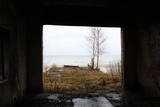 |
Today it seems unbelievable that just 20 years ago there were buildings on the coastline with massive projectors that were rolled onto a platform at night so as to shed light on the nearby sea and beach and to look for potential violators of the border regime. Only the buildings and the ruins of the platform are still there – they have been seriously damaged by the waves of the sea.
|
|
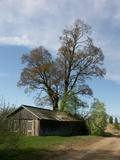 |
This is a large, outstanding and expressive tree, Latvia’s thickest Norway Maple (Accer platanoides).
|
|
 |
In mid-summer, the farm features the beautiful blooms of rapeseed and flax. A special facility for pressing rapeseed and flax seed oil is on site. You can watch the oil pressing process and purchase some of the resulting oil.
|
|
 |
Ap 9 km garā taka (vienā virzienā) sākas Skaņākalna dabas parkā (Mazsalacā) un beidzas pie Ramatas. Tā iepazīstina ar Salacas ielejas dabas parka nozīmīgākajām vērtībām – smilšakmens atsegumiem (Skaņaiskalns, Dauģēnu klintis u.c.), alām, nozīmīgu izmēru laukakmeņiem u.c. Taka marķēta. Tajā izvietoti informācijas stendi, norādes. Jāpadomā par loģistiku – kā nokļūt sākuma punktā. |
|
 7 days
|
Beer and fish is an important part in the Latvian heritage. The tour introduces you with Latvia through these two fundamental components. While in Riga you have a tasting of the beers from all four Latvian regions and typical snacks as an introduction. Then the tours goes out to the countryside. First stop at the Bauska Brewery which takes pride in their products free of preservatives. Then there is a visit to Rundale Palace and the reconstruction of an ancient Semigalian castle at Tervete. Then visit Tervete Brewery which is a part of multifunctional agrocompany. All their beer ingredients are locally produced. Next day you see how beer is made at home using traditional methods and could taste the difference. Afterwards the tour goes to Liepaja. The city has nice white sandy beach, atmospheric town centre and significant military heritage at Karaosta suburb nowadays used mainly for tourism. Then the route goes into small picturesque town Kuldiga with well-preserved wooden architecture and the widest waterfall in Europe. Another visit to brewery - Uzavas Brewery which specialises in live beer. Then sightseeing of port town Ventspils and fishermen meal and games at small harbour town Roja. Next day you could enjoy morning walk on the beach after which there is a visit to fishermen house to see fish smoking process. Then the route turns back to Riga with an atmospheric bog walk at 'Kemeri National Park on the way and stop at sea resort Jurmala with characteristic wooden villas from 19th century and a lunch at potato restaurant. |
|
 |
In the very heart of Mulgimaa there is a family brewery that respects local foods and beverages. Visitors can observe the beer making process and taste different sorts of Mulgi beer. |
|
 3 days
|
Šis ir viens no 6 ceļojuma maršrutiem sērijā "Baudi laukus!", un tas aicina apmeklēt Lauku Labumus – visdažādāko veidu un nozaru saimniecības un uzņēmumus, kas atvērti apmeklētājiem, piedāvā ekskursijas, nogaršot, apskatīt un iegādāties savus ražojumus. Tur apskatāmi mājdzīvnieki, mūsdienīgas lauku saimniecības, amatnieku darbnīcas, iegādājami lauku produkti – maize, medus, mājas vīns un alus, siers, ogas, augļi, zivis, gaļa, dārzeņi, tējas un citi laukos audzēti labumi. Pa ceļam iespējams ieturēt pusdienas lauku krodziņos. |
|
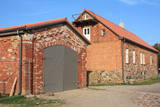 |
Found on the right bank of the Saka River at Dzintaru Street 1, the museum is in the first red brick and fieldstone building in Pāvilosta. It was built in 1879 for ship pilots. The museum focuses on the history of the local region, particularly in terms of fishing and seafaring. Among the exhibits are stone and bone axes, bronze brooches and belts, as well as a unique honey press, all of which have been found in the Saka Parish. Alongside the museum is a boathouse with larger exhibits. A mansard that was opened in 2012 is a site for exhibitions and thematic events. The museum’s phone number is +371-6349-8276. Make sure that you also visit the oldest part of Pāvilosta – Āķgals, which is a typical coastline village from the 19th and early 20th century. |
|
 1 day
|
Tūrisma gide Ineta Jansone piedāvā ekskursijas grupām uz Ķemeriem un iepazīstina ar Ķemeru kūrorta vēsturi. Kopš seniem laikiem Ķemeri slaveni ar to, ka šeit ir daudz sērūdeņu avotu un ārstnieciskās dūņas. Šurp brauca ārstēties kopš 19. gs. sākuma. 1838. gadā Ķemeros nodibināja kūrortu. Ķemeru kūrortā ārstēja ādas un kaulu slimības, kā arī gremošanas un nervu sistēmas slimības. 1877.g. izbūvēja dzelzceļa līniju Rīga - Tukums, bet 20.gs. sākumā tika ieviesta tiešā dzelzceļa satiksme ar Maskavu. Kūrorts bija ļoti populārs un katru gadu arvien vairāk viesu brauca šurp ārstēties. Īsi pirms I Pasaules kara atklāja elektriskā tramvaja satiksmi starp Ķemeriem un jūru - Jaunķemeriem. Ķemeri atrodas starp purviem un ezeriem, 6 km attālumā no Rīgas jūras līča. |
|
|
|
In 2006, a wooden pathway was installed across the Planči swamp – 500m long, which means that the visitor will spend around 20 minutes there. This is probably the only nature trail in Latvia for which there are plans to post information in Braille for people with impaired vision.
|
|


