
| No | Name | Description |
|---|---|---|
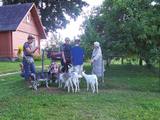 |
Latgale Farmstead „Mežmalas”. The owners of the farmstead created an interesting collection of the old
household items, tools and equipment of the 19th and 20th century. The visitors are offered to try plainting of
the scale basket. Sale of baskets and herbal tea. Enjoy walking along the energetic path through the pine forest.
Working hours: on request |
|
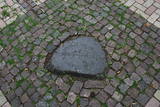 |
The Strūves Park is toward the northwest of Jēkabpils, on the left bank of the Daugava, and opposite the Ādamsona (Krustpils) island. The park was established in the 19th century as a place where the city’s residents could relax and hold celebrations. It can be said with absolute certainty that this is a place of global importance, because the park contains a memorial stone to Professor Friedrich Georg Wilhelm Struwe (1793-1864) from the University of Tartu. He was an astronomer and geodesist. The stone is at a place where Struwe completed his land survey of the Vidzeme Province of the Russian Empire. The meridian location which Struwe identified (and other points related to those locations are found in many other European countries) is on the UNESCO list of world heritage. |
|
 |
Here you can taste the best flavours of the beer kitchen Pihtla, traditional Saaremaa house beer, and also Saare cheese, Fresco ice-cream, apple lemonade and other local delicacies. |
|
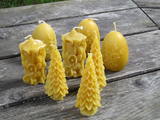 |
This farm is an apiary, with hives of bees gathering honey. The farm has won prizes for its products. You can take a tour and learn about the lives of bees and beekeeping products, make your own wax candles, or attend educational seminars. |
|
 |
The farm offers visitors an excursion around the garden and wine cellars; it is possible to try wine, as well as buy wine, candy and marmalade. |
|
 |
Atpūtas vieta "Buki" atrodas Ventspils novadā, Baltijas jūras piekrastes aizsargjoslā. "Buki" ir klusa vieta atpūtai, kur iespējams baudīt Latvijas lauku mieru. Piedāvā atpūtu ģimenēm ar bērniem, draugu kompānijām vai vienkārši dabu mīlošiem cilvēkiem. Atpūtas vietas teritorija ir labiekārtota un tajā ir iespējama makšķerēšana piemājas dīķī, sporta aktivitāte kā volejbols, kā arī teritorijā ir atrakcijas bērniem - batuts un šūpoles. Nakšņošanas iespējas 6 veidu kotedžās, 3 veidu numuros viesu namā un 2 brīvdienu dzīvokļos, kā arī teltīs un treilerī. "Buki" piedāvā vietas svinībām gan lapenēs, gan svinību teltī (līdz 100 personām), arī divas pirtiņas. Atpūtas vietas teritorijā ir mini ZOO, kurā iespējams ne tikai dzīvē ieraudzīt dažādu sugu un dzimtu pārstāvjus, bet arī tos apčubināt un pabarot. Mini ZOO var sadzirdēt pērļu vistas, dziedošu ēzeli Janci, redzēt krāšņo pāva asti, izbaudīt alpakas un lamas vilnas mīkstumu, satikt aci pret aci dažādus kamieļus un daudz ko citu. Tāpat saimnieki piedāvā dažādu mājražojumu (kūpināta gaļa un zivis, kazas siers, olas, desas, sezonas augļus un dārzeņus u.c. produkti) degustācijas. |
|
 |
The Cheese hut dates back to 1768 and was once part of the Kalnamuiža (Smiltene) Estate. It is the only object of industrial heritage that is still found in Latvia. On the first floor there was the storage of milk and a set of cheese pots. Stairs to the second floor have been lost. The second floor was used to dry cheese, and the process was facilitated by holes in the walls of the hut so that the wind could help in the process. Although the holes have been filled up, their placement can still be easily seen. The Cheese hut is alongside the ruins of the Medieval castle in Smiltene. Sadly, it is in terrible shape and can only be viewed from the outside. |
|
 |
Šis avots ir pazīstams kopš seniem laikiem. Kalpo kā laba dzeramā ūdens ņemšanas vieta. |
|
 5 days
|
Путь пролегает по красивейшему ландшафту Балтии – через Национальные парки Гауя, Лахемаа и Матсалу, Видземскую возвышенность, а также возвышенности Отепя и Пандивере. Также в маршрут включены Мунамегис, Чудское озеро и селения по его берегам, каменистое морское побережье в Северной Эстонии, самые живописные водопады Эстонии, рыбацкие поселки. Вы увидите природные тропы, смотровые вышки и самые великолепные поместья и дворцы. Возможно дополнительно организовать сплав на лодке по рекам Ахья и Выханду. |
|
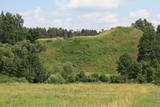 |
Das alte zemgalicshe wirtschaftspolitische Zentrum, das eine stark befestigte Siedlung vor der Ankunft der Kreuzritter war. Die Ruinen der Burg des Livländischen Ordens. |
|
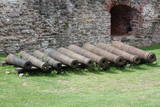 |
The Bauska Castle contains a collection of cast iron cannons which date back to the latter half of the 17th century and the beginning of the 18th century. They were manufactured in the Duchy of Courland. The cannons that are in the garden of the castle were not found there – they were found in different locations in Zemgale. Four of the largest cannons came from Jaunsvirlauka, where they were found on the banks of the Lielupe River opposite Emburga. They are the best preserved weapons of their type in Latvia. The only cannon that was found in the castle itself is currently in its South-eastern tower as a thematic exhibit. When it was being cleaned, two cannonballs were found in the weapons. The local Livonian Order castle is in ruins, but it and its defensive structures, including earthen ramparts that were installed from the mid-15th until the early 18th century, represent an important element of Latvia’s military heritage.
|
|
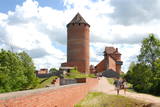 |
Before the stone Turaida Castle was built beginning in 1214, there was a wooden castle there that had been built by the Livs. The Turaida Castle was owned by the bishop of Rīga. It remained in place until 1776, when it burned down. The initial entrance to the castle's main tower was 9 m above ground, and in 1936, a viewing platform was installed at a height of 27 metres. There is no other view in Latvia that is like the one from the Turaida Castle! Restoration work at the castle began in 1953, when the upper level of the tower was restored and a roof was installed. Also restored was the former granary, which was home to an exhibition about the Sigulda region, along with the semi-circular tower and the southern segment of the castle complex, complete with the full reconstruction of its historical interior. Archaeological work was done around the castle between 1976 and 2001, and this led to the restoration of a large part of the complex. The castle now contains a museum exhibition related to the historical events of the surrounding area. The Turaida Castle is in the Turaida Museum Reserve (see above). |
|
 |
On the farmstead it is possible to look at sea-buckthorn plants, in August and September it is possible to take part in harvesting sea buck-thorns. The visitors will be told about sea- buckthorn, its growing and harvesting, its medical qualities and products. It is possible to see the production of sea-buckthorn products and try out the products themselves |
|
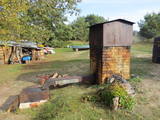 |
On the second Saturday of each month (or at other times that are arranged in advance), the owner will allow you to test your skills at smoking fish, after which you will be able to taste what you have produced. |
|
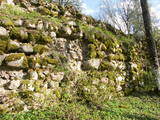 |
The Volkenberga Castle was built in the 13th century by the Livonian Order, and it was practically impregnable, as it was on top of Mākoņkalns hill. These were among the first fortifications in Latgale, and only fragments of the castle remain today. Architect Pēteris Blūms has said that this was a special type of fortification. Legends say that after the lord and lady of the castle died, the property was divided up among their three daughters – Roze, Lūcija and Marija. Each sister built a new castle on the land which she inherited – Roze built Rēzekne, Lūcija built Ludza, and Marija built Viļaka. A memorial plaque at the foot of Mākoņkalns hill recalls the visit which pre-war Latvian President Kārlis Ulmanis paid to Latgale in 1938. |
|
 |
Kafejnīca "Dižjūra" atrodas Mazirbē, Lībiešu tautas namā. Atvērta vasaras sezonā. |
|
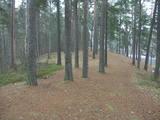 |
This territory is meant to protect the “green zone” of Rīga. Most of the park is covered with pine forest and dunes with shrubs on them, but Lake Beberbeķi is found at the southern end of the park. The area around the lake has been improved. |
|
 |
The Boulder of Subinaite can be found in Sakstagala rural municipality opposite Vaļenieku House that
is on the left side of the river Rēzekne. The base of the boulder is below the river level; it is 5,2 m long, 4,4
m wide, it rises about 1,6 m above the water level, about 2,5 m below the water level, capacity 26 m3.
Reddish surface is heavily eroded and full of moss. Protected since 1977.
|
|
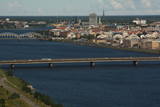 |
This 368 metre structure is the highest television tower in the European Union. Its viewing area, which is at a height of 97 metres, is the highest publicly available viewing area in Latvia. The location offers a fantastic view of Rīga and Old Rīga to Pārdaugava, the Bay of Rīga and Sigulda – a radius of at least 50 kilometres.
|
|
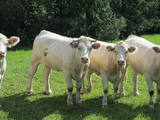 |
The farm produces vegetables, medicinal plants and honey. You can look at Charolais cattle and buy products. The lady of the house will talk about her experience in relation to her farm and biological farms that are in the neighbourhood. |
|


