
| No | Name | Description |
|---|---|---|
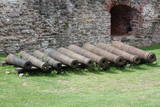 |
The Bauska Castle contains a collection of cast iron cannons which date back to the latter half of the 17th century and the beginning of the 18th century. They were manufactured in the Duchy of Courland. The cannons that are in the garden of the castle were not found there – they were found in different locations in Zemgale. Four of the largest cannons came from Jaunsvirlauka, where they were found on the banks of the Lielupe River opposite Emburga. They are the best preserved weapons of their type in Latvia. The only cannon that was found in the castle itself is currently in its South-eastern tower as a thematic exhibit. When it was being cleaned, two cannonballs were found in the weapons. The local Livonian Order castle is in ruins, but it and its defensive structures, including earthen ramparts that were installed from the mid-15th until the early 18th century, represent an important element of Latvia’s military heritage.
|
|
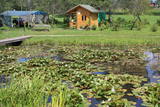 |
On the edge of the Bērzkrogs-Madona road in the centre of Vecpiebalga, you will find a pond full of various types of water lilies of different colours. The owner will tell you all about the popular folk song about water lilies from Vecpiebalga, offer plants for sale and offer practical advice. The pond also has carp which children can feed by hand while their parents are listening to the stories. |
|
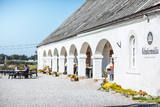 |
Located in the northern part of Valmiera, the Valmiermuiža Estate mansion (Neo-Baroque Style) was built between 1764 and 1771 by Prince August Friedrich of Schleswig, Holstein and Soderburg. Over the course of time it has been owned by other people. According to modern evidence, the mansion was a one-story building with a Baroque tower and a two-story addition in the early 20th century, which made it appropriate as a summer home and hunting lodge. The building burned down in 1918. Two years later, Valmiermuiža became a prison camp for captured soldiers. Later the addition to the mansion was restored and used as an elementary school. In 1936, the building became a prison, and it was once again a prison camp for captured soldiers during World War II. Later the building burned down again, and the ruins were removed. Still surviving is the Valmiermuiža tower, with ceiling paintings that are a cultural monument, as is the surrounding park. The Valmiermuiža brewery is alongside the historical monument, thus providing second wind for the whole region. |
|
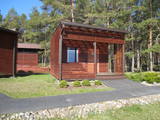 |
The campsite is located 77 km from Riga, surrounded by beautiful forest and sea. The range of offers is wide - beach volleyball court, basketball court, windsurfing, table tennis and more. There are tent sites as well as double or quadruple camping houses. There are facilities for people with reduced mobility. The campsite is open from 1 May until 31 October. Large WC and shower room (shared). |
|
 2 days
|
Latvia is the land of apples, so producing cider here is only natural! The ancient traditions of apple growing in our country, as well as the variety of high-quality apple cultivars, are key advantages of Latvia's cider culture. In our climate zone, it is challenging to grow good grapes for wine production, but the local conditions are particularly suitable for making apple cider. This is a natural consequence that local cider producers are increasingly mastering with excellence. The Cider Route will take you to various cideries in Latvia, as well as to restaurants and pubs that serve it. The Cider Route allows you to understand the specifics of Latvian cider, introducing you to the culinary traditions and cultural heritage of different regions. You will have the opportunity to meet the cider makers themselves, who run small farms, tend to the orchards, share about their work, and even let you participate in it. |
|
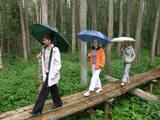 |
This trail of pathways dates back to 2005 and it passes from the Dunte Estate (which has an exhibition about Munchhausen) along damp shoreline forests and on to the sea. There are rest stops along the trail with wooden sculptures related to the famous Baron Munchhausen, as well as other attractions. The trails are in the Northern Vidzeme Biosphere Reserve.
|
|
 5 days
|
Duke Jacob of the Duchy of Kurzeme and Zemgale was on the throne from 1642 until 1862, and during that time the duchy rapidly expanded ship building operations, opened the first factories and improved agricultural output. Jacob's ships plied the seas to export goods, to establish colonies in Tobago and Gambia, and to bring sugar, coffee and spices back to Europe. This was the age when potatoes first appeared in Latvia, though it took a couple of centuries for them become beloved. |
|
 |
Old Kybyn Inn in Trakai serves traditional Lithuanian food like their Karaite meat pasty – the Kybyn as well as other sorts of food. |
|
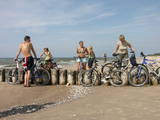 |
The most important aspects of this park are a shallow lagoon-type lake – Lake Pape, with its flood land meadows, the shore of the Baltic Sea, the Nida swamp, and the more than 270 different types of birds that have been spotted here. The oldest bird ringing station in Latvia (est. 1966) is found between Lake Pape and the Baltic Sea. Birds and bats are caught and ringed there. Lake Pape is the first place in Latvia where so-called “wild” horses (the “Konik” breed) were released with the aim of managing the flood land meadows.
|
|
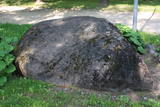 |
Atrodas Kalēju ielas malā. Savu popularitāti ieguvis ar nostāstu, ka Ziemeļu kara laikā pie tā pusdienojis Krievijas cars Pēteris I un Polijas valdnieks Augusts (Stiprais). |
|
 3 days
| ||
 |
The café is in the centre of Ludza with a lovely view of local churches and a castle hill. Lettigalian foods made of various ingredients are offered. |
|
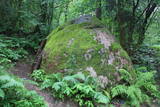 |
200 m attālumā no Gulbenes – Madonas ceļa mežainā nogāzē iegūlis 2,4 m augstais akmens. Tā lēzenajā virsmā iekalta ap metru gara, 0,3 m plata un ap 4 cm dziļa iedobe, bet akmens šķautnē - pakāpieni. Uzskata, ka šis ir sens kultakmens, pie kura ziedots. Lai nokļūtu līdz akmenim, vasaras otrajā pusē var nākties brist pa garu zāli. |
|
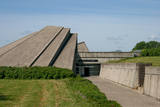 |
Ein am Ende des 19. Jh. gebautes Teil der Festung. Ein Museum, das Verbrechen totalitäre Regimes gegen Menschlichkeit wiederspiegelt. |
|
 |
Café Ugandi is a cosy place in the very heart of Otepää, filled with a warm atmosphere, pleasant feelings, pure and delicious flavours. As soon as you arrive, you will feel the aroma of premium quality coffee and sweet pastries. The large showcase is filled with delicious cakes - you can enjoy them here or take them with you to enjoy later at home. |
|
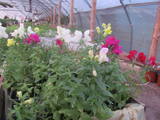 |
The farm grows and offers vegetables, annual and perennial flowers for gardens, as well as decorative bushes and trees. The owners will design gardens and other green areas, sell saplings and accept commissions for the growth of saplings. You can learn all about the secrets of growing decorative plants and receive advice from the owners. |
|
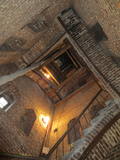 |
This is a unique example of industrial heritage – the only open munition factory in the Baltic States. It includes Europe’s oldest pellet pouring tower, and it is still used for that purpose today. Tours are available for those who contact the factory in advance, and a guide will lead groups through the factory, the tower and the museum. Today the factory manufactures nine types of bullets for smooth-barrel weapons, as well as bullets for pneumatic weapons. The products are exported to Germany and other countries. |
|
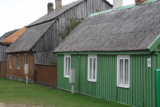 |
Pavilosta is a comparatively new city that has formed at the mouth of the Saka River in the Baltic Sea. True is the fact that in the medieval times the harbour of sea ships was located 6 km from the sea – at the junction of the Tebra and the Durbe Rivers. Important period in the life of the harbour was during the ruling of Duke Jacob, when sea ships arrived here. As a result of the Polish-Swedish war the Saka harbour had to be closed. The harbour that's visible nowadays in the mouth of the Saka River was formed in the middle of the 19th century at the so called Akagals fishermen village. In 1878 the river mouth was excavated and piers were built. Here two-masted ships were built. The World Wars destroyed the fleet, but the fishery traditions remained alive. In 1991 the populated area acquired the status of a city. Nowadays Pavilsota is a popular target for yachtsmen and windsurfers, as well as summer recreation place. Yachtsmen are awaited at the yacht harbour. |
|
 |
The farm "Krūmiņi", popularly called the Bread House, is a place to participate in real rural bread baking rituals, make dough and bake pies yourself, get to know grains, explore grain products, create Latvian strength signs and learn about centuries-old traditions related to bread. The heartfelt owners of the farmstead in the old barn also offer to enjoy the anniversaries, unusually celebrate their special holidays and enjoy extended life skills programs with soup cooked by the fire and watching natural events. When visiting the Bread House, you will learn why bread is baked here with the taste of freedom for almost 100 years, and the merry owners of the house know best to tell about it. |
|
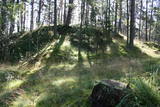 |
Near the place where the Kilmiņupe River flows into the sea is the legendary Trommel castle hill, which was a Medieval fortification. It is some 100 m from the Kraujas homestead. An archaeological dig in 1977 found fragments of bricks and pot-bellied stoves, which suggests that the fortifications date back to the Middle Ages. The location also is linked to stories about a pirate, Trommel, who buried his loot here. The holes in the area have been left behind by treasure hunters. Trommel supposedly robbed ships in the Bay of Rīga from the shores of Kurzeme to Roņu Island. Many ships docked here in ancient times, waiting for better winds so that they could pass by Cape Kolka. The pirate made use of this fact, also pillaging property from sunken ships. It is said that Trommel lived in a stone castle. (Source: Roja TIC) |
|


