
| No | Name | Description |
|---|---|---|
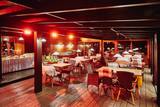 |
The restaurant is at the edge of the Vidzeme Highway (A2). It is a lovely log building with a straw roof and an antique interior. Dishes are based on ancient traditions merged with the requirements of modern clients. Latvian cuisine: Cold soup, dumpling soup, grey peas with bacon, wheat grain porridge, lampreys in mustard sauce, pike-perch grilled on coals, roast pig’s ear, roast pork leg, chicken livers in a creamy sauce, stacked rye bread, cottage cheese dessert with cranberry sauce. |
|
 |
The restaurant is located half an hour's drive from Madona. Every time dinner "Evening on the Lake" is chosen by other chefs. |
|
 |
A small bakery that Jānis Kurpnieks, a baker with more than 20 years of experience, has set up in his father's home. More than 12 types of bread from cereals grown in Latvia. The greatest pride of the bakery is its wholemeal rye bread and sweet and sour bread, neither of which contains wheat flour. Rye bread is baked in large loaves weighing 8-9 kg and reaching up to half a metre in length. With such a loaf, the flavour “bouquet” is stronger and the shelf life – longer. Only natural ingredients and home-made sourdough, taken from the dough scraper (the dough of the previous baking), are used here for baking bread. The dough is fermented in oak tubs and the bread is baked in a proper bread oven, which is fired with softwood. |
|
 |
Zirgi un citi lauku iemītnieki. Dažāda veida izklaides ar zirgiem gan saimniecībā, gan ārpus tās, un saimniecībā mitošo iemītnieku apskate. |
|
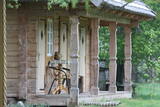 |
Ļoti skaists un ainavisks etnogrāfiskais ciems Balošas (Baluošas) ezera ziemeļu krastā, netālu no diviem iepriekš minētajiem ciemiem. Te apskatāmas interesantas un skaistas koka ēkas, kas celtas no guļbaļķiem, ar niedru vai lubiņu jumtiem un izrotātas ar dažāda veida dekoratīvajiem elementiem. Pirmo reizi rakstos Šumini minēti 1784. g. Savu vārdu ciems ieguva no kādreiz dzīvojošas ģimenes uzvārda. Kā interesantākā ir jāpiemin sena klēts. |
|
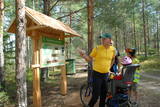 |
The wooden pathway which crosses the high swamp leads to the Teirumnīku swamp lake, which is right in the middle of the swamp. On the shores, there is a well-appointed place for leisure and relaxation. One can return to the starting point via a forest path. The trail is 800m long, and visitors will spend about an hour there. It is a part of the Tīrumnieki nature reserve.
|
|
 |
The cafe Kolumbine is situated in the suburb of Talsi city, about 1,5 km away from the centre. |
|
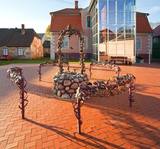 |
Befindet sich im alten Rathaus. Das größte Silberkunstwerk Baltikums (wiegt mehr als 30 kg) und andere dekorative Gegenstände sind zu sehen. Auf der Dachkammer ist die einmalige Malerei im Stil des Spätrokoko zu sehen. |
|
 |
Atrodas Baznīcas ielā 10. Skaistā ēka ir viena no nedaudzajām 17. gs. celtnēm, kas būvēta koka pildrežģa tehnikā (restaurēta 1986. g.). Kurzemes hercogistes laikā tajā atradās pirmā zāļu tirgotava. Apskatāma no ārpuses. |
|
 |
This guesthouse offers country tourism services and is in a lovely part of Žemaitija next to the little Virvīte River. Guests can enjoy swimming, kayaking, biking, fishing in the ancient river, and tours of historical locations in the region. The guesthouse also has a museum of antique motorcycles. |
|
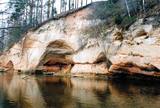 |
This is one of the most beautiful ancient river valleys in Estonia – 12 km long with nearly 40 revealed Devonian sandstone cliffs. Among these, the most important ones are Viira müür, Kalamatu müür, and Põdramüür.
|
|
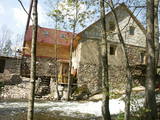 |
The Narūta River which flows out of Lake Ežezers is approximately 1 km long and ends at the small Obiteļi windmill lake. On the right bank of the river is a windmill that was built around 1900. Today the site has the Obiteļa leisure centre with a sauna and banquet facilities. |
|
 1 day
|
The Forest Trail leads through smaller paths, arching around Vangaži Lutheran Church and the Werewolf Pine. On its way to the Hunting Palace, it passes the garden created by opera singer Anna Ludiņa and then follows the Hunting trail. The first side ravines with the pronounced relief of the ancient valley of the River Gauja can be seen here. One of them is located by Inčukalns Velnala (Devil’s Cave), surrounded by small river channels of the old Gauja. From there, the Forest Trail continues through meadows and crosses the Murjāņi–Valmiera motorway, where the recreation park “Rāmkalni” is located. In this park, there is a café, shop and active leisure centre with a sledge track. On this route you will mainly see pine forests of various ages, as well as the botanical plantation with 80 tree and 120 shrub species. By the end of the section, the landscape features sandstone outcrops – Devonian sedimentary rocks and habitats protected in Latvia. |
|
 4 days
|
Poems are dedicated to trees in the garden sourrounding the memorial house of Edvarts Virza, a Latvian poet and writer who wrote a legendary novel about the lives of Latvian farmers. The beautiful 18th century Mazmežotne castle is renovated by a grain farmer’s family. The Rundāle castle is known as Latvia’s true jewel of Baroque and Rococo architecture featuring also a rose garden with over 2200 varieties of roses. At Brukna manor you will see a vegetable garden that is arranged as a Renaissance park, a rose garden and a vineyard. Pick your own blackcurrant berries at Bāniši berry farm. A beautiful landscape garden is open for visitors at Gundegas house. 200 year old oaks adorn the Vārkavas Park. Riekstiņi is an authentic single-family Selonian farm with a specific spirit and ambience. At Kaldabruņa you will visit an art gallery housed in a hay-shed together with a hay museum. Grape selection and cultivation was the great passion of Pauls Sukatnieks, and his memorial garden is worth visiting during the harvesting time. Dvietes Manor is proud of its 19th century landscape park and a stone bridge. Daugavpils, the 2nd largest city of Latvia, is famous for the renovated 19th century Daugavpils Fortress housing museums. Sēlija tree nursery offers a tour of their apple orchard, apple storage and production facilities. Enjoy a glass of apple juice and stories of vinemakers. Berķenele is the memorial house of Rainis, the distinguished Latvian author and social activist.The Rokiškis Regional Museum and Manor is one of the most important cultural centres of the Aukštaitija region. The Liudvika and Stanislovas Didžiulis Homestead Museum garden features traditional Lithuanian apple tree cultivars, flowers and herbs. The A. Baranauskas and A. Vienuolis-Žukauskas Memorial Museum presents culture, literature, history, agrarian culture, and technical history in the Anykščiai region. Traditional Lithuanian flower garden can also be seen at the Bronė Buivydaitė Memorial Museum. In Anykščiai you can enjoy the Treetop Walkway and Labyrinth Park, and take a train ride on Aukštaitija’s narrow-gauge railway. In Traupis Botanical Garden you will find everything from perennial flower collections and rock garden to a flower clock and decorative pool with aquatic plants. The interior of the Taujėnai Manor house was decorated extensively with the Radziwiłł family’s portraits, sculptures, hunting trophies, and antique weapons. Take a walk around the Ukmergė Old Town and enjoy the view from the old fire tower. Survilai Homestead offers a barefoot trail walking on pine cones, swamp, peat, clay, gravel, polished glass, pine-tree needles, straw. The Vytautas Magnus University Kaunas Botanical Garden exposes the Lithuanian Heritage flower garden plants according to their botanical classification. At Tadas Ivanauskas Homestead at Obelynė Park you will see a collection of 300 species and forms of plants, including some of the oldest trees on the planet – the ginkgo biloba and the dawn redwood. In Kaunas you will see the Oldest Apple Tree in Lithuania – almost 360 years old, 8 metres tall, with a girth of 285cm at a height of 1.3m. The tour ends in Kaunas, Lithuania's 2nd largest city that was the capital of the country from 1920 until 1939. |
|
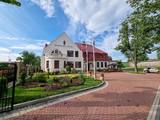 |
The only Art Nouveau building in Aluksne, built at the beginning of the 20th century, now works as a hotel. Historically, the building once housed a Railway hotel, so the original name of the hotel - "Bahnhofs Hotel" (transl. from German - "Railway" hotel) was kept. The hotel has 9 rooms (some of which extra beds can be arranged). At an additional cost an English-style breakfast is available. Hotel guests are offered a half-hour free access to the swimming pool at hotel "Jolanta", which is nearby, as well as electric scooter and bicycle rental. A banquet hall is also available for various events. N.B. Hotel bookings must be made at least 12 hours before arrival. |
|
 |
Meklējams Zirgu salas dienviddaļā – uz t.s. Golodova dambja. Tornis pieejams kājāmgājējiem un velobraucējiem. Automašīna jāatstāj pie Ezermalas ielas. No torņa redzams plašs skats uz daļēji aizaugušo Liepājas ezera ziemeļdaļu. Laba putnu vērošanas vieta. Ietilpst Liepājas ezera dabas lieguma teritorijā. |
|
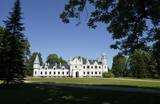 |
The Castle was restored recently and now exhibits life and history of a noble family on three floors. Tour guides have numerous stories and legends to tell, visitors can make their personal castle souvenirs. |
|
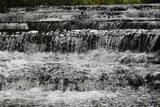 |
Krāčains Lobu upes (Loobu jõgi) posms pie Joaveski ciema, kur ~ 160 m garumā upes gultnē, tai šķērsojot Ziemeļigaunijas glintu, izveidojušās izmēros nelielas, tomēr ļoti ainaviskas un skaistas 0,5 – 1 m augstas ūdenskritumu kaskādes. 1898. g. šeit uzcēla hidroelektrostaciju, kuras atliekas ir redzamas upes labajā krastā. Iecienīta pavasara laivotāju treniņu vieta. |
|
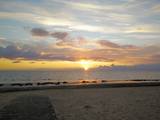 |
The largest town in the region dates back to the 19th century, when three local fishing villages – Neibāde, Pēterupe and Katrīnbāde – became a popular location for leisure and swimming. This led to the construction of many summer homes, and the development of the spa was facilitated by the opening of a rail line between Rīga and Saulkrasti in 1905. New spas and restaurants were opened, and the spa infrastructure was developed. During the summer there were various entertainments, including balls and concerts featuring orchestras from Rīga. Also facilitating the development of the spa was a road and railroad line between Rīga and Saulkrasti that were installed during the 1930s. During the Soviet occupation, leisure homes, sanatoriums and new summer homes were built in Saulkrasti, which was given the status of a city. Today Saulkrasti is attractive because of its white sand beach, as well as various annual events, the Saulriets trail, the White Dune, the unique bicycle museum, Sea Park, the “Centrs” swimming facility, Sun Square, etc. |
|
|
|
On 14 June 1991, this sign sculpted by Zezostrs Ķēde in memory of the repressions of 1941 and 1949 was unveiled in the garden of Pēterupe Church. |
|


