
| No | Name | Description |
|---|---|---|
 |
The Cheese hut dates back to 1768 and was once part of the Kalnamuiža (Smiltene) Estate. It is the only object of industrial heritage that is still found in Latvia. On the first floor there was the storage of milk and a set of cheese pots. Stairs to the second floor have been lost. The second floor was used to dry cheese, and the process was facilitated by holes in the walls of the hut so that the wind could help in the process. Although the holes have been filled up, their placement can still be easily seen. The Cheese hut is alongside the ruins of the Medieval castle in Smiltene. Sadly, it is in terrible shape and can only be viewed from the outside. |
|
 16 days
|
This grand hiking tour is provided for experienced hikers wishing to walk along a large part of the coasts of Latvia and Estonia, gain a detailed impression about the diverse coastal landscape, nature, birds and animals of the Baltic Sea. The Baltic Coastal Hiking Route sometimes runs through sandy beaches, sometimes along sections of beach covered in stones and pebbles. Sometimes the trail goes through coastal forests or stops at a fishermen’s village. There are many floodplain meadows, lagoons and shallow bays on the Estonian side, so sometimes the path goes along coastal trails and roads. In the end section of the route you will feel Estonia’s Nordic nature more. Part of the route runs along a sparsely populated seashore where you can be alone with yourself, but you will also be able to visit the most prominent cities. You will visit both capitals: Rīga and Tallinn. Enjoy the hospitality of the resort towns of Jūrmala, Pärnu and Haapsalu. During the hike, you will also get acquainted with the regions of small ethnic cultures: the Livonians in Latvia and the inhabitants of Kihnu in Estonia. |
|
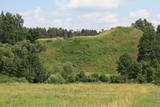 |
Das alte zemgalicshe wirtschaftspolitische Zentrum, das eine stark befestigte Siedlung vor der Ankunft der Kreuzritter war. Die Ruinen der Burg des Livländischen Ordens. |
|
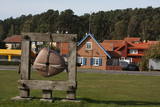 |
Old fishermen village, which was first mentioned in 1429. Before WW2 Juodkrante was popular resort in Europe and it still has its traditions nowadays. Village has an unique scenery with its wooden houses, promenade, Lutheran Church (1885), Lithuania's Art Museum Hall and much more. |
|
 |
This lime swamp of grasses is in an area among dunes which floods from time to time, and it is an important location for many protected plants. The swamp is easily surveyed from the forested dunes which are on the south-eastern side of the swamp. |
|
 |
The pub is located in a wooden log building and situated in the suburbs of Sigulda, allowing one to feel the Latvian spirit in the interior and enjoy Latvian-style dishes. The pub has maintained the traditions and quality of Latvian cuisine. Latvian cuisine: Sauerkraut soup, filet of pike-perch, pike cakes, pork tongue, pork ribs, homemade steak haché, potato pancakes, stacked rye bread, rye bread baked in honey, baked ap.ple, homemade ice cream. Special foods: “Steak a la Bucefāls,” “Ice cream a la Bucefāls”.
|
|
 |
Rīgas HES komplekss ir savienots ar Doles salas austrumdaļu. Rīgas HES ir pēdējā no elektrostacijām Daugavas HES kaskādē. Tās celtniecību uzsāka 1966. g., bet pirmo hidroagregātu iedarbināja 1974. gadā, tā projektēto jaudu sasniedzot divus gadus vēlāk. Rīgas HES uzstādīti seši hidroagregāti, kuru kopējā jauda ir 402 000 kW. No Rīgas – Daugavpils šosejas (A 6) labi redzamas Rīgas HES dambis. Rīgas HES dzelmē palika daudzi kultūras un vēstures pieminekļi, t.sk. Laukskolas apmetne, kas ir vecākā zināmā cilvēku apmešanās vieta tagadējā Latvijas teritorijā. |
|
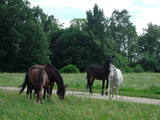 |
It is possible to look at different animals at the farm – horses, goats, rabbits, dogs, cats and marmots. It is possible to participate in farming tasks and try out farm instruments, to learn the steps of ancient dances, to walk along the animal paths and to taste pancakes baked on the open fire with goat cheese. You can also buy sauna accessories or herbal teas. |
|
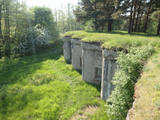 |
Redāns ir 19. gadsimta beigās celtā Liepājas Jūras cietokšņa daļa, kur notikušas Latvijai nozīmīgas cīņas. Lai gan uzbūvētie nocietinājumi ap Karostu tika atzīti par stratēģisku kļūdu un vairums no tiem saspridzināti, Redāns palicis teju neskarts. Tā ir arī vienīgā nocietinājuma daļa, kur notikusi reāla karadarbība.Par liecina ložu šautie caurumi sienās. 1919. gada 14. novembrī šeit notika brīvības cīņas par neatkarīgu Latviju, aizstāvot Liepāju pret Bermonta karaspēku. 14. novembra rītā, pārejot aizsalušo Tosmares ezeru, bermontiešu kājnieki ieņēma Redānu. Taču dažu stundu laikā liepājnieki veica niknu pretuzbrukumu, un vāciešiem nācās atkāpties. Jūnijā, jūlijā un augustā katru dienu plkst. 11.00–17.00 pie Redāna gaidīs zinošs gids, kas būs gatavs pastāstīt vairāk par Liepājas cietoksni un vēsturiskajiem notikumiem Karostā. Cena – 2 EUR no personas. |
|
 |
Located in Obinitsa Village, open daily in the summer, please book in advance in winter. White bread and rye bread baking masterclass with natural yeast preparation. The café bakes brown country bread, bread with seeds, various white breads. |
|
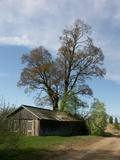 |
This is a large, outstanding and expressive tree, Latvia’s thickest Norway Maple (Accer platanoides).
|
|
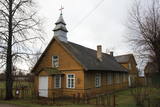 |
Atrodas Rucavas galvenās ielas malā, netālu no centra.Rucavas draudzi dibināja 1871. gadā, bet izmēros nelielo dievnamu uzcēla 1888. gadā. |
|
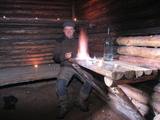 |
Metsavenna Farm organises forest brethren (or brothers) expeditions for visitors to search out forest brothers in their hideouts, visit an underground bunker, hear true stories of life after WWII, have a taste of home-brew and sing old songs along with the master. The more adventurous can stay a night in the bunker, while in winter a sledding hill is opened for snowy downhill rides. |
|
 |
Territory is not attractive for a visitor without environmental knowledge and is very hard to find and reach through swampy forests on the North from Riva village. Area is not intended and appropriate for visits.
|
|
 |
Viena no 19. gs. sešdesmito gadu sākumā būvētās St. Pēterburgas – Varšavas dzelzceļa līnijas stacijām. Kaut arī sliežu ceļš joprojām turpinās Baltkrievijas virzienā (tālāk – pamests), Marcinkones dzelzceļa stacija ir pēdējā, līdz kurai pasažieri var nokļūt ar vilcienu no Viļņas (3 reizes dienā). Arī kravas vilcieni tālāk nekursē. Stacijas ēka ir izcils koka arhitektūras un stacijas kompleksa apsaimniekošanas piemērs. No Marcinkones dzelzceļa stacijas virzienā uz Čepkeļu purvu savulaik ir bijis izveidots šaursliežu dzelzceļš, kuru izmantoja kokmateriālu izvešanai. Tā vietā šobrīd ir saglabājies vecs meža ceļš, kur plānots izvietot šaursliežu dzelzceļu tematikai veltītu informācijas stendu. |
|
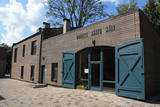 |
The Dobele Crafts House is to the East of Market Square at Baznīcas Street 8 in Dobele. Enthusiasts use it to preserve ancient traditions from the Zemgale region. Workshops to teach crafts are organised here five days a week. |
|
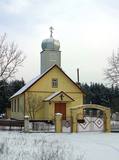 |
Malta (Borovaja, Borovska) Old-Believers Prayer House. The construction
of the church was started in 1931 by A. Gruncevičs. The Church is an architectural
monument of local importance.
|
|
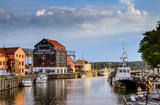 |
The former Memele. The only port city with a old town in Lithuania. |
|
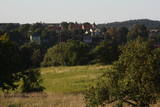 |
The hill is the highest point on the shores of the little Slocene River valley, and it is located in Tukums, at the side of Jelgavas Street. It opens up a broad view of the Slocene River valley and the town of Tukums with its historical centre on the opposite side of the valley. The view is particularly interesting in the evening, when the town is lit up. There is a monument to the liberators of Tukums.
|
|
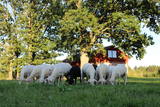 |
Saimniecībā tiek audzētas gaļas šķirnes (Suffolkas) aitas un piena šķirnes (Ostfrīzijas) aitas. Ganāpmulka aizsardzībai saimniecībā strādā ar sargsuņiem, Pireneju kalnu suņiem, kas ir pasaulē arī plaši pazīstama suņu šķirne mājlopu un mājputnu apsargāšanai no lielākiem un mazākiem plēsējiem. Saimnieki piedāvā iegādāties premium klases, saimniecībā audzētu, jēru gaļu un aitu piena produktus- Fetas tipa sieru, grilsieru, jogurtu bez piedevām un vairāku veidu saldējumus. |
|


