
| No | Name | Description |
|---|---|---|
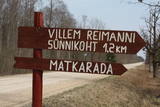 |
Kultūrvēsturiska taka (garums ~ 2 km) Tipu (Tipu) ciemā, kas iepazīstina ar vairākiem interesantiem objektiem: veco skolu (1931. g.), Hallistes upi, pirti un Paunas saimniecību, kurā dzimis viens no Igaunijas nacionālās kustības līderiem Villems Reimans (1861. – 1917.). |
|
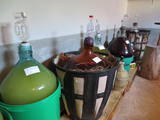 |
Tour groups with at least ten people can enjoy tastings of various homemade wines (23 types in all) that are made of fruits and berries – three types of wine each time. The owner will tell you about winemaking technologies and ways to drink and enjoy wine. |
|
 |
Pilsētā nebija lielu rūpniecības uzņēmumu, un tās iedzīvotāji
nodarbojās galvenokārt ar amatniecību, tirdzniecību un lauksaimniecību.
Ilūkste tika pilnībā nopostīta 1. pasaules kara laikā un smagi cieta arī
2. pasaules kara laikā. Šodien Ilūkste ir klusa pierobežas mazpilsēta, ko
ieskauj gleznains dabas apvidus. Apskates objekti: bijušā jezuītu klostera ēka
un Ilūkstes katoļu baznīca.
|
|
 |
The spacious cafe in Gulbene with comfortable chairs and a tasty meal of the day menu. It is also possible to taste various types of pizza and dishes typical for the Gulbene district. Working hours: Monday-Thursday: 10:00 - 22:00, Friday-Saturday10:00 - 03:00, Sunday 11:00 - 22:00 |
|
 |
Saimniecības laukos ganās ap 300 aitu kupls ganāmpulks, no kura iegūst gaļu un vilnu. Piedāvā ekskursiju, kurā stāsta par aitu audzēšanu, cep maizi, auž un uz ugunskura vāra zupu. Apmeklētāji var iegādāties adītas zeķes, cimdus, segas, lakatus, galdautus un citas saimniecībā noderīgas lietas. Stāsta par atjaunotās mājas vēsturi un kopj latviskās tradīcijas. |
|
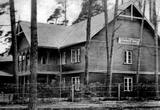 |
The “Strand” Complex – it was the largest and most luxurious recreational complex in Neibāde. It consisted of three buildings, a dance pavilion and a park. Only one building of the hotel, the same as what was once Saulkrasti outpatient clinic at 17 Ainažu Street, has survived until nowadays. |
|
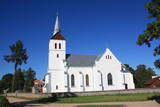 |
On sunny days, this white church absolutely sparkles. It is in the southern section of the village and can be seen from a great distance. Jesuits built the first wooden church at this location in 1759 in honour of St Peter and St Paul. The church that is there today was built nearly a century-and-a-half later, in 1893. The interior can be visited during worship services. Interred in the yard of the church is the Lithuanian pastor and wood carver Antons Rimovičs (1865-1933). The congregation building is opposite the church. |
|
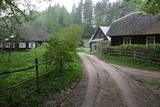 |
Liela meža masīva vidū gleznainās Būkas (Būka) upes krastos starp kokiem ieslēpies teiksmainais Vaišnoriškes ciems. Šis ir viens no skaistākajiem nacionālā parka etnogrāfiskajiem ciemiem. Vaišnoriške kā apdzīvota vieta sākusi veidoties 1756. g., kad šeit sena vēsturiska ceļa malā darbojies krogs. Pirmā viensēta ciematā ir zināma no 1830. g. Šodien redzamā apbūve ir tapusi g.k. 20. gs. sākumā. Ciems ir palicis cilvēku atmiņās ar liepu medu, jo meža velšu vākšana un biškopība bija viena no galvenajām šejieniešu nodarbēm. Tagad ciemā ir piecas sētas. No Vaišnoriškes var uzsākt laivu braucienu pa seklo un dzidro Būku. |
|
 |
The main building of the grand manor Alatskivi has a restaurant serving local specialities. The rich history of the manor house connects Estonian peasant culture, Baltic-German culture and Scottish culture depicted in the manor's architecture. The restaurant menu combines these three values. Favourites of the guests are Peipus pike perch and pork chop, but many guests also love the surprising Scottish dessert and local onion jam. |
|
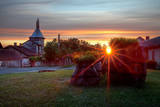 |
Tiek uzskatīta par vecāko alus darītavu Ziemeļeiropā. Tā tika uzcelta 1878. gadā, un tās pirmais īpašnieks bija grāfs Emanuels fon Zīverss (Sievers), Cēsu pils muižas saimnieks. Savukārt 1922. gadā alus darītavu pārpirka Cēsu uzņēmēji un sāka tur ražot arī vīnu, sulas un minerālūdeni. Uzņēmums "Cēsu alus" šeit alu un atspirdzinošus dzērienus ražoja no 1976. līdz 2001. gadam, bet šobrīd tas ir pārcēlies uz jaunām telpām. Šobrīd ēkā tiek organizētas dažādas izstādes, kā arī ēku var apskatīt no ārpuses. |
|
 |
This farm has 36 ha of land and is near Latvia’s border with Belarus. It raises goats and obtains some 10 tonnes of milk from them each year. The milk is processed at the farm, which offers cottage cheese, cream, various kinds of cheese, homemade ice cream and meat products. Tastings are offered, and visitors can help to do the work at the farm. The farm is part of the Latgale network of culinary heritage and is a biological farm. |
|
 |
This is a new café in Naujene, which is part of the “Curves of Daugava” nature park. |
|
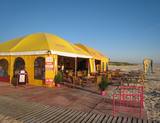 |
Beach cafe at the end of Jūrmalas Street, by the beach, in Liepāja. Live music in the Wind Garden on Wednesdays, Fridays and Saturdays. Offers breakfast, lunch, dinner, coffee and drinks. |
|
 |
Atrodas 1905. gada ielā 6. Sinagoga tika celta 1875. g. – Krievijas cara Aleksandra II valdīšanas laikā. Pēc 2. pasaules kara tajā atradās graudu noliktava, kinoteātris, kafejnīca un visbeidzot – naktsklubs. No 2003. gada to vairs neizmantoja. Pirms gada tika pabeigts vērienīgs projekts - sinagogas un lūgšanu nama atjaunošana, kurā izveidots sabiedrībai pieejams kultūras un informācijas centrs un pārcelta Kuldīgas novada bibliotēka. |
|
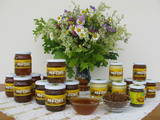 |
This farm has some 150 hives of bees which are carefully tended by beekeepers. The farm also produces nectar plats such as buckwheat, clover and phacelia. You will learn all about beekeeping and taste and purchase beekeeping products. |
|
 |
The craftswomen produce clay dishes, vases, candlesticks, chandeliers, garden ceramics and small objects. Clay dishes with wooden handles are interesting. The women will offer you a tour of their workshop, a chance to see them at work or to try out your own skills at the potter’s wheel, as well as to purchase objects which have already been manufactured. |
|
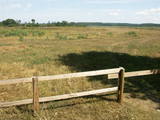 |
Periodically flooded flood-land meadows on the eastern and southern shores of Lake Burtnieks are an important nesting location for the rarely seen corncrake. A nature and information trail has been established at Vīsrags with directions, information stands and a viewing tower.
|
|
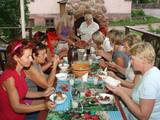 |
This tavern is in the centre of Alsunga, which is the capital of the Suiti people. The Suiti have always known how to work hard, sing well and eat tasty foods. The tavern offers for tour groups to taste a delicious Suiti meal made from ancient recipes, after which participants can learn how to cook those foods – carrot buns, soured porridge and other masterful dishes from this part of Latvia. A very effective performance by Women of Suiti will make the meal truly unforgettable. You’ll also be able to purchase carrot buns and sourdough bread that is baked only here. Latvian cuisine: Sourdough bread, dumplings, dried ribs. Special foods: Homemade carrot buns. |
|
 1 day
|
Route meanders between a rocky seacoast richly overgrown with reeds and other grasses on one side and wooded seaside dunes on the other side. In some places, the beach is paved with small round stones, in other places you can see grey dunes with a rich variety of plants. Near Bērzciems village, there are large coastal meadows with shoals appearing far away in the sea that are suited for birdwatching. During this route, it is possible to visit the fishermen’s homestead “Dieniņas”, where you can buy local smoked fish. Also it is worth to see Engure port and Engure Evangelical Lutheran Church. |
|
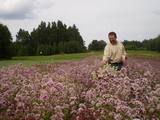 |
The farm grows and collects more than 80 types of medicinal plants, including peppermint, marigold, chamomile, oregano, St John’s wort, wormwood, oats, creeping thyme, broadleaf plantain, field penny-cress, meadowsweet, etc. You can take a tour and learn all about medicinal plants and how they are used. During autumns, you can purchase medicinal teas. |
|


