
| No | Name | Description |
|---|---|---|
 |
Traditional Estonian food from products of organic farms Saare Ubin and Vatsliku. |
|
 |
Burtnieku muižas parks, kas atradās kungu ēkas priekšā, ir valsts nozīmes dabas aizsardzības objekts, tika izveidots ap 19.gs. 60. gadiem 10 ha platībā. Iespēja doties ekskursijā pa Burtnieku muižas parku mazākā vai lielākā grupā. Ekskursijas laikā gida pavadībā iespējams iepazīt teikām un nostāstiem bagāto parku, apskatīt teiksmaino Burtnieku ezeru, kā arī baudīt nesteidzīgu pastaigu svaigā gaisā. Papildus tiek piedāvāta iespēja iegādāties oriģinālus Burtnieku suvenīrus, kuros dažādi meistari ielikuši ne vien savu talantīgo roku darbu, bet arī Burtnieku stāstu. Lai diena būtu piepildīta, gids ieteiks, ja nepieciešams, koordinēs un dosies līdzi apskatīt arī citus dabas un vēstures objektus tuvākajā apkārtnē. |
|
 |
Getliņu ekoloģiskais poligons ir Latvijā unikāls piemērs ekoloģiski saderīgu darbības virzienu ieviešanai. Tā energobloka saražotais siltums tiek izmantots siltumnīcu apsildei, kas nodrošina ideālu vidi lauksaimnieciskai ražošanai (puķes un tomāti - lielaugļu tomāti, tumšsarkanie tomāti, aveņkrāsas ķekartomāti) gada aukstajos mēnešos. Poligona teritoriju (zālāju) nogana ar aitu ganāmpulka palīdzību. |
|
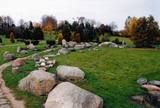 |
The terrain in this territory was created during the Ice Age. There are the ancient river valleys of the Minija, Salantas and Erla rivers, along with groups of rocks.
|
|
 |
Since 1820 people have been brewing Estonian beer here using local ingredients, like groundwater, yeast and others. The Saku Brewhouse name comes from the previous brewery that worked until 1992. The brewhouse also has a museum where you can see beer production from centuries ago until this very day. During the tour it is possible to taste freshly made beer. Minors are not allowed to participate in the tour. |
|
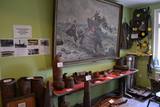 |
The museum opened in 2007 and displays a 180 mm gun barrel, reconstruction of a Soviet restricted border zone, a civil defence shelter, armoured vehicles, a border guard boat and naval mines. Exhibited in the main building are a maritime surveillance radar in its original position, various military items, “Lenin´s corner” and weapons and barracks rooms. |
|
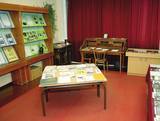 |
Local History Museum of Bērzgale was founded in 1988. There is
the memorial room of writer Antons Rupainis (1906 – 1976), the exposition of municipality history, its famous
people and cultural-historical traditions.
Working hours: Mon– Fri : 9.00 – 12.00,13.00 – 17.00, Sat., Sunday : on request |
|
 |
Meistardarbnīcā „Cimdiņi” darbojas Latvijas Amatniecības kameras diplomētā meistare Ina Valtere, pie kuras ikvienam ir iespēja uzzināt visu interesējošo par rokdarbiem, kā arī iegūt padomu un ieteikumus adīšanā, izšūšanā un tamborēšanā. Tiek piedāvāta iespēja piedalīties arī darbnīcās un meistarklasēs. |
|
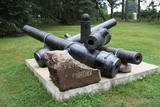 |
Dole Island is the largest river island in Latvia, and it is the site of the Dole baronial estate. The mansion of the estate was built in 1898 by the aristocratic family which owned the estate. Today the mansion is home to the Dole Museum with a rich exhibition which tells about the lives of people on the shores of the Daugava River. The adjoining park features ethnographic buildings, as well as lamprey and salmon spawning grounds. There are five unique cannons that were found in Salaspils when a new stadium was being built there. In 1910, a tsarist military camp was here, and a monument to Tsar Peter the Great was unveiled. One of the cannons is in the exhibition of the museum itself.
|
|
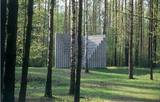 |
Das Museum vom Zentrum Europas. Gegründet vom litauischen Bildhauer Gintaras Karosas. Mehr als 100 von Künstlern aus den 33 Ländern errichtete Installationen sind unter freiem Himmel ausgestellt. |
|
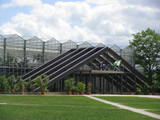 |
The National Botanical Garden in Salaspils ranks as the largest botanical garden in Latvia and in the Baltics with a territory of 136 hectares. The National botanical garden collection consists of about 14 thousand different varieties. More than 5,000 plants are found in the arboretum, as well as various other exhibitions, such as orchards, rosaries, ornamental plants. Botanical Gardens can inspire you to uprade your own garden assortment with new plant varieties and offers the experience of learning about botanical knowledge in nature. In addition, it presents opportunity to expand your personal photo archive with an exclusive background photographs and close-ups. There is a playground for children, comfortable cycling paths, nordic walking paths, picnic possibilities. |
|
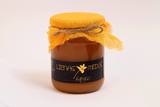 |
A family-owned company that cares for a clean environment, organic produce and design. Offers tours in the bee apiary and farm, tasting. |
|
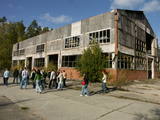 |
By far one of the most impressive Soviet military objects in Northern Vidzeme, this base has now been abandoned. There are buildings, underground bunkers, missile silos, areas of the firing of missiles, etc. This is one of the few remaining places in Latvia where a monument to Lenin still stands. The stone bust once stood in the central square of Alūksne. During the restoration of independence, it was taken down and moved to the missile base. We recommend that you bring a guide with you – otherwise it won’t be worth much.
|
|
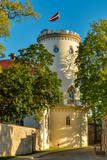 |
Cēsis is in the centre of the Gauja National Park, but it is not part of the park as such. There are many interesting places in Cēsis to visit and examine. The oldest part of the town is of key interest. The origins of Cēsis can be found at Riekstu hill, which is 18 metres high. Between the 11th and 13th century, there was a wooden castle here built by the Vendians. The hill is in the central part of the castle park, and it offers a good view of the park, pond and the ruins of the Cēsis castle, which can be accessed via a long cascade of stairs. The Cēsis castle (see below) was built in the early 13th century as a residence for masters of the Livonian Order, and it was one of the strongest fortresses in the Baltic territories. Alongside it is the New Cēsis castle, which was built in 1777 where the gate fortifications once stood. The Cēsis Museum of History and Art is in the building, alongside which is a visitors centre and the Cēsis Tourism Information Centre. From the tower of the castle, there is a fine view of the castle ruins, St John's Lutheran church and the northern part of the town. Opposite the New Cēsis castle are stables and a wheelhouse (both from the first half of the 19th century). The Cēsis Exhibition Hall is there today. You can look at the exteriors of the granary, the hut for coachmen, and the old brewery. On the other side of the street is the romantic Maija park, which was installed in the 1830s. The park is popular among parents with children, because there is a playground there. From this area, you can walk down some of the old streets of the town – Lielās Katrīnas, Mazās Katrīnas, Mazā Kalēju, Kalēju and Lielā Līvu streets, plus Līvu Square. The wooden buildings along the streets date back to the late 18th and early 19th century. Torņa Street, which weaves its way along the defensive walls of the Medieval castle, offers a look outside the church of a sculpture by Matiass Jansons, "As the Centuries Pass". Legend says that if you rub the lantern carred by the Old Man of Time, you can see the future. One of the most impressive buildings in Cēsis is St John's Lutheran Church, which was built in the late 13th century for the Livonian Order. It is a basilica built in the Roman style and with Gothic elements. The tower, which is 65 m high, was built in 1853. The building was reconstructed several times during the 20th century. Inside the building are grave epitaphs for masters of the Livonian Order and for bishops. The pulpit was installed in 1748, the oak altar followed in 1858, and the altar painting "The Crucified One" dates back to 1862. The stained glass windows around the altar are of great artistic value. The organ was built in 1907 by the E.F. Walker Company, and the instrument is one of the best concert organs in Latvia. A sun clock featuring the year 1744 is at the south-western corner of the church. It is worth climbing the church's tower. At the foot of the building is Rose Square, which began as a market square in the mid-19th century, remained in place until 1927, and was restored in 2008. This is the central square in the town today. During the Medieval Era, there were stockades here, along with the city's well. Rīgas Street has been the main street of the old town from the very beginning, and it is here that you will find the most architecturally outstanding buildings in town from the 18th and 19th centuries. They include the former Cēsis City Hall, the Fābers building, and the Princess building. At one end of the street is Līvu Square, where, during the 13th century, there was a church, a cemetery and a gate in the town walls. Today the square features a lighted fountain which is on the site of a 13th century well known as Lejas Šķimbēgs. At the other end of the street is a reconstruction of the foundations and surface elements of the Rauna gate that was a part of the town walls in the 14th and 15th centuries. The site offers a good idea about Medieval fortifications and the size and mightiness of gates therein. |
|
 |
Das größte Wissenschaftszentrum Baltikums mit Möglichkeiten, mitzuarbeiten und zu experimentieren. Ein Planetarium. |
|
 |
The No. 14 Border Guard facility at Akmeņrags was a naval observatory. The facility belongs to the regional local government and is not used for any purpose at this time.
|
|
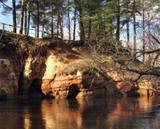 |
Taka ved gar Vaidavas krastu, kur iespējams veldzēties dabas skaistumā, kāds vērojams tikai šeit. Starp Apes vidusskolu un kapsētu Vaidavas upes kreisajā krastā ir izveidojušies 8 - 10 m augsti, līdz pat 100 m gari smilšakmens atsegumi - Raganu klintis. To lejasdaļā upes straume izskalojusi nelielas nišas. Pie klintīm pāri upei izveidots gajēju tiltiņš uz otru krastu, no kura klintis paveras visā savā krāšņumā. Te ir teikām un nostāstiem apvīti avoti un alas. Avots ar skaidru ūdeni iztek no vietas, kur Vaidavas upes smilšu klints krasts ir augsts un stāvs. Senāk vietējie ticējuši, ka tas ir veselības avots, jo daudzi to lietojuši dažādām acu slimībām.Dīvainos dabas objektus – Vilkaču priedi un Dvīņu priedes, Raganu slotu, “raganu apļus”, “raganu kaulus” u.c. te var apskatīt un vides gida vadībā mēģināt izprast to veidošanos
|
|
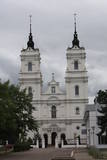 |
Atrodas t.s. Baznīcu kalnā - A. Pumpura ielā 11 a. Varenais neobaroka stilā celtais dievnamu tapis 1905. g. Pastāv viedoklis, ka par šīs baznīcas prototipu izmantotas Aglonas vai Krāslavas bazilikas, kā arī Rietumeiropas baznīcu paraugi. Tās interjeru rotā divstāvīgs altāris, kurā novietota spāņu gleznotāja B. E. Muriljo pazīstamās gleznas “Svētā Dievmāte” kopija. 1909. g. baznīcā uzstādīja poļu meistara Ādolfa Hofmana būvētās ērģeles.No būvniecības laika saglabājusies arī pārējā baznīcas iekārta. |
|
 6 days
|
You will start your hike from the popular Latvian spa town of Jūrmala. The route is great for those who like to hike along the coastline, with former fishing villages full of unique coastline charm, as well as lonely and seldom visited beaches. Many villages have small smokehouses where dried fish can be bought. Your destination is Cape Kolka, which the father of Latvia’s maritime school, Krišjānis Valdemārs, considered to be the centre of Europe. The cape has been known as a very hazardous shipping route since the age of the Vikings. Cape Kolka is also a fantastic place to watch birds. Route information from Latvijas Lauku forums |
|
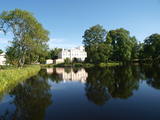 |
The castle, built in 1880 by von Pistolkors family, has been renovated and awaits guests in its new splendour. Guesthouse 78km from Riga. Premises for banquets, wedding, seminars. Sauna, swimming pool. Cultivated landscape.
|
|


