
| No | Name | Description |
|---|---|---|
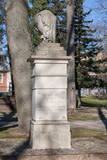 |
In 1877, Baron August von Pistohlkors, celebrating the merits of his ancestors in the foundation and development of Neibāde, ordered a monument to be erected in the park. After World War I, in the early 1930s, the monument was accidentally found during the cleaning of the bed of the River Ķīšupe. The monument was renovated by the Neibāde Aid and Improvement Society and officially reopened in 1933. The monument also suffered damage after World War II. Now the monument is restored and located in the park of the open-air stage. |
|
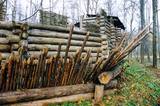 |
The artist Agris Liepiņš was the initiator of the project to recreate a 12th-century Ancient Latvian wooden castle. The building was erected in 1997 on the basis of samples from the remnants of castles found at various castle hills in Latvia. This is an idealised version of the residence of Uldevens, who was once the senior official of the Lielvārde region.
|
|
 |
This is Latvia’s largest lake island and is found in the middle of Lake Usma. The island is restricted to protect old stands of pine, as well as various plants and birds. |
|
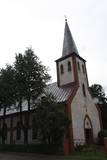 |
Atrodas pie Līvānu dzelzceļa stacijas, Dzelzceļa ielā 17. Tā kā Līvānos nebija luterāņu baznīcas, draudze dievkalpojumus noturēja ugunsdzēsēju depo. 1929. gadā ielika dievnama pamatakmeni un pēc trīs gadiem pabeidza pašas ēkas celtniecību. Saglabājušās ziņas, ka padomju laikā baznīcā bija plānots iekārtot sporta zāli un noliktavu, taču tas neticis īstenots. Jāpiemin, ka baznīca ir celta uz bijušās korķu fabrikas pamatiem. Dievnama zvana iegādei līdzekļus sarūpēja kara ministrs – ģenerālis Jānis Balodis u.c. |
|
 10 days
|
The tour introduces modern day life in rural Finland, Estonia and Latvia and includes visits to small farms raising livestock and producing delicious foods, and to ethnographic villages preserving the traditional lifestyle in a contemporary environment. The tour also involves sites of historical and cultural interest. |
|
|
|
1996. g. atklātais piemineklis (tēlniece: A. Veinbaha) Dagdā (starp Asūnes un Rēzeknes ielām) ir piemiņas vieta komunisma terora upuriem. No šejienes paveras labs skats uz salām bagāto Dagdas ezeru. |
|
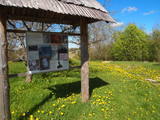 |
Latvijas un Igaunijas Neatkarības karā nenovērtējami nozīmīgas bija tieši Cēsu kaujas 1919.gada jūnijā.Atpūtas vieta-kempings "Amatas upe" ir lieciniece tieši šo un vairāku citu kara notikumu norisei - par to liecina vēsturiskie avoti muzeju arhīvos, kā arī mūsdienās redzamās aprises dabā. Par to, kur un kā sākās varoņstāsts, kas noslēdzās ar abu kaimiņtautu: igauņu un latviešu brīvību, ir iespējams uzzināt arī dažādu veidu programmās - stāstījumā par Cēsu kauju noslēpumiem un dažādu veidu pārgājienos vai izbraucienos pa galvenajām Cēsu kauju vietām, vai arī Cēsu kauju aizraujošā "izspēlēšanā". Atpūtas daļā - apmeklētājiem ir iespēja nobaudīt spēcinošu "kara zupu". Ekskursijas pa Cēsu kauju vietām-dažāda ilguma, izstrādāsim tieši jums piemērotu variantu! |
|
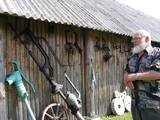 |
At a lovely place in the Gauja National Park in the Vaidava Parish, guests can examine ancient tools, mechanisms and household objects. Guides will talk about how these various items were used. There is a guesthouse for overnight accommodations, and there is room for tents and picnics.
|
|
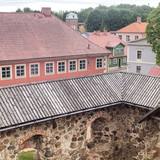 |
It is believed that at the Kezberkalnins of Limbazi has been Lemisele castle of Metsepole Liv district. It is also found in the reports that merchants travelled to this place from the sea by Svētupe and Dunezers until the 16th century. In 1223 Bishop Albert built a stone castle in Limbazi. Like Valmiera, Limbazi became the member of Hanseatic League. At the beginning of 16th century it economic role declined significantly since Svētupe and Dunezers became unusable for shipping. Between the 16th and 18th centuries, the town and its people suffered from wars, diseases and fires. As a result, the population reached its utmost fall - eight people. In the turn of 19th and 20th century and in the beginning of 20th century the economic life of the town was renewed. |
|
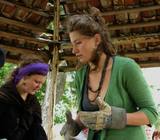 |
You can try your hand at pottery and take part in the opening of the kiln. You can also order and purchase ceramics. |
|
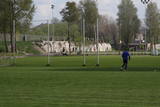 |
A small part of the impressive fortifications of Liepāja, these encircle the city’s perimeter and its shoreline. They’re found at the Olimpija stadium. See also Objects No. 30077, 30078, 30079, 30080 and 30098.
|
|
 |
Auces novads miniatūrā izveidots ar Auces novada nozīmīgākajiem un atpazīstamākajiem objektiem miniatūrā, kuri apdzīvoti ar mājdzīvniekiem. Iespēja Auces novada iedzīvotājiem un viesiem izveidot saikni ar dabu un vienlaicīgi iepazīt Auces novadu. Mazajiem apmeklētājiem izglītojoša saikne ar dzīvniekiem, iespēja tos pabarot ar saimnieku sarūpētajām veltēm. Veicināta Auces novada atpazīstamība caur miniatūriem objektiem. Tiek piedāvāta ekskursija, kuras laikā iespējams apskatīt 4 saimniecības: Zemnieku saimniecību ‘’Skabargas”, Lauku sētu ‘’Krastiņos’’, saimniecību ‘’Andulaiši’ un Lauku sētu ‘’Baltiņi’’. Ekskursija notiek gida pavadībā. Tiek gaidīti viesi, grupās no 10 cilvēkiem, ar iepriekšēju pieteikšanos. |
|
 |
Located on the bank of the Gauja River in the northern part of Līgatne is the only functioning crossing point on the Gauja River and the only one in the Baltic States which is powered by the river itself. This is a public transportation resource of local importance. |
|
 |
The nature reserve “Plieņciema kāpa” is founded in 1987 and covers 60.6 hectares of land. Since 2005 it is a Natura2000 site. The nature reserve protects a 150-200m wide and 3.5km long part of a distinct, continuous dune rampart. The dunes shelter Plieņciems village protecting from sea winds. The key natural values here are rare and protected biotopes of national and European significance: “Wooded dunes of the coast 2180” in the area of 61.8 ha, “Fixed dunes with herbaceous vegetation, 2130 (grey dunes)” in the area of 8.27 ha, “Shifting dunes along the shoreline with Ammophila arenaria (white dunes) 2120 in the area of 3.20 ha”, “Black alder swamp forests 9080”, ) in the area of 2,68 ha, as well as rare and protected species of Latvian and European significance including eastern pasqueflower (pulsatilla patens), Rolling Hen-and-chicks(Jovibarba sobolifera), Nothorhina muricata, Wryneck (Jynx torquilla), Woodlark (Lullula arborea). In the nature reserve, there is a “Vabu square” – a deflation in the dune where for centuries local fishermen have been drying nets. In the 18th and 19th centuries ships were built here. Nine ships have been built here in 1882 - 1925. The four-masted gaff-rigged schooner with hoisting engine “Eurasia” was completed in 1925, the largest ship built by the Kurzeme fishermen. It was one of the works of Martin Morgenstern (1866-1945), a famous shipbuilding master. Thanks to dunes, Plieņciems village was a popular holiday resort and has been mentioned in written sources already in 1738. Clergymen and landlords with their families used to stay here. In 1808, a merchant from Riga bought the local pub and replaced it with a massive two-storey building with a large ball-room and dining hall. On July 15, 1810, a sea bathing facility was opened for health treatment. For arrival of the empress Elisabeth Alexeievna, the wife of emperor Alexander I of Russia, who was a grandson of Catherine the Great, the road from Tukums town was repaired, the two highest hills were levelled, a road passage was dug across the Plieņciems dune, and a lime-tree alley was planted to facilitate access to the beach and bathing spot. Later, in 1920ies, the resort circles consisted mainly of the Kurzeme region landlords. There was a dance-floor in the park of Plieņciems village, and a special orchestra played music for resort guests three times a day. |
|
 |
Jēru klubs ir zemnieku saimniecība Mazsalacā, kas īpaša ar to, ka aitiņas dzīvo īstā klubā! Saimnieki piedāvā piedzīvot lauku saimniecības atmosfēru, kurā galveno lomu spēlē aitas. Baudīt jēra gaļas un aitu piena produktu ēdienus, sajust, cik ērti ir lasīt savu mīļāko grāmatu, sēžot uz pūkainas aitādas un, lai vakarā pie ugunskura nesaltu, iegūt savā īpašumā siltas vilnas zeķes un austus vilnas apmetņus. Ekskursijas laikā saimnieki Ilze un Valters labprāt dalīsies pieredzē par aitu audzēšanu un kopšanu, bet pēc iepriekšējas vienošanās arī pagatavos gardu maltīti no jēra gaļas. Ja ir vēlēšanās, ekskursija Jēru klubā tiek papildināta ar dažādām aktivitātēm - spēlēm, viktorīnu un radošām darbnīcām, izmantojot aitas vilnu. Iespēja iegādāties bioloģiski tīru un veselīgu jēra gaļu, dziju, aitādas. Saimnieki aicina ģimenes no Latvijas un visas pasaules viesoties ilgāk, nakšņojot jaunajā Glempinga teltī, tuvu dabai un veselīgai lauku videi, nezaudējot ne nieka no komforta, ko esam raduši baudīt ikdienā. Šis piedāvājums ir tapis sadarbībā ar sociālo uzņēmumu "Kultūras tūrisms". Glempinga teltī ir lielā gulta un divi divguļamie dīvāni, ledusskapis, Nespresso kafijas aparāts, tējkanna, šķīvji, krūzes, glāze un visi ēšanas instrumenti, spēles bērniem, kā arī sildītājs vēsākiem vakariem. Ārpus Glempinga pieejama āra duša, Toi Toi mazmājiņa ar ūdeni un dezinfekcijas līdzekļiem, latvju zīmju rotāta ugunsvieta, malka, ērti krēsli vakara baudīšanai, galds ar krēsliem ēšanai, batuts, kā arī bērniem smilškaste ar mantām. |
|
|
|
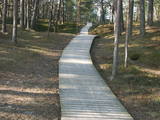
This former training route runs through the shoreline forests from the northern part of Ventspils (there was once a tank division in Ziemeļu Street there) all the way to Ovīši. Today it is a wide, sandy and overgrown track.
|
|
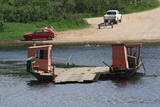 |
In the southern part of Līvāni, where Zemgales Street ends at the Daugava River, there is a fairly unusual and exotic form of transportation – one of three river crossings in Latvia. Unlike the one in Līgatne, this one is operated by a motor, not the flow of the river. It involves a cable across the river, and it is based on Soviet military pontoons that were used to build pontoon bridges for tanks. The crossing point was established by its owners. |
|
 |
Saimniece piedāvā sertificēta pirtnieka pakalpojums, organizē latviskos pirts rituālus, vada izglītojošas programmas par augu spēku izmantošanu savai labsajūtai. Apvienojot pirtnieka pakalpojumus un pašas ražoto produkciju, saimniece radījusi zīmolu - “Arnitas labsajūtu darbnīca”. Kā mājražotāja piedāvā pašceptu maizi, zāļu tējas un augu sīrupus, kā arī meistardarbnīcas kulinārā mantojuma jomā. |
|
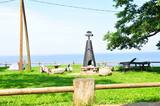 |
Camping "Klintis" on the very shore of the sea near Veczemju cliffs offers parking, tents and picnic places with benches, tables, grill, the opportunity to buy firewood. There are well-equipped camping houses, places for campers, showers and WCs available for camping guests. In the territory of the camping there is a restaurant "Rankulļrags" and a summer cafe. There is a playground for younger guests. |
|
 |
The Dole is the largest island in the Daugava River, surrounded to the Northeast by the rapid waters of the Daugava and to the Southwest by calm and gradually overgrown waters from Dry Daugava. The island is a specially protected nature park, established in 1986 to protect the landscape and cultural and historical values of the island in the wake of the construction of the Rīga hydroelectric power plant, as well as rare and protected species of plants and animals. The island is also meant to provide education and leisure for visitors. Best known on the island is the Daugava Museum, which is in the mansion of the old Dole Estate. The museum features some 13,000 exhibits that speak to the history of the island and the river – Baltic and Livonian apparel, tools and household objects. The exhibition also presents the Daugava as an important waterway and the related history of forms of transport and rafters. In the park is an open-air exhibition with reconstructed lamprey eel traps and a barrier to fish salmon, along with a set of fishing tools. A dolomite cliff is alongside the museum on the steep shore of the Dry Daugava. The ruins of the Vecdole castle can be found on the south-eastern end of the island, near Bēči. |
|


