
| No | Name | Description |
|---|---|---|
 |
The café is in the centre of Jēkabpils and offers pizzas, pastries, cakes, tortes and sweet pretzels, as well as cured meat, tasty venison and wild boar dishes, and products from local producers and farmers. |
|
 3 days
|
Во время путешествия Вы осмотрите знаменитую Гору Крестов, Старый Каунас. Со смотровых площадок или во время прогулки на кораблике Вы увидите живописные излучины реки Неман. В курортном городе Друскининкай Вы посетите Парк Грутас со скульптурами и памятниками советского периода, переживете ушедшие „советские времена”. Сможете на велосипеде прокатиться по Национальному парку Джукия – одной из нетронутой природной территории Балтии. Вечером можете насладиться SPA процедурами по Вашему желанию и отдохнуть в Друскининкайском аквапарке. |
|
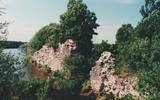 |
The castle hill is an island in the reservoir of the Pļaviņas hydroelectric power plant, and it can be accessed by boat. The ancient Selonian castle hill was settled several times between the 6th and the 12th century. This was the political and military centre of the Selonian region. In 1373, the Livonian Order built a stone castle on the hill, as it did on many other ancient hillocks. The castle was sacked in 1704 during the Great Northern War. Remnants of a square tower, a guard room and the 12 m embankment that once protected the castle are all that survive. Approximately 300 m to the North of the Sēlpils castle hill is Oliņkalns hill, which is underwater. |
|
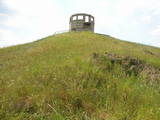 |
This unique territory covers more than 24,400 hectares, and the Soviet military used it as an aviation training centre. The history of the base dates back to 1951, when four kolkhozes were shut down, roads were closed, and several hundred farms and homes were simply moved elsewhere. A civilian presence at the base was restored only in 1993, when several new roads were installed. If you want to get a bird’s eye view of the base and its forests, you have to climb a high, manmade hillock from which commanders watched manoeuvres. We do not recommend that you wander off from the roads!
|
|
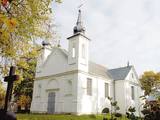 |
Blessed Our Lady’s Birth Roman Catholic Church of Kaunata
was rebuilt in 1850 by Zuzanna Druva after the wooden building was
burned down. The church has a fabric icon „St. Elizabeth is visited by Mary”.
|
|
 |
Iespēja iepazīties ar mājas vīna gatavošanas procesu, un kopā ar Krimuldas muižas vīndari izzināt mājas vīna gatavošanas noslēpumus un degustēt vīnu, kas pagatavots no dažādām ogām. Vīna īstā garša vislabāk atklājas, klausoties stāstus par muižas dzīvi! |
|
 |
Kronvalds (1837-1875) was a distinguished Latvian writer, pedagogue and linguist, and this is the Lejas Miķi homestead where he was born. The homestead is in Krote in the Priekule Administrative District, and none of its buildings has survived. There is a commemorative plaque reading “The place where one was born and raised is holy for oneself” (A. Kronvalds). |
|
 |
Viena no 19. gs. sešdesmito gadu sākumā būvētās St. Pēterburgas – Varšavas dzelzceļa līnijas stacijām. Kaut arī sliežu ceļš joprojām turpinās Baltkrievijas virzienā (tālāk – pamests), Marcinkones dzelzceļa stacija ir pēdējā, līdz kurai pasažieri var nokļūt ar vilcienu no Viļņas (3 reizes dienā). Arī kravas vilcieni tālāk nekursē. Stacijas ēka ir izcils koka arhitektūras un stacijas kompleksa apsaimniekošanas piemērs. No Marcinkones dzelzceļa stacijas virzienā uz Čepkeļu purvu savulaik ir bijis izveidots šaursliežu dzelzceļš, kuru izmantoja kokmateriālu izvešanai. Tā vietā šobrīd ir saglabājies vecs meža ceļš, kur plānots izvietot šaursliežu dzelzceļu tematikai veltītu informācijas stendu. |
|
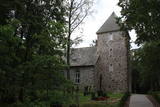 |
1.2 km to the south of the centre of Ģipka and on the side of the Jūrmala-Kolka road (P131), this church makes it hard to believe that the rock church was built very recently – after 1992, because it was burned down during the Soviet occupation in 1979. Ironically, the Dundaga forestry fire safety post was housed in the steeple of the church after World War II. The ornate altar and organ were destroyed in the fire, but the altar painting, “Christ on the Cross,” was saved. The church is now once again open for business. |
|
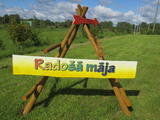 |
This venue organises seminars, courses and activities related to Latvian holidays and family celebrations. There are master’s classes about culinary heritage in
|
|
 |
The restaurant is located on the banks of the beautiful Lake Pühajärve in Southern Estonia; here you can enjoy impeccable dishes prepared by the chef Mostly fresh local ingredients are used. Special culinary events are also organised. |
|
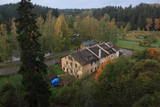 |
The history of Līgatne cannot be separated from the paper factory which was once the only factory of its kind in Latvia. Tours are available in the company of a guide. During the late 19th and early 20th century, the company built homes, a school, a birthing centre, a hospital, a club, a guesthouse and other buildings for its employees, and most of these buildings have survived to this day. There are more than 200 interesting underground passageways which are still used as warehouses for various items, including vegetables. |
|
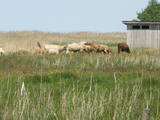 |
Overgrown with reeds, full of seashore meadows, lagoons, muddy little lakes and sandy shallows – this is the part of the Bay of Rīga shoreline which runs between Ainaži and Kuiviži. The Randi meadows are an important location for birds and plant life. It is a protected habitat with environmental restrictions. A bird-watching tower and nature trail have been installed so that visitors can study the meadows. The tour will take around one hour to complete. Objects are in the Northern Vidzeme Biosphere Reserve.
|
|
 |
The blacksmith is eager to show his work and various techniques and tools. He can also show how to make charcoal, and talks about the dwelling house which includes a threshing barn with a huge kiln, and explains how grain was dried, threshed and winnowed in the past. |
|
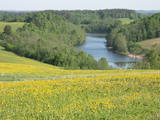 |
This nature park is located in the most distinct part of the Dagda hillocks of the Latgale highlands. Part of it is the deepest lake in the Baltic States -- Lake Drīdzis, which is 63.1 metres deep and has nine islands. Also there is Lake Otis. The loveliest views can be watched from the ancient Lettigalian castle hill that is known as Sauleskalns, and from the eastern shores of Lake Drīdzis. Accommodations are available near the lake. |
|
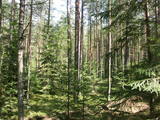 |
Ap 25 km gara un līdz 1,5 m plata vaļņveida reljefa forma Adzeles pacēluma dienvidu malā, kas apaugusi ar skujkoku mežu. Latvijā reti biotopi un nozīmīga daudzu aizsargājamu augu un dzīvnieku sugu dzīves vieta. Numerenes valni var ļoti labi "izjust", braucot pa Kārsavas - Tilžas ceļu. Dabas parkā atrodas slēpošanas kalns "Nūmerene".
|
|
 |
Laidze Parish Farm "Cukuriņi" is engaged in sea buckthorn cultivation. The farm covers about 10,000 sea buckthorns on an area of 6 hectares. The fields are treated with a computerized irrigation system. The owners of the grown berries both sell and process it themselves, obtaining sea buckthorn juice, oil and frozen berries. |
|
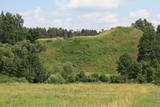 |
Das alte zemgalicshe wirtschaftspolitische Zentrum, das eine stark befestigte Siedlung vor der Ankunft der Kreuzritter war. Die Ruinen der Burg des Livländischen Ordens. |
|
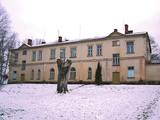 |
Bikovas Manor. The name of this manor is listed in the chronicle since the 17th century. You should see the manor house
and the park where you can find a stone chapel that was built in 1820, servant’s house, several household buildings
and stablings. After the fire of 1905, the building was reconstructed and the second floor was built. Since
1937, the manor is serving as Gaigalava Secondary school. According to the legend, there are secret passages that
lead to the church and the cemetery. The building is the architectural monument of local importance.
|
|
|
|
1996. g. atklātais piemineklis (tēlniece: A. Veinbaha) Dagdā (starp Asūnes un Rēzeknes ielām) ir piemiņas vieta komunisma terora upuriem. No šejienes paveras labs skats uz salām bagāto Dagdas ezeru. |
|


