
| No | Name | Description |
|---|---|---|
 |
You can visit a restored little wooden building to watch and take part in the process of weaving. Natural materials are used to produce lovely souvenirs and useful household products. There are nine looms, and you will hear information about weaving as such. The workshop produces woven scarves which are coloured with natural dyes. |
|
 |
Piesta Kuusikaru farm is located in Vändra forest, Pärnumaa. We invite everyone who would like to know how this family decided to create their own farm in the countryside and started to make wonderfully delicious products from apples. At the farm you can taste all the products and buy all your favourites to take away. A great place to relax with your family. |
|
 |
Ein einzigartiges Örtchen beiderseits des Flusses Minija, wo der Fluss eine „Hauptstraße” ist. Litauens Venedig. |
|
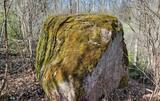 |
The Boulder of Labvārži is located in the Northern side of Adamova Nature Park, in the SW of Lake
Vizulītis (Labvārži). It is located 0,70 km from the Labvārži or Laboržu House. The boulder is 5.9m long and
4,0 m wide.
|
|
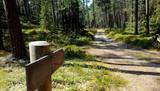 |
Dabas takā gar Rojas upi iespējamas 3 dažāda garuma distances, kas lokveidā ved gar upi un tai pieguļošajiem mežiem – 2 km, 7 km un 15 km, kas katra atzīmēta ar savas krāsas norādēm. Dzeltenais aplis 2 km, zilais aplis – 7 km, sarkanais aplis – 15 km. Maršrutus var veikt arī ar velosipēdu, taču braucot ar velo, atsevišķi posmi var būt grūti izbraucami smilšu dēļ. Pie upes ierīkotas vairākas atpūtas vietas ar soliem, galdiem, labierīcībām, šūpolēm, vingrošanas konstrukcijām, atkritumu urnām, kā arī ugunskura un telšu vietām. Pie atpūtas vietām Žocenē un Rojā ir izveidotas arī laivu piestātnes. Takas sākumā upes krastā labiekārtota vieta, kur upē ietek Rojas avots, ko kā ūdensņemšanas vietu iecienījuši vietējie iedzīvotāji. |
|
 |
Izcila lokveida taka (4,5 km), kuras lielākā daļa (koka laipas) ved pa Rīsas purvu (Riisa raba). No takas un divstāvīgā koka skatu torņa ir vērojami purva ezeriņi, lāmas, un purvaini meži. Ja nacionālā parka apskati sāk no ziemeļu puses, tad šī taka ir labs ceļojuma iesākums! |
|
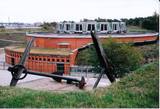 |
Schon seit der früheren Zeiten – ein Platz von der militärischen und strategischen Bedeutung. Für den Schutz des Hafens von Klaipeda wurde 1866 von preussischer Militär den Bau einer Festung angefangen. Im Laufe des 2.Weltkriegs wurde die Festung in die Luft gesprängt. Die Renovierung begann 1979. |
|
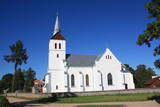 |
On sunny days, this white church absolutely sparkles. It is in the southern section of the village and can be seen from a great distance. Jesuits built the first wooden church at this location in 1759 in honour of St Peter and St Paul. The church that is there today was built nearly a century-and-a-half later, in 1893. The interior can be visited during worship services. Interred in the yard of the church is the Lithuanian pastor and wood carver Antons Rimovičs (1865-1933). The congregation building is opposite the church. |
|
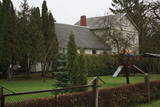 |
Atrodas Tirgoņu un Zāļu ielas krustojumā (Zāļu ielā 12). Interesanta ar faktu, ka šī ir vienīgā padomju laikā uzbūvētā (1948. g., pēc citiem avotiem – šajā gadā atjaunota) Latvijas baznīca. |
|
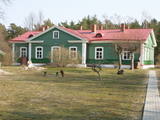 |
This is about 30 km long territory between the Baltic Sea and the Kolka-Ventspils road. It begins at the mouth of the Irbe River and ends at Ovišrags. The territory was mostly established so as to protect dry coniferous forests, grey dunes, damp areas among the dunes, other landscape features and plants and animals in the area. Distinctive landform - kangari and vigas - and grey dunes are Europe-wide significant habitat. Tourists love the sandy and quiet beaches of the area, as well as the Miķeļbāka and Ovīši lighthouses (it is possible to visit Oviši lighthouse and museum in it) and the Lutheran Church at Miķeltornis. There are also certain leftover elements of the Soviet military system, former narrow gauge railway (railway embankment, former train stations marked by memorial stones etc.) which unfortunately are not used as tourism resources. |
|
 |
Latvia's first grape selector, Pauls Sukatnieks (1914-1989) lived at Apsītes. The house has been restored and contains household and farm equipment, as well as Sukatnieks' library and office. The garden that surrounds the house has local and introduced colourful plants and trees, including rare ones. Visitors can look at the types of grapes that Sukatnieks developed, as well as his vineyard. Alongside the homestead is an information stand about birdwatching in the Dviete wetlands. You can tour the garden and house in the company of a guide. There is space for relaxation and picnics, and the homestead organises work sessions and educational events. |
|
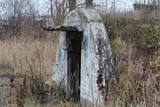 |
In the South-western parts of the former Spilve airfield, you can still see concrete areas on which Soviet-era military helicopters once landed.
|
|
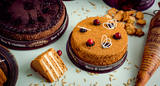 |
Inese bakes honey, chocolate and cottage cheese tortes, using only natural ingredients from Latvia. Visitors can learn how to bake tortes, taste and purchase them, and order cakes for themselves. |
|
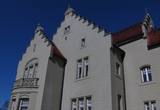 |
The museum has more than 120,000 objects which focus on the history of Liepāja and Southern Kurzeme from the Stone Age to the 19th century. Another exhibition is focused on the life and work of the wood sculptor Miķelis Pankoks (1894-1983). New art exhibitions are periodically staged at the museum. |
|
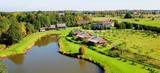 |
The "Agluona" guesthouse offers coffee and dishes from Little Lithuania and Žemaitija. Tastings are offered of locally baked bread and Little Lithuanian pierogi and waffles. |
|
 |
Baltijā lielākās HES celtniecību uzsāka 1961. g., bet pabeidza 1966. g. Tajā uzstādīto 10 hidroagregātu projektētā jauda bija 825 MW. Pļaviņu HES tiek uzskatīta par unikālu, jo pirmoreiz HES būvniecības praksē tā konstrukcija tika balstīta uz mālsmilts un smilšmālu gruntīm ar maksimālo spiedienaugstumu - 40 m! Pļaviņu HES ēka ir apvienota ar ūdens pārgāzi, zem kuras atrodas Latvijas garākais tunelis - Enerģētiķu iela. 20. gs. deviņdesmitajos gados Pļaviņu HES rekonstruēja un tagad tās jauda ir sasniegusi 870 MW. Apmeklētāji var iepazīt mašīnzāli, skatu laukumus un HES maketu. |
|
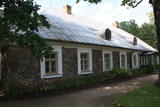 |
Atrodas Tērvetes ziemeļrietumu daļā, Tērvetes upītes krasta līkumā. „Sprīdīšos” sava mūža pēdējo desmitgadi (no 1922. līdz 1933. g.) strādāja un atpūtās latviešu rakstniece Anna Brigadere (1861. - 1933). Šajā laikā top lugas, stāsti, dzejoļi un rakstnieces atmiņu triloģija. No laukakmeņiem celtā „Sprīdīšu” ēka uzbūvēta 1840 g. Te sākotnēji darbojušās ūdensdzirnavas, tad skola, dzīvojuši mežziņi. Tagad šeit aplūkojams rakstnieces memoriālais muzejs. No „Sprīdīšiem” var uzsākt garāku pastaigu pa Tērvetes dabas parku, kur izvietoti no koka darinātie A. Brigaderes pasaku varoņi. |
|
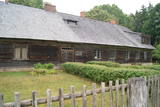 |
The Kubalu school was opened in 1843, and for 28 years it was the only school for the children of peasants at the Dundaga Estate. This is the oldest log schoolhouse in
|
|
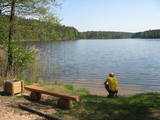 |
The aim of this territory is to regulate the natural and cultural landscapes of the upper reaches of the Daugava River valley, where there is a great deal of biological diversity. Nature trails have been installed in the park, as have bicycle routes. The river is good for boating in this area, too. The Curves of the Daugava nature park is part of the territory (see “Nature Parks”). |
|
 3 days
|
Маршрут ведет по южной части исторического края Курземе и включает самые интересные туристические объекты, различные прибрежные пейзажи, и через Земгале возвращается в Ригу. На участке от Юркалне до Лиепаи маршрут идет вдоль побережья Балтийского моря, которое еще двадцать лет назад было закрытой режимной приграничной зоной, в которую попасть можно было только с наличием специального разрешения. В маршрут входят охраняемые природные территории, открытые для посетителей сельские хозяйства, в которых можно как попробовать, так и приобрести качественную продукцию, выдающиеся памятники культуры, Лиепая с выдающимся спектром военного наследия в Военном порте (Каросте) и оживленная Елгава, где обязательно надо подняться на башню церкви Святой Троицы для обозрения окрестностей. Информация о маршруте от Latvijas Lauku forums |
|


