
| Nr | Name | Beschreibung |
|---|---|---|
 |
Ancient Scandinavian gravesites are found near Grobiņa at the Liepu alley (as are the ancient Priediena graves). The skeleton, fire and hillock graves date back to the 4th to the 10th century. A dig in 1987 led to the discovery of a unique and richly ornamented gravestone from the 8th or 9th century which was produced in honour of a fallen Scandinavian soldiers. It is now housed at the Liepāja Museum of History and Art and is the only discovery of its kind in the south-eastern reaches of the Baltic Sea. |
|
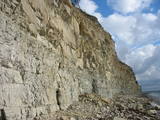 |
Die höchste Felsenwand der estnischen Inseln (21 m hoch), ausgedehnt in die Länge von 2 km. |
|
 |
Teritorija, kas aptuveni 20 km garumā „piekļāvusies” abiem Aiviekstes upes krastiem. Dabas parka galvenā vērtība ir palieņu pļavas (un citi pļavu biotopi), kas ir ļoti nozīmīga daudzu augu un dzīvnieku (īpaši – putnu) sugu dzīves vieta. Ūdenstūristiem, kas laivo pa Aivieksti, nakšņošana ir jāplāno tikai šim mērķim paredzētās vietās!
|
|
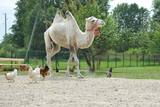 |
A park of exotic animals in Dundaga features alpacas, llamas, ostriches, a camel, a blue cow, etc. |
|
 |
Der Bauernhof befindet sich an einem schönen Ort, hier kann ein leckeres Essen bekommen, und die Wirte sind nett. Den Besuchern werden auch Unterkunft und Sauna angeboten. Der Bauernhof befasst sich mit dem Anbau von landwirtschaftlichen Produkten und ihrer Weiterverarbeitung. |
|
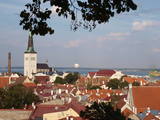 |
Die Hauptstadt von Estland. Die Altstadt (auf der UNESCO-Liste des Weltkulturerbes) ist ein hervorragendes mittelalterliches Baudenkmal (14. – 15. Jh). Die ehemalige Hansestadt. |
|
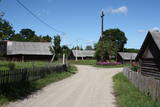 |
Musteikas pirmsākumi ir meklējami jau 18. gs. Līdz Musteikai no Marcinkones puses var nokļūt pa grantētu ceļu, kas ved gar bijušajiem kolhoza zivju dīķiem. Automašīnu var atstāt ciema sākumā un izstaigāt to ar kājām, izjūtot veco ēku smaržu un šarmu. Musteikā atrodas Dzūkijas biškopības vēsturei veltīts „dzīvs” muzejs, kur stropos dzīvo bites, bet tā saimnieks ir biškopis pēc aicinājuma un būtības. Ja palūgsiet, viņš demonstrēs – kā ar krama, metāla un posas piepes palīdzību senos laikos ieguva uguni. |
|
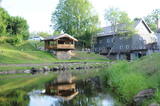 |
Die Engelsmühle ist ein alter Hof am Fluss, wo ab 1851 eine Wassermühle betrieben wurde. |
|
 |
Saimniecībā, kura atrodas pašā Sēlijas novada centrā, aug un zied vairāk nekā 400 dažādu rožu šķirnes, kā arī siltumnīcās tiek audzēti dažādi dārzeņu un puķu stādi. Iegādei tiek piedāvāti dažādi viengadīgie augi, vairāki simti rožu stādi un ēdamaugu stādi siltumnīcai un dārzam. |
|
 |
Kihnu is the largest island in the Gulf of Riga with an area of 16.4 km2, it is only 7 km long and 3.3 km wide. There are four villages on the island and the unique atmosphere of the island can be experienced by visiting a local family at Kuraga Farm. Three generations live in this farm and are happy to welcome guests. |
|
 |
The farm offers visitors an excursion around the garden and wine cellars; it is possible to try wine, as well as buy wine, candy and marmalade. |
|
 1 Tag
|
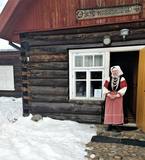
Setomaa has been inhabited for about 8,400 years, which makes it one of the oldest human settlements in Estonia. It is located on the border of Eastern and Western civilisations, bordering Russia, Latvia and Estonia. Setomaa is famous for its well-preserved traditions and culture. For centuries the local handicraft skills have been passed down within families. Seto polyphonic singing (Seto leelo) is inscribed on the UNESCO List of the Intangible Cultural Heritage of Humanity. Setos have distinctive national costumes, rich in detail and unique to each family. Perhaps most impressive is the distinctive array of Seto jewellery. These visually striking pieces not only reflect the social standing of the wearer but are also worn as a safeguard from misfortune. To this day, the Seto lifestyle remains closely tied to nature. It is common practice for the Seto not only to enjoy the natural beauty of the forest but to also use its gifts. Berries and mushrooms are picked freely in their seasons. It is best to start the tour from Võru and finish in Tartu. |
|
 12 Tagen
|
Die Dauer der Route beträgt bis zu 12 Tage. Transport: Selbstfahrer, die Gesamtentfernung beträgt ~ 1 500 km. Reiseverlauf: Riga - Ķemeri - Valgums - Pūre - Kuldīga - Skrunda - Liepāja - Jūrkalne - Ventspils - Kolka - Jūrmala - Ikšķile - Sigulda - Cēsis - Rūjiena - Ķoņi - Taagepera - Sangaste - Rõuge - Haanja - Võru - Tartu - Peipussee - Kallaste - Rakvere - Lahemaa - Tallinn |
|
 |
The craftsman offers useful household products such as terrines, pots to make pickles, dishes of sugar and salt, bowls, etc. You can learn about pottery traditions and watch as the kiln is opened. |
|
 6 Tagen
|
Die Route beginnt in dem bekanntesten Kurort Lettlands – in Jurmala, der für Fußgänger geeignet ist, denen es gefällt, sich am Strand zu spazieren, wo man die einzigartigen und reizvollen ehemaligen Fischerdörfer, sowie wenig berührte und einsame Strände besuchen kann. An vielen Orten arbeiten in den Dörfern kleine ländliche Räuchereien, wo Reisende geräucherte Fische kaufen können. Das Ziel dieser Route ist das Kap von Kolka, das der bekannte Gründer der Seeschulen in Lettland Krišjānis Valdemārs als Zentrum von Europa angesehen hat. Das Kap von Kolka ist schon seit dem Zeitalter der Wikinger als einer der gefährlichsten Orte für Schiffe in der Ostsee bekannt. Das Kap von Kolka ist auch als einer der Top-Orte für Vogelbeobachtung bekannt. Route information from Latvijas Lauku forums |
|
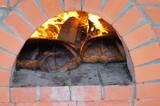 |
The farm uses ancient recipes from grandmothers to bake aromatic sourdough and rye bread on maple leaves, with the crunch crust being processed with flax oil. You can help to bake the bread and then taste and buy it. |
|
 |
Baltijā lielākās HES celtniecību uzsāka 1961. g., bet pabeidza 1966. g. Tajā uzstādīto 10 hidroagregātu projektētā jauda bija 825 MW. Pļaviņu HES tiek uzskatīta par unikālu, jo pirmoreiz HES būvniecības praksē tā konstrukcija tika balstīta uz mālsmilts un smilšmālu gruntīm ar maksimālo spiedienaugstumu - 40 m! Pļaviņu HES ēka ir apvienota ar ūdens pārgāzi, zem kuras atrodas Latvijas garākais tunelis - Enerģētiķu iela. 20. gs. deviņdesmitajos gados Pļaviņu HES rekonstruēja un tagad tās jauda ir sasniegusi 870 MW. Apmeklētāji var iepazīt mašīnzāli, skatu laukumus un HES maketu. |
|
 |
Der Hof befindet sich in schöner, ruhiger Lage, an einem Teich, der mit seinem Fischreichtum jedes Anglerherz erfreut. Als Gästehaus dient der ehemalige, 120 Jahre alte Speicher, in dem sich jetzt die Schlafräume, die Küche und die Sauna befinden. |
|
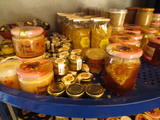 |
Ein alter Bauernhof, deren Besitzer der Imkerei nachgehen. Organisiert werden ein Schulungsprogramm und auf Anfrage Schulen und Veranstaltungen. |
|
 7 Tagen
|
Die Study Tours in zwei geografischen Teilen Lettlands widmen sich dem Roggenbrot - dem Symbol der Letten. Neben den Traditionen des Backens und Essens von Roggenbrot bieten sie auch einen Einblick in den Weg des Roggenkorns von der Geschichte bis in die Gegenwart, sowie Information über die Sehenswürdigkeiten und landwirtschaftliche Betriebe verschiedener Regionen. Diese Studienreise ist für Gruppen und können an jeden Kunden angepasst werden, je nach seinen Bedürfnissen, Interessen und Zeitrahmen. Touren beinhalten: Treffen mit Experten, Besuche, touristische Dienstleistungen - Unterkunft, Verpflegung, Besichtigungen, Busvermietung und Reiseleiter. Die Tour ist in Kooperation mit dem Lettischen Bäckerverband (Latvijas Maiznieku biedrība) entwickelt. |
|


