
| Nr | Name | Beschreibung |
|---|---|---|
 |
In der Wassermühle, die in den 1920er Jahren erneuert wurde und die ihre Tätigkeit im Jahr 1992 wieder aufgenommen hat, kann man die historischen Mechanismen besichtigen und dem Mahlprozess zuschauen, aber im Café kann man aus dem gemahlenen Mehl gebratene Pfannkuchen genießen. Lettische Küche: Hering mit Quark und gekochten Kartoffeln, Pfannkuchen mit Pilzen, Käse, Gemüse, Fleisch, Honig, Sauerrahm, Quark, Eis und Karamell. |
|
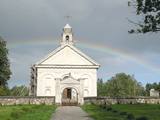 |
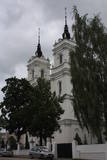
Divine Providence Catholic Church of Rikava (Baltini) was built in Doric style in 1929 by the donations
of landlord Alexander Riks. The church has icons „St. Antony” and „Jesus Christ appears to Mary
Magdalene”. Beside the church there is a cemetery and family vault of Riks.
|
|
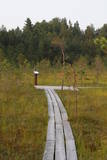 |
The small Andrupene swamp is found to the North of the Andrupene Farm Museum in a deep area between hillocks. It is a high-type swamp with an open central part, and it is 130 m long and 120 m wide. There are stands of white alder alongside the swamp. In 2009, the administrators of the Rāzna National Park restored a wooden educational pathway that had been established originally by the Andrupene Elementary School. Today there are stairs, a viewing platform, wooden pathways, and information stands. |
|
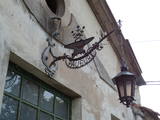 |
The craftsman produces practical and household items on the basis of Latvian ethnography, also continuing old traditions related to Latvian blacksmith operations. You can forge your own nail or horseshoe. |
|
 |
Zehn Autominuten von Tartu Richtung Narva entfernt befindet sich die Gaststätte Vedu. In der historischen Gaststätte kann man leckere Gerichte von den örtlichen Produkten genießen. |
|
 |
Zemnieku saimniecības «Kļavnieki» pirmsākums meklējams 1922. gadā, kad zeme tika iedalīta par dienēšanu armijā. 90-to gadu sākumā saimniecība tikai pārņemta un radīta tāda, kāda tā ir redzama šodien. Pēdējos desmit gadus saimniecība pazīstama ar gardas kazas piena produkcijas radīšanu. Sieri Kā top siers Apmeklētājiem Kur iegādāties sierus |
|
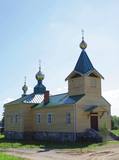 |
Tiskādi Orthodox Church is the cultural monument of the local significance. The construction works of the building lasted from 1829 to 1878. The
church was reconstructed in 2008. The church has antique icons and the library
of sacred literature.
|
|
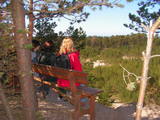 |
One of the highest dunes in Latvia, located between Bernāti and Jūrmalciems villages. It is 37m high and offers a magnificent view of the sea and natural pine forests. The highest dunes in Latvia stand to the South of Jūrmalciems village: the Pūsēnu hill, the Ķupu hill, the Mietragkalns or Tiesas hill, the Pāļu hill, the Garais hill, the Ātrais hill, the Lāvas hill. The Pūsēnu dune is the highest of these dunes which are all called hills by the local people. The Pūsēnu hill developed between 1785 to 1835 when shifting sand became extremely dangerous. Several homesteads were buried in sand, among them „Pūsēni”, where a forester’s family lived. The family is said to have moved to Bārta. The dune was named after the buried homestead. Jēkabs Janševskis, a Latvian writer, wrote in his book „Nīca”: “In olden times, large pine trees were growing in the dunes on the coast of Nīca and they stood steady and firm. But i Swedish times (around 1650), the Swedes built a large kiln for charcoal and tar. Pine wood and stumps provided an excellent material for this. Once a big fire rose, and the charcoal kiln burned down as well as the whole pine forest. The remaining stumps and bare trunks in the vast burnout could not hold the storm-driven sand; it flew further and further burying not only the burned-out forest, but also the nearest fields. In wintertime, when the vast, low marshy grasslands were covered with ice, jets of sand drifted further over its surface, and soon most of the grasslands and large meadows turned into sandy heath-land and dunes.” To reconstruct Liepāja, severely damaged during WWII, a silicate brick factory was built in the town. The main raw material was white sand and it was taken from the Bernātu forest. In the 1960-ies they started to dig off the Green Dune and the White Dune, later also the Pūsēnu hill. The excavators used to work day and night, in three shifts. The work stopped at around 1980, as there was no more sand suitable for production of brick. A trail is set up to facilitate walking in the Pūsēnu Dune in the Bernātu Nature Park. |
|
|
|
Das Restaurant befindet sich in der Altstadt von Liepaja, im Zentrum der Stadt: am Rosenplatz, im Verkaufshaus Kurzeme. Lettische Küche: Gemüsesuppe, kalte Rote-Beete-Suppe, Schweinefleischscheibe, Erdbeersuppe. |
|
 |
Innovative und köstliche Hanf- und Buchweizenprodukte, die sowohl lecker sind als auch dem Bauch gut tun. |
|
 8 Tagen
|
Diese Tour führt von Rīga bis nach Tallinn und kombiniert Naturerbe mit Kulturerbe. Die Tour umfasst anziehende Landschaften und 15 Naturpfade, die durch Moorländer, Wiesen und Wälder an der Küste der Ostsee, sowie durch einige Naturschutzgebiete führen. Auf vielen Pfaden sind Vogelbeobachtungstürme eingerichtet. In den Küstenwiesen Randi in der Nähe von Ainaži wächst ein Drittel aller Pflanzenarten von Lettland. Auf einem Steg, der durch Schilflandschaft führt, kann man zu einer Aussichtsplattform gelangen, von der man die Wiese und die Ostsee besichtigen kann. Die Insel Saaremaa ist im Vergleich zum Festland mit ihren verschiedenen Naturattraktionen interessant: Dolomitenfelsen, Wacholdern, einem Meteoritensee und mit ihrer felsigen Küste. Die Tour führt durch Bauernhöfe und traditionelle Fischerdörfer in der Küstenregion. Die Insel Hiiumaa ist ein ruhiger Ort mit einer estnischen Atmosphäre – mit einem wichtigen Vogelschutzgebiet in der Kaina Bucht, dem ungewöhnlichen, natürlichen Wellenbrecher Saare Tirp, sowie mit einigen kleinen Inseln auf der südöstlichen Seite der Insel. Zurück auf dem Festland. Die Halbinsel Paldiski gibt mit ihrem ehemaligen Militärstützpunkt eine Einsicht in die sowjetische Geschichte, die nicht so lange zurückliegt. |
|
 |
The Krimulda Castle was built in the latter half of the 13th century. It was located where the right bank of the ancient Gauja River valley is split by the deep Vikmeste ravine. The castle was owned by the council of archbishops from Rīga, and it was an impressive structure with a large interior courtyard and a defensive wall that was 1.5 m thick. The Swedish military blew up the castle when retreating in 1601. Today the castle hill is forested, and only a small fragment of the castle wall can still be seen. It is near the ruins that you will find the Sigulda aerial tram and the Krimulda serpentine road – the only object of its kind in the Baltic States. |
|
 |
Seit 2012 werden in der Kellerei Naukšēni Wein, Apfelwein und Sekt hergestellt. Obst und Beeren werden vor Ort in Naukšēni, in dem zertifizierten Bio-Garten Paradīzes ābeļdārzs (Paradiesapfelgarten) angebaut. Es werden eine Führung im Betrieb und Verkostung angeboten. |
|
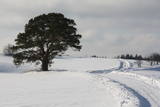 |
This is an unusually shaped pine which, according to legend, was planted by the king of Sweden during the Great Northern War.
|
|
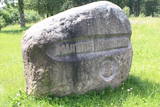 |
Noch vor kurzem befand sich das Kabinett in dem ehemaligen Haus der Einigkeit von Sauka, wo die Berufsschule von Sauka hauste. Seit 2010 ist die mit dem Kabinett verbundene Ausstellung in die Räume der Gemeindeverwaltung von Sauka nach Lone versetzt worden. Mārtiņš Buclers (1866 – 1944) war der Grundleger der lettischen Fotografie, weil er das erste Unternehmen in Lettland gegründet hat, das Filme und Fotopapier hergestellt hat. Es ist wert, die Ausstellungsgegenstände heute – in dem digitalen Fotozeitalter – zu kennenlernen! An dem Haus der Einigkeit von Sauka (zurzeit geschlossen und nur von außen zu besichtigen) kann man den Gedenkstein und das DenkmalFotografie 150 besichtigen, die Mārtiņš Buclers gewidmet sind. |
|
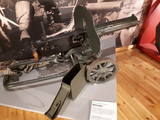 |
Ikšķiles vārds Pirmā pasaules kara laikā izskan saistībā ar diviem notikumiem – Ikšķiles priekštilta nocietinājumiem (Nāves sala) un kaujām pie Mazās Juglas upes. 1917. gadā 1. septembra rītausmā Vācijas impērijas armija uzsāka uzbrukumu iepretim Ikšķilei ar mērķi ieņemt Rīgu un saņemt gūstā Krievijas 12. armiju. Ar spēcīgu artilērijas atbalstu vācu vienības izsita Krievijas armijas karavīru daļas no Ikšķiles pozīcijām, kas savukārt ļāva Vācijas armijas karavīriem pa trim pontonu tiltiem šķērsot Daugavas upi. 1.septembra pēcpusdienā vācu izlases vienības sasniedza Mazās Juglas upes apkārtni pie Tīnūžiem, kur tām negaidīti ceļu aizšķērsoja no rezerves steigā atsauktā 8000 vīru lielā 2. latviešu strēlnieku brigāde, kura ieņēma pozīcijas gar Mazās Juglas upi. Latviešu strēlniekiem tika pavēlēts aizkavēt vācu karavīrus, līdz visa 200 00 vīru lielā Krievijas 12. armija izies no aplenkuma, nenokļūstot vācu gūstā. Latviešu strēlnieki savu uzdevumu izpildīja pilnībā, diennakti cīnoties pret gandrīz desmitkārtīgu vācu pārspēku. Kauja pie Mazās Juglas upes bija viena no traģiskākajām un reizē viena no leģendārākajām Latvijas vēstures lapaspusēm. "Tīnūžu muižā" ir izveidota 1. Pasaules kara tēmai un Juglas kaujām veltīta ekspozīcija. |
|
 |
Aktīvās atpūtas parka “Godiņu Piedzīvojumu Platforma” piedāvā organizētus pārgājienus, ejot ar kājām, braucot ar velo, nūjojot, skrienot, vienam, ar draugiem, ar ģimeni, ar kolēģiem, ar četrkājaino draugu. Venlaikus ir iespēja baudīt koka flautas brīnumainās skaņas meža ielokā un pašam izgatavot savu pūšaminstrumentu. |
|
 3 Tagen
|
This programme allows participants to learn about Latvian ethnography and traditions through meeting local craftsmen and having master classes with them in knitting traditional mittens and gloves, making amber jewellery and cooking traditional foods. There is chance to have a unique experience because of the authenticity of some places and traditions, for example the ethnographic house of living history Zvanītāji still retains its original appearance - massive ceilings, large family room with bread oven and natural, unpainted wooden floor. The carew chimney is still in the kitchen. The house is filled with characteristic looms, a family table, beds, wardrobe, cradle, various items and tools used on the farm. |
|
 |
Der höchste Punkt im Südteil von Daugavpils – in der Umgebung der 18. Novembra Straße, wo auf einem relativ kleinen Territorium, im Umkreise von ~ 0,3 km sich die Kirchen von vier Konfessionen befinden: das Bethaus für Altgläubige in Daugavpils (1908 – 1928), die St. Boris und Gleb russisch-orthodoxe Kathedrale (1905), die römisch-katholische Kirche der Heiligsten Gottesmutter (1905) und die evangelisch-lutherische Kirche Martin Luthers (1893). |
|
 |
Der Hof von Jadvyga Balvociute ist ein zertifzierter ökologischer Hersteller von Kräutertees. Besucher sind das ganze Jahr über willkommen, jedoch sind der Frühling und Sommer besser für einen Besuch geeignet. Frau Balvociute hält 45-minütige Vorträge zu Kräutern, an die sich eine 30-minütige Exkursion durch die Pflanzenkollektion im Freien anschließt. |
|


